2 citations
,
June 2025 in “Journal of Investigative Dermatology” CD8+ T cells re-expressing CD45RA may predict treatment resistance in severe alopecia areata.
6 citations
,
November 2023 in “JCI Insight” Exogenous stem cells can effectively integrate into hair follicles, promoting hair growth.
 December 2012 in “Journal of dermatological science”
 Hair follicles help attract immune cells to minor skin injuries.
23 citations
,
December 1977 in “Virchows Archiv B Cell Pathology” May 2024 in “International journal of medicine and psychology.” Monoclonal antibodies LT-1, LT-2, and LT-7 help diagnose certain blood cancers.
1 citations
,
March 2019 in “International Journal of Molecular Medicine” Mouse hair follicle cells can become heart-like cells without genetic changes.
1 citations
,
January 2020 in “Indian journal of dermatology, venereology, and leprology” CD117 and platelet-derived growth factor receptor α may play a role in alopecia areata.
 February 2024 in “Advanced Functional Materials”
 The hydrogel patch helps heal diabetic wounds by releasing a healing agent in response to harmful molecules and improving skin regeneration.
July 2025 in “Journal of Investigative Dermatology” Enhancing Tregs can protect against alopecia areata.
1 citations
,
April 2019 in “The journal of investigative dermatology/Journal of investigative dermatology” Fibroblasts and myeloid cells in mouse skin wounds are diverse and can change into different cell types during healing.
207 citations
,
July 2006 in “Development” MTS24 marks a new type of skin cell that helps hair growth and repair.
 1 citations
,
February 2025 in “Scientific Reports”
1 citations
,
February 2025 in “Scientific Reports” CD4 is crucial for maintaining skin stem cell balance and aiding wound healing.
March 2021 in “Arrow - TU Dublin (Technological University Dublin)” The folate-cyclodextrin conjugate targets cancer cells more precisely, potentially reducing chemotherapy side effects.
 12 citations
,
September 2021 in “Stem Cell Reviews and Reports”
12 citations
,
September 2021 in “Stem Cell Reviews and Reports” StemMACS media is better for growing therapeutic stem cells than PowerStem media.
June 2023 in “Zenodo (CERN European Organization for Nuclear Research)” Neutropenic patients show significant changes in immune cell types and lower neutrophil and natural killer cell percentages.

Human hair follicle stem cells improved memory and brain health in rats.
9 citations
,
December 2021 in “Journal of Cellular and Molecular Medicine” HAT-MSCs can effectively engulf harmful microbes and particles, aiding infection treatment.
33 citations
,
May 2015 in “JAMA Dermatology” Early detection of specific skin lesions can help identify Birt-Hogg-Dube syndrome and prevent serious complications.
31 citations
,
August 2000 in “Journal of Investigative Dermatology” Stem cells are key for hair follicle recovery.
2 citations
,
July 2022 in “The Kaohsiung Journal of Medical Sciences” FTY720 helps transplanted fat survive better by reducing immune rejection and improving blood vessel growth.
November 2022 in “Journal of Investigative Dermatology” NCSTN gene mutation causes abnormal skin cell differentiation and more inflammation, contributing to Hidradenitis Suppurativa.
 April 2023 in “Journal of Investigative Dermatology”
 Higher PD-1 levels are linked to fewer immune cells in hair follicles in alopecia areata.
1 citations
,
August 2023 in “Journal of Investigative Dermatology” Farudodstat may help treat alopecia areata by protecting hair follicles.
31 citations
,
June 2022 in “Stem Cell Research & Therapy” CD146 + mesenchymal stem cells are more effective for treating premature ovarian failure.
September 2025 in “PubMed” Regenerative hair transplant improves hair growth and quality using stem cells.
 11 citations
,
March 2021 in “Journal of Bioscience and Bioengineering”
11 citations
,
March 2021 in “Journal of Bioscience and Bioengineering” Adding human fat-derived stem cells to hair follicle grafts greatly increases hair growth.
 17 citations
,
November 2017 in “PLoS ONE”
17 citations
,
November 2017 in “PLoS ONE” Transplanted bone marrow cells actively move, form clusters, and grow after transplantation.
 August 2025 in “Advanced Science”
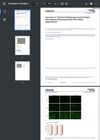
 The corrections confirm the original findings on scarless hair follicle regeneration.
52 citations
,
May 2015 in “Cytotherapy” DS-MSCs from hair follicles may improve diabetic wound healing.
 April 2017 in “Journal of Investigative Dermatology”
 Researchers improved a method to study individual cells in newborn mouse skin and found a way to assess the severity of a skin condition in humans.