5 citations
,
January 2016 in “Skin appendage disorders” Frontal fibrosing alopecia might be linked to autoimmune diseases.
66 citations
,
July 2010 in “Journal of Proteome Research” Trichohyalin may trigger the immune response causing alopecia areata.
561 citations
,
April 2003 in “Journal of Investigative Dermatology” CD34 is a marker for isolating stem-like cells in mouse hair follicles.
 1 citations
,
May 2019 in “Cytotherapy”
1 citations
,
May 2019 in “Cytotherapy” The new ddPCR method reliably detects unwanted viruses in CAR-T cell products, ensuring their safety for patients.
141 citations
,
May 2007 in “Cancer Research” CD34 is crucial for skin tumor development in mice.
November 2025 in “Journal of Investigative Dermatology” Certain CD8+ T cells attack hair follicles in alopecia areata, suggesting they could be targeted for treatment.
 March 2025 in “OncoTargets and Therapy”
 A specific genetic trait in tumor cells is linked to longer survival without disease in certain lymphoma patients.
33 citations
,
October 2006 in “European Journal of Immunology” The CD44-CD49d complex boosts T cell activation and survival in autoimmune disease.
2 citations
,
August 2016 in “Journal of Investigative Dermatology” July 2017 in “Cancer Research” Krt15+ cells in mice can resist radiation, regenerate tissue, and start tumors, suggesting new cancer treatment targets.
 21 citations
,
July 2006 in “Veterinary dermatology”
21 citations
,
July 2006 in “Veterinary dermatology” CD34 marks potential stem cells in dog hair follicles.
2 citations
,
May 2024 in “International Journal of Molecular Sciences” Targeting CD169+ skin macrophages may help treat psoriasis.
 April 2018 in “Journal of Investigative Dermatology”
 Cutaneous lupus patients have higher levels of certain immune cells in their blood and skin.
41 citations
,
April 2019 in “PLOS genetics” CD34+ and CD34- melanocyte stem cells have different regenerative abilities.
 April 2026 in “Frontiers in Cell and Developmental Biology”
 CD200- cells in hair follicles have a higher ability to regenerate hair.
May 2024 in “International journal of medicine and psychology.” Monoclonal antibodies LT-1, LT-2, and LT-7 help diagnose certain blood cancers.
 6 citations
,
January 2020 in “International journal of biological sciences”
6 citations
,
January 2020 in “International journal of biological sciences” Removing the ROBO4 gene in mice reduces skin inflammation and hair loss by affecting certain inflammation pathways and gene expression.
16 citations
,
February 2013 in “Molecular Medicine Reports” CD34+ cells from fat tissue help form hair follicles and blood vessels in skin.
30 citations
,
April 2007 in “Journal of Leukocyte Biology” Blocking CD44 can reduce leukocyte migration in autoimmune skin diseases.
 February 2011 in “Journal of Investigative Dermatology”
 New findings suggest targeting IL-23 could treat psoriasis, skin cells can adapt to new roles, direct conversion of skin cells to blood cells may aid cell therapy, removing certain tumor cells could boost cancer immunotherapy, and melanoma may have many tumorigenic cells, not just cancer stem cells.
 April 2026 in “Institutional Repositories DataBase (IRDB)”
 CD200- cells in hair follicles have a higher ability to regenerate hair.
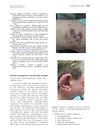
A 72-year-old man was diagnosed with a rare skin form of Rosai-Dorfman disease after years of misdiagnosis.
4 citations
,
January 2016 in “Methods in molecular biology” Hair follicle stem cells can become nerve cells using specific treatments.
 28 citations
,
January 2013 in “Stem cells”
28 citations
,
January 2013 in “Stem cells” Certain human skin cells marked by CD44 and ALDH are rich in stem cells capable of long-term skin renewal.
 1 citations
,
January 2021
1 citations
,
January 2021 CD4+ skin cells may be precursors to basal cell carcinoma.
 5 citations
,
June 1994 in “Journal of Cutaneous Pathology”
5 citations
,
June 1994 in “Journal of Cutaneous Pathology” No CD44 in alopecia areata, present in normal and androgenetic alopecia.
8 citations
,
July 2016 in “Oncotarget” Lgr5+ stem cells do not cause skin tumors.
77 citations
,
June 2002 in “Journal of Investigative Dermatology” CD44 variant changes start alopecia areata, but don't maintain it.
30 citations
,
February 2023 in “Journal of Investigative Dermatology” OX40-targeted therapies may help treat skin diseases by reducing inflammation and balancing immune responses.
4 citations
,
January 2018 in “Microscopy research” Scientists found markers called CD34 and CD200 that help identify stem cells in mouse and human hair follicles.