29 citations
,
February 2001 in “Proceedings of the National Academy of Sciences” A specific DNA region controls skin cell gene expression by working with certain proteins.
8 citations
,
July 2015 in “International Journal of Dermatology” A new DSG4 gene mutation causes hair defects in a young girl.
67 citations
,
August 2004 in “Endocrinology” A specific gene mutation causes vitamin D resistance, but certain vitamin D analogs might help.
1 citations
,
August 2015 in “PubMed” A woman with non-classic CAH had unusual heavy periods and high hormone levels, improved with treatment.
 9 citations
,
October 2022 in “Nature Communications”
9 citations
,
October 2022 in “Nature Communications” The DiLiCre mouse model is an effective tool for precise genome editing using light.
 1 citations
,
October 2025 in “Iranian journal of pharmaceutical research”
1 citations
,
October 2025 in “Iranian journal of pharmaceutical research” Geranyl acetate can protect skin cells from damage and inflammation caused by para-phenylenediamine.
43 citations
,
September 2001 in “Annals of Neurology” Hair root analysis can effectively detect somatic mosaicism in double cortex syndrome.
December 2021 in “OPAL (Open@LaTrobe) (La Trobe University)” BBS7 is crucial for maintaining healthy periodontal ligaments by supporting Shh signaling.
 39 citations
,
August 2022 in “Cell Death and Disease”
39 citations
,
August 2022 in “Cell Death and Disease” DA-MeHA hydrogel effectively aids stem cell-based skin regeneration.
 15 citations
,
November 2022 in “Cell Death and Disease”
15 citations
,
November 2022 in “Cell Death and Disease” CEP135 may predict cancer outcomes, and targeting PLK1 could help treat certain sarcomas.
2 citations
,
October 2025 in “Antimicrobial Agents and Chemotherapy” Cepharanthine can block enterovirus entry and protect against infection.
1 citations
,
October 2024 in “Medicina” CLEC4D gene variants may increase the risk of alopecia areata in Jordanians.
July 2024 in “Journal of Investigative Dermatology” November 2025 in “Animals” Exposure to certain chemicals may increase the risk of heart disease in dogs.
14 citations
,
March 2018 in “The American journal of case reports” People with the same genetic mutation for Woodhouse-Sakati syndrome can have different symptoms.
 19 citations
,
May 1984 in “Digestive diseases and sciences”
19 citations
,
May 1984 in “Digestive diseases and sciences” A young woman's Cronkhite-Canada syndrome improved on its own after she gave birth.
 7 citations
,
January 2019 in “Australasian Journal of Dermatology”
7 citations
,
January 2019 in “Australasian Journal of Dermatology” A genetic marker linked to a type of hair loss was found in most patients studied.
 21 citations
,
October 1980 in “Gastroenterology”
21 citations
,
October 1980 in “Gastroenterology” The report described a unique case of Cronkhite-Canada syndrome with unusual polyps and an association with multiple myeloma.
1 citations
,
August 2023 in “Journal of Investigative Dermatology” Farudodstat may help treat alopecia areata by protecting hair follicles.
September 2022 in “European Journal of Dermatology” Gene sequencing is essential for diagnosing Junctional epidermolysis bullosa.
 February 2025 in “Cureus”
 Early diagnosis and treatment of NCCAH can improve symptoms and fertility.
June 2025 in “Stem Cells and Cloning Advances and Applications” CFx-δ2 from stem cells helps heal burn wounds faster.
 August 2023 in “Journal of the American Academy of Dermatology”
 The letter suggests that the study's comparison group might have affected the results and calls for larger, more detailed future research.
Haircare products may expose users to harmful chemicals despite regulations.
 1 citations
,
July 2018 in “Journal of The American Academy of Dermatology”
1 citations
,
July 2018 in “Journal of The American Academy of Dermatology” Sebaceous glands are often preserved and PPARy expression is constant in some cases of Central Centrifugal Cicatricial Alopecia.
 January 2024 in “Journal of camel practice and research/Journal of Camel Practice and Research”
 Certain genetic variations in camels affect hair coarseness.
 14 citations
,
October 2003 in “Annals of Oncology”
14 citations
,
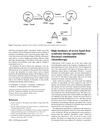
October 2003 in “Annals of Oncology” About half the patients treated with capecitabine and docetaxel developed severe hand-foot syndrome.
 8 citations
,
December 2017 in “Skin appendage disorders”
8 citations
,
December 2017 in “Skin appendage disorders” WNT7A gene expression is higher in early stages of androgenetic alopecia, showing the role of WNT pathway, apoptosis, and inflammation in the disorder.
 6 citations
,
July 2011 in “British Journal of Dermatology”
6 citations
,
July 2011 in “British Journal of Dermatology” A man with KID syndrome developed a rare cancer in a long-term skin infection.
 March 2024 in “Skin research and technology”
 High CRP levels could indicate vitamin D deficiency in people with alopecia areata.