 April 2024 in “Frontiers in pharmacology”
 Brepocitinib 30mg is most effective for moderate-to-severe alopecia areata, but ritlecitinib 50mg may offer a better balance of safety and effectiveness.
 1 citations
,
April 2018 in “The journal of investigative dermatology/Journal of investigative dermatology”
1 citations
,
April 2018 in “The journal of investigative dermatology/Journal of investigative dermatology” Topical patidegib gel effectively treats basal cell carcinoma in Gorlin syndrome patients without causing the side effects seen with oral treatments.
July 2024 in “Journal of Investigative Dermatology” DS-2325a is safe and well-tolerated, supporting further development for Netherton Syndrome treatment.
Ivarmacitinib effectively regrows hair in severe alopecia areata.
 25 citations
,
January 2011 in “Annals of Dermatology”
25 citations
,
January 2011 in “Annals of Dermatology” Erlotinib can cause hair loss as a side effect.
June 2026 in “JEADV Clinical Practice” Cemiplimab can cause alopecia areata, but it can be treated successfully.
 32 citations
,
April 2019 in “JAAD case reports”
32 citations
,
April 2019 in “JAAD case reports” JAK inhibitors helped treat hair loss in two people with Down syndrome.
1 citations
,
May 2017 in “Journal of Clinical Oncology” Topical calcitriol is safe for preventing hair loss during chemotherapy.
 March 1998 in “Journal of dermatological science”
 Diphencyprone initially increases mouse hair growth, then slows it, possibly due to changes in specific protein levels.
12 citations
,
July 2023 in “Journal of the European Academy of Dermatology and Venereology” Upadacitinib improved Crohn's disease, atopic dermatitis, and alopecia areata in one patient.
 16 citations
,
December 2012 in “Bioinformation”
16 citations
,
December 2012 in “Bioinformation” Curcumin, EGCG, barringtozenol, and finasteride are effective VEGFR inhibitors.
2 citations
,
October 2025 in “Cells” PKM2 is a promising target for heart repair and regeneration.
April 2019 in “Journal of Investigative Dermatology” Y27632 increases cell growth through EGFR signaling, not ROCK1/2.
 1 citations
,
January 2024 in “Curēus”
1 citations
,
January 2024 in “Curēus” Upadacitinib significantly improved a man's severe scalp condition when other treatments failed.
701 citations
,
August 2014 in “Nature medicine” Alopecia areata can be reversed by JAK inhibitors, promoting hair regrowth.
22 citations
,
March 1999 in “International Journal of Clinical Practice” Diphencyprone (DCP) is an effective treatment for severe alopecia areata and resistant warts, with some risks.
 November 2025 in “Cancer Management and Research”
 Targeting Keratin 17 may help overcome cancer therapy resistance.
January 2016 in “Refubium (Universitätsbibliothek der Freien Universität Berlin)” CAP7.1 is generally safe at 200 mg/m²/day, but can cause fatigue, nausea, hair loss, fever, and blood-related issues.
64 citations
,
February 2008 in “Cancer Research” Inactivating both p53 and Rb genes in mice speeds up aggressive skin cancer development.
 32 citations
,
January 2012 in “International Journal of Dermatology”
32 citations
,
January 2012 in “International Journal of Dermatology” Skin side effects from EGFR inhibitor cancer treatment can be managed effectively, often without stopping the medication.
1 citations
,
April 2023 in “Heliyon” Disitamab vedotin and gemcitabine effectively treated bladder cancer without major side effects.
 1 citations
,
May 2021 in “Scientific Reports”
1 citations
,
May 2021 in “Scientific Reports” Certain cancer drugs are strongly linked to nerve damage, requiring close monitoring and early treatment.
 12 citations
,
December 2022 in “JEADV. Journal of the European Academy of Dermatology and Venereology/Journal of the European Academy of Dermatology and Venereology”
12 citations
,
December 2022 in “JEADV. Journal of the European Academy of Dermatology and Venereology/Journal of the European Academy of Dermatology and Venereology” New oral treatments for adult hair loss show promise, especially JAK inhibitors, with mild side effects.
March 2003 in “Oncology Times” Further research is needed to develop effective cancer prevention strategies.
January 2026 in “Aging and Disease” DKK proteins could help diagnose and treat various non-cancerous diseases.
 2 citations
,
April 2022 in “Research Square (Research Square)”
2 citations
,
April 2022 in “Research Square (Research Square)” Activating PKM2 and Wnt/β-catenin signaling together can potentially enhance hair growth and could be a treatment for hair loss.
October 2025 in “Postgraduate Medical Journal” Deuruxolitinib and baricitinib are effective for treating severe alopecia areata.
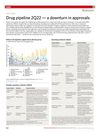 August 2022 in “Nature Biotechnology”
 Drug approvals slowed in 2Q22, but notable drugs like Amvuttra, Camzyos, and Olumiant were approved.
November 2023 in “SKIN The Journal of Cutaneous Medicine” Ritlecitinib effectively maintains hair regrowth in alopecia areata patients.
December 2025 in “The Journal of Dermatology” Ritlecitinib effectively reduces hair loss in JAK inhibitor-naïve alopecia areata patients.