January 2026 in “Clinical and Experimental Dermatology” Ruxolitinib helped a patient with alopecia areata regrow hair.
169 citations
,
September 2002 in “British journal of dermatology/British journal of dermatology, Supplement” ZD1839 (Iressa) causes skin and hair side effects, treatable with tretinoin cream and minocycline.
4 citations
,
October 2019 in “Skin Appendage Disorders” Gefitinib can cause hair and eyebrow darkening.
6 citations
,
January 2010 in “Journal of Biochemical and Molecular Toxicology” The ID2 gene can help distinguish between sensitizers and irritants in skin cells.
2 citations
,
September 2024 in “PLoS ONE” Bendamustine combined with tucidinostat may effectively treat adult T-cell leukemia.
 April 2023 in “The journal of investigative dermatology/Journal of investigative dermatology”
 The protein p21 is more abundant in normal skin cells than in melanoma cells and may help protect against melanoma, with UVB light affecting its levels.
136 citations
,
March 1998 in “Oncogene” Overexpression of E2F1 can lead to skin tumors and disrupt hair growth.
 6 citations
,
January 2019 in “Journal of dermatology”
6 citations
,
January 2019 in “Journal of dermatology” Immune checkpoint inhibitors used in cancer therapy can cause hair loss, and understanding this can help manage the side effect.
January 2011 in “Archivio Istituzionale della Ricerca (Universita Degli Studi Di Milano)” New molecules can prevent cell death in hair follicles.
 9 citations
,
January 2023 in “Dermatology and therapy”
9 citations
,
January 2023 in “Dermatology and therapy” A 14-year-old girl with severe hair loss regrew her hair using upadacitinib.
June 2026 in “DOAJ (DOAJ: Directory of Open Access Journals)” Upadacitinib effectively treated alopecia areata when other treatments failed.
19 citations
,
April 2014 in “Expert opinion on emerging drugs” New treatments for a type of skin cancer show promise but have side effects and may work better with other therapies.
November 2008 in “Cancer Prevention Research” Chemoprevention can significantly lower cancer risks and needs more research and collaboration.
Ritlecitinib helps reduce inflammation and promote hair regrowth in alopecia areata, especially in patchy-type cases.
Loss of the p53 gene alone causes tumors, and losing both p53 and Rb genes speeds up aggressive skin cancer.
2 citations
,
May 2025 in “Journal of Clinical Medicine” Upadacitinib is safe and effective for treating alopecia areata and atopic dermatitis in children.
1 citations
,
May 2024 in “Communications Biology” Dab2 protein is crucial for hair follicle stem cell renewal and preventing early aging.
 30 citations
,
August 2021 in “Oncogene”
30 citations
,
August 2021 in “Oncogene” miR-22 helps skin cancer grow and spread by activating specific cell signals.
June 2025 in “British Journal of Dermatology” Dual-targeting therapies like Janus kinase inhibitors may treat both alopecia areata and other immune diseases.
2 citations
,
May 2016 in “Journal of Clinical Oncology” Topical calcitriol may reduce hair loss from chemotherapy at higher doses.
 10 citations
,
December 2015 in “International Journal of Molecular Sciences”
10 citations
,
December 2015 in “International Journal of Molecular Sciences” PDCD4 is important for controlling skin cell growth and healing.
 9 citations
,
May 2013 in “JAMA Dermatology”
9 citations
,
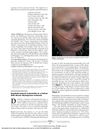
May 2013 in “JAMA Dermatology” A woman's hair turned white after taking a cancer drug called dasatinib.
 3 citations
,
April 2019 in “Journal of Dermatological Treatment”
3 citations
,
April 2019 in “Journal of Dermatological Treatment” Caffeine shows promise for treating some types of hair loss, but more research is needed.
 March 2026 in “Lithuanian University of Health Sciences”
 JAK inhibitors can effectively regrow hair in alopecia areata patients, but ongoing treatment is needed to maintain results.
3 citations
,
January 2005 in “Photochemistry and Photobiology” Protein kinase C epsilon may promote skin cancer development after UV exposure by affecting nearby cells.
24 citations
,
December 2011 in “International Journal of Cancer” PTH-CBD agonists may help regrow hair after chemotherapy.
28 citations
,
January 2005 in “Photochemistry and Photobiology” Protein kinase C epsilon may increase skin cancer risk by affecting nearby cells.
 October 2018 in “Annals of oncology”
 Topical calcitriol (BPM31543) is safe for preventing hair loss from chemotherapy and shows some effectiveness.
April 2023 in “The journal of investigative dermatology/Journal of investigative dermatology” MEF2C is crucial for normal hair cycle progression.
2 citations
,
May 2025 in “Archives of Dermatological Research” JAK inhibitors do not increase cancer risk in severe alopecia areata compared to traditional treatments.