1 citations
,
August 2019 in “Journal of Investigative Dermatology” PRDX5 enzyme may contribute to alopecia areata by affecting oxidative stress and autoimmunity.
2 citations
,
October 2023 in “PubMed” Scientists created a cell model to study and find treatments for a skin disease called RDEB.
4 citations
,
February 2025 in “Journal of Autoimmunity” Alopecia Areata often runs in families and is linked to other autoimmune conditions.
July 2026 in “Journal of the American Academy of Dermatology” Androgenetic alopecia is not linked to higher heart disease risk.
174 citations
,
July 2003 in “The Journal of Clinical Endocrinology & Metabolism” Five new mutations in the androgen receptor gene were found, helping to understand androgen insensitivity syndrome better.
7 citations
,
February 2020 in “Clinical and Experimental Dermatology” Both HLA-B and MICA are independently linked to alopecia areata.
 December 2021 in “Journal of Rheumatic Diseases”
 Early treatment of pediatric lupus-related eye issues is crucial to prevent vision loss.
 23 citations
,
October 2005 in “Journal of The American Academy of Dermatology”
23 citations
,
October 2005 in “Journal of The American Academy of Dermatology” Two transplant patients on cyclosporine unexpectedly developed hair loss.
 82 citations
,
April 2008 in “Journal of Investigative Dermatology”
82 citations
,
April 2008 in “Journal of Investigative Dermatology” EDA2R gene linked to hair loss.
 May 2024 in “Frontiers in medicine”
 A genetic mutation in the LIPH gene causes tightly curled hair that stops growing in some Japanese individuals.
50 citations
,
September 2009 in “Molecular Genetics and Metabolism” A new gene mutation causes vitamin D resistance and rickets, treatable with calcium therapy.
July 2026 in “Pediatric Allergy and Immunology”  16 citations
,
January 2015 in “Current problems in dermatology”
16 citations
,
January 2015 in “Current problems in dermatology” Alopecia Areata is an autoimmune hair loss condition that needs more research for better treatments.
 January 2020 in “Clinical Case Reports and Reviews”
 Lupus and frontal fibrosing alopecia may share a common cause.
 4 citations
,
September 2013 in “Journal of Plastic Surgery and Hand Surgery”
4 citations
,
September 2013 in “Journal of Plastic Surgery and Hand Surgery” A girl with a rare syndrome had successful hair loss treatment with no relapse after 4 years.
1 citations
,
September 2021 in “Journal of Cosmetic Dermatology” Certain gene variations may increase the risk of hair loss in Egyptians.
 May 2014 in “La Revue de médecine interne”
 Early detection and treatment of primary biliary cirrhosis and related autoimmune diseases improve outcomes.
1 citations
,
August 2015 in “AACE Clinical Case Reports” A new gene mutation causes complete androgen insensitivity in a 16-year-old with a female appearance.
6 citations
,
December 2015 in “Medicine” Cronkhite-Canada syndrome may be more treatable and less severe than previously thought.
8 citations
,
January 2013 in “International journal of trichology” Two people had unusual ring-shaped hair loss due to an autoimmune disorder.
1 citations
,
January 2024 in “Journal of the Egyptian Womenʼs Dermatologic Society” Routine eye exams may be needed for alopecia areata patients due to common eye issues.
 12 citations
,
March 2013 in “Gynecological Endocrinology”
12 citations
,
March 2013 in “Gynecological Endocrinology” The study found a significant link between the renin-angiotensin system and insulin resistance in women with polycystic ovary syndrome.
1 citations
,
August 2021 in “International Journal of General Medicine” Severe and early hair loss may indicate a higher risk of heart disease.
 20 citations
,
June 2019 in “Experimental Dermatology”
20 citations
,
June 2019 in “Experimental Dermatology” The research suggests that autophagy-related genes might play a role in causing alopecia areata.
 19 citations
,
January 2018 in “Acta dermato-venereologica”
19 citations
,
January 2018 in “Acta dermato-venereologica” People with alopecia areata have higher levels of a heart disease marker than those without hair loss.
 1 citations
,
July 2012 in “Nasza Dermatologia Online”
1 citations
,
July 2012 in “Nasza Dermatologia Online” CCCA may be caused by both hair traction and an immune response.
September 2025 in “Indian Journal of Dermatology” A Turkish woman has a hair condition caused by a LIPH gene mutation.
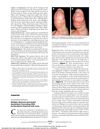 11 citations
,
December 2010 in “Archives of Dermatology”
11 citations
,
December 2010 in “Archives of Dermatology” A man with rare skin changes on his fingers was diagnosed with multiple myeloma-linked amyloidosis.
6 citations
,
May 2013 in “The Journal of Dermatology” Autoimmune reactions may cause both alopecia areata and HAM.
May 2025 in “International Journal of Dermatology” Alopecia areata patients are more likely to develop systemic lupus erythematosus.