 October 2024 in “World Journal of Psychiatry”
 Stress worsens hair loss in androgenetic alopecia.
 March 2022 in “Osaka City University (Osaka City University)”
 Ovariectomy in mice affects hair growth and skin thickness, suggesting potential for obesity treatment research.
January 2008 in “Anhui nongye kexue” Mongolia sheep hair follicles grew well in a serum-free medium for 19 days.
 10 citations
,
May 2007 in “PubMed”
10 citations
,
May 2007 in “PubMed” 1% topical minoxidil solution significantly improved hair growth in Japanese women with androgenetic alopecia, with no major side effects.

Both treatments improve hair growth, but minoxidil is cheaper.
 54 citations
,
June 1985 in “American Journal of Dermatopathology”
54 citations
,
June 1985 in “American Journal of Dermatopathology” Minoxidil helps grow longer, thicker hair in bald scalps of stumptailed macaques, and early treatment is more effective.
 3 citations
,
December 2018 in “International Journal of Biomedicine”
3 citations
,
December 2018 in “International Journal of Biomedicine” Platelet rich plasma therapy significantly improves hair growth and increases the number of hair follicles in men with androgenetic alopecia.

Stem cell therapy is more effective than minoxidil for hair growth in androgenic alopecia.
January 2007 in “동의생리병리학회지 = Journal of physiology & pathology in Korean Medicine” Biotae Orientalis extracts may help treat hair loss.
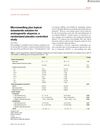 June 2022 in “Journal of The European Academy of Dermatology and Venereology”
 Microneedling with topical dutasteride improves hair growth in men with hair loss and is safe to use.
December 2018 in “Вестник Российской Военно-медицинской академии” PRP therapy significantly improves hair growth and density in men with androgenic alopecia.
173 citations
,
July 2012 in “British Journal of Dermatology” Dabrafenib can cause skin growths and sometimes low-grade skin cancer.
50 citations
,
March 1992 in “PubMed” Malnutrition causes skin changes due to nutrient deficiencies.
 April 2023 in “The journal of investigative dermatology/Journal of investigative dermatology”
 Elf5 is important for skin stem cell growth and could help treat skin and hair problems.
 108 citations
,
July 2002 in “Molecular and cellular biology”
108 citations
,
July 2002 in “Molecular and cellular biology” Overexpressing Dsg3 in mice skin causes excessive cell growth and abnormal skin development.
 43 citations
,
July 2018 in “Journal of The European Academy of Dermatology and Venereology”
43 citations
,
July 2018 in “Journal of The European Academy of Dermatology and Venereology” Finasteride and minoxidil mix works better for hair growth than minoxidil alone, with similar safety.
20 citations
,
July 2009 in “Experimental and Clinical Endocrinology & Diabetes” Cyclosporin A does not change sex hormone levels.
15 citations
,
January 2012 in “International journal of trichology” The HairCheck® device is effective for measuring hair loss and growth in people with alopecia.
8 citations
,
January 2020 in “Acta dermato-venereologica” PRP injections did not significantly improve hair growth.
1 citations
,
January 2014 Crataegus pinnatifida extract promotes hair growth in mice.
May 2026 in “Skin Appendage Disorders” Combining PRP with other treatments may improve hair growth more than PRP alone.
January 2016 in “Dermatology Online Journal” Hormonal therapy changes skin and hair in transgender patients, who need better researched dermatologic care.
November 2005 in “PubMed” The hairless gene in Kunming mice is important for hair and skin, and shows genetic variations.
December 2004 in “PLoS ONE” The Foxn1(-/-) phenotype disrupts hair growth and affects skin stem cells.
 December 1999 in “Evidence-based obstetrics and gynecology/Evidence-based obstetrics & gynecology”
 Flutamide worked better than finasteride for reducing excessive hair growth in women, but had more side effects.
May 2022 in “The Journal of Clinical Pharmacology” Metformin reduces certain hormone levels in men with early-onset hair loss.
 January 2018 in “Sohag Medical Journal”
 Combining topical dutasteride with microneedling is more effective for hair growth than microneedling alone.
3 citations
,
February 2015 in “Mechanisms of development” Hormones and stretching both needed for nipple area skin growth in mice.
 February 2024 in “Australasian journal of dermatology”
 Inflammatory acne damages skin stem cells and reduces their growth, leading to atrophic acne scars.
 June 2023 in “Acta Scientifci Nutritional Health”
 A gluten-free diet improves growth and reduces symptoms in children with celiac disease.