1 citations
,
May 2017 in “Journal of cosmetic and laser therapy” Lasers can help reduce skin side effects from cancer treatment.
27 citations
,
May 2016 in “Integrative Cancer Therapies” Chrysin makes docetaxel more effective and reduces its side effects in lung cancer treatment.
 September 2024 in “Journal of Anatomy and Histopathology”
 Miliacin helps damaged hair follicles grow new hair faster.
2 citations
,
February 2020 in “Annual Research & Review in Biology” Eruca sativa oil, Aloe vera oil, and sodium carbonate may help improve cholesterol and tumor markers in breast cancer treatment.
 20 citations
,
September 1978 in “International Journal of Dermatology”
20 citations
,
September 1978 in “International Journal of Dermatology” Hair growth is influenced by factors like genetics and nutrition, and more research is needed to understand hair loss and growth mechanisms.
 February 2026 in “Scientific Reports”
 The gel is safe and effective for treating oral mucositis from chemotherapy and radiation.
January 2018 in “Refubium (Universitätsbibliothek der Freien Universität Berlin)” Chemotherapy causes temporary hair loss in women, while Tamoxifen does not significantly affect hair, and genetics show no link between female pattern hair loss and common baldness genes.
 April 2017 in “Journal of Investigative Dermatology”
 Chemotherapy and radiation therapy cause skin and hair damage by altering gene expression and signaling pathways.
 9 citations
,
October 2011 in “Journal of proteomics”
9 citations
,
October 2011 in “Journal of proteomics” Taxol damages hair growth cells, causing hair loss.
 July 2022 in “Research Square (Research Square)”
 Huaier helps hair grow back and repairs tissue after cancer treatment.
 59 citations
,
April 2016 in “Breast Cancer Research and Treatment”
59 citations
,
April 2016 in “Breast Cancer Research and Treatment” Targeting vitamin D and androgen receptors may effectively treat triple-negative breast cancer, especially with chemotherapy.
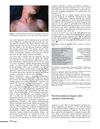
A boy on a ketogenic diet and anti-epileptic drugs developed skin issues due to stopping vitamin supplements, which improved with proper supplementation.
 January 1991 in “Journal of Pediatric Health Care”
 Hair loss in children can be caused by fungal infections, trauma, autoimmune disorders, or stress, and treatments vary depending on the cause.
24 citations
,
February 1986 in “Cancer” A pancreatic tumor caused high glucagon levels and symptoms, but treatment reduced glucagon and shrank liver tumors.
 April 2015 in “Andrology”
 HNG may help prevent the negative effects of chemotherapy on sperm production and white blood cell counts.
114 citations
,
October 1996 in “Dermatologic clinics” Hair loss is mainly caused by hormones, autoimmune issues, and chemotherapy, and needs more research for treatments.
 5 citations
,
June 2022 in “Frontiers in Endocrinology”
5 citations
,
June 2022 in “Frontiers in Endocrinology” Research from 2011 to 2020 shows androgen receptors could be key for prognosis and treatment in certain breast cancers.
 172 citations
,
November 1983 in “Journal of The American Academy of Dermatology”
172 citations
,
November 1983 in “Journal of The American Academy of Dermatology” Chemotherapy can cause skin problems like hair loss, mouth sores, and skin darkening, and recognizing these can affect treatment decisions.
2 citations
,
December 2020 in “Developmental cell” Chemotherapy drugs can cause abnormal growth and changes in healthy skin and gland cells.
Minoxidil and a solvent mixture can prevent hair loss caused by chemotherapy in mice.
52 citations
,
November 2013 in “Journal of Pain and Symptom Management” Cryotherapy helps reduce chemotherapy side effects but needs more research for best use.
 January 2016 in “대한피부과학회지”
 Bortezomib chemotherapy can cause temporary skin rashes.
 2 citations
,
January 2025 in “Сибирский научный медицинский журнал”
2 citations
,
January 2025 in “Сибирский научный медицинский журнал” TS-13 effectively stops tumor growth and reduces chemotherapy side effects.
1 citations
,
January 2023 in “Indian Dermatology Online Journal” Skin and nail changes are common in patients with blood cancers undergoing chemotherapy, affecting their quality of life.
 February 2023 in “Journal of Korean Medical Association”
 Targeted cancer therapies can cause new side effects, requiring careful monitoring and management to ensure patient safety.
 88 citations
,
July 2014 in “Journal of the American Academy of Dermatology”
88 citations
,
July 2014 in “Journal of the American Academy of Dermatology” Targeted cancer therapies often cause skin reactions, so dermatologists must manage these effects.
19 citations
,
March 2022 in “Molecular therapy. Nucleic acids” A specific RNA, circNlgn, contributes to heart damage and scarring caused by the cancer drug doxorubicin.
 5 citations
,
June 2001 in “Annals of Internal Medicine”
5 citations
,
June 2001 in “Annals of Internal Medicine” Rituximab effectively treated a woman's bone lymphoma that was resistant to other treatments.
 50 citations
,
February 2018 in “Biomedicine & pharmacotherapy”
50 citations
,
February 2018 in “Biomedicine & pharmacotherapy” Ginseng may help treat cancer and reduce treatment side effects, but more research is needed.
3 citations
,
April 2021 in “Oncology Times” Trodelvy™ helped some patients with advanced breast cancer, but had side effects.