Post-earthquake, skin issues like dermatitis and infections were common due to trauma, disinfectants, and stress.
 February 2026 in “International Journal of Basic & Clinical Pharmacology”
 Cosmetovigilance and clinical pharmacists can enhance safety in cosmetic treatments, especially for those with diabetes.
 January 2026 in “Bandung Conference Series Medical Science”
 Wearing a hijab does not cause hair loss.
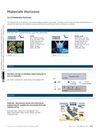 January 2026 in “Materials Horizons”
  December 2025 in “IP Indian Journal of Clinical and Experimental Dermatology”
 DNCB is more effective than betamethasone for hair regrowth but has more side effects.
 December 2025 in “Cureus”
 Low serum ferritin is linked to hair loss in women.
 December 2025 in “Cureus”
 Higher IL-17A and IL-23 levels are linked to alopecia areata severity and could help in tracking and treating the disease.
 November 2025 in “International Journal of Pharmaceutical Sciences and Drug Research”
 Thyroid disorders significantly affect the well-being of married, urban, non-working individuals in South India.
 November 2025 in “Molecular and Cellular Biomedical Sciences”
 There is no significant link between the MMP-1 rs1799750 polymorphism and androgenetic alopecia in the Indonesian population.
 October 2025 in “Pakistan Journal of Health Sciences”
 Low serum ferritin is linked to hair loss in women.
 October 2025 in “Journal of Skin and Sexually Transmitted Diseases”
 Alopecia areata patients often have undetected thyroid issues, so routine thyroid screening is recommended.
 October 2025 in “International Journal of Reproduction Contraception Obstetrics and Gynecology”
 The combined therapy improved fertility in women with PCOS, especially in certain types.
 October 2025 in “Journal of Bahria University Medical and Dental College”
 Free testosterone is the most common hormone marker in PCOS, and age affects DHEAS levels.
 September 2025 in “Dicle Medical Journal / Dicle Tip Dergisi”
 Skin issues are common in people with neurodegenerative diseases.
 August 2025 in “International Journal of Research in Dermatology”
 Better standardization and transparency in statistical reporting are needed to improve hair care research quality.
 July 2025 in “Frontiers in Medicine”
 Topical immunotherapy can help with severe hair loss, but results vary and need personalized, long-term treatment.
 July 2025 in “Pakistan Journal of Intensive Care Medicine”
 Clobetasol propionate 0.05% ointment is more effective than tacrolimus 0.1% ointment for treating alopecia areata.
 July 2025 in “Health Sciences”
 A 7-year-old girl with non-scarring alopecia will have hair follicle transplantation to improve her quality of life.
 June 2025 in “International Journal of Clinical Medical Research”
  April 2025 in “International Journal of Multidisciplinary Research in Science, Engineering and Technology.”
 Improved care and timely diagnosis are needed for women with PCOD and PCOS, and CystaCare can help.

Survivors of severe COVID-19 need ongoing care to manage lasting health issues.
 January 2025 in “Advances in Clinical Medicine”
 Traditional Chinese medicine external treatments may help manage Hashimoto thyroiditis.
 January 2025 in “Journal of Rawalpindi Medical College”
 Alopecia Areata affects both genders almost equally, mostly on the scalp, with common signs like yellow dots and exclamation mark hairs, especially in young people.
 December 2024 in “Journal of Neonatal Surgery”
 Hormonal imbalances, especially high androgen levels and insulin resistance, are linked to worse acne in adult women.
 November 2024 in “Cureus”
 Many female medical students in Saudi Arabia show signs of insulin resistance linked to increased waist size.
 September 2024 in “Cureus”
 Early detection and targeted management are crucial for better outcomes in systemic lupus erythematosus.
 May 2024 in “International journal of research in dermatology”
 Low vitamin D levels are linked to increased risk of male pattern baldness.
 March 2024 in “Sudan Journal of Medical Sciences”
 Many doctors lack knowledge about COVID-19 skin symptoms and need better education and guidelines.
 December 2023 in “International journal of research in dermatology”
 Most pregnant women experience common skin changes like linea nigra and stretch marks.

Stress significantly contributes to hair loss, especially in women and those aged 31-40.