10 citations
,
August 2022 in “JAAD Case Reports” Oral tofacitinib effectively regrows hair in children with alopecia areata without major side effects.
 9 citations
,
August 2014 in “Archivos Argentinos de Pediatria”
9 citations
,
August 2014 in “Archivos Argentinos de Pediatria” Viral warts are common in children, so prevention against HPV is important.
 8 citations
,
May 2010 in “Dermatologic clinics”
8 citations
,
May 2010 in “Dermatologic clinics” New treatments for skin conditions in children include a preferred drug for birthmark reduction, proactive creams for eczema and vitiligo, a safe psoriasis medication, and special tissues and socks for eczema and fungal infections.
 8 citations
,
January 2008 in “Pediatric dermatology”
8 citations
,
January 2008 in “Pediatric dermatology” Hair gels may cause split ends in children.
8 citations
,
May 2004 in “Anais Brasileiros de Dermatologia” Allergic skin issues are most common in children, and understanding these problems should be prioritized.

The manual helps doctors identify children's skin problems using photos and simple methods.
 6 citations
,
January 2016 in “Annals of Dermatology”
6 citations
,
January 2016 in “Annals of Dermatology” Human hair contains more glycosaminoglycans in children than adults, and these compounds decrease with age, possibly affecting hair thickness.
5 citations
,
July 2024 in “Pediatric Dermatology” Dupilumab effectively reduces alopecia areata symptoms in children with atopic dermatitis.
5 citations
,
November 2021 in “Pediatrics in review” The document concludes that thyroid disorders in children require specific treatments and monitoring, and educational resources are available for further information.
 5 citations
,
December 1964 in “Australasian journal of dermatology”
5 citations
,
December 1964 in “Australasian journal of dermatology” Congenital atrichia is a rare condition where children are born without hair, and treatment is often ineffective.
3 citations
,
July 2025 in “British Journal of Dermatology” Cinainu is effective and safe for treating children's alopecia areata.
3 citations
,
June 2025 in “Archives of Dermatological Research” Stopping TNFα inhibitors can help children regrow hair lost due to the medication.
 2 citations
,
April 2022 in “Cutaneous and Ocular Toxicology”
2 citations
,
April 2022 in “Cutaneous and Ocular Toxicology” Tofacitinib may help treat hair loss in children with alopecia areata.
 2 citations
,
January 2017 in “Springer eBooks”
2 citations
,
January 2017 in “Springer eBooks” The book is a detailed guide on children's skin disorders, their causes, and diagnosis, with many images for medical professionals.
 2 citations
,
December 1997 in “Journal of The American Academy of Dermatology”
2 citations
,
December 1997 in “Journal of The American Academy of Dermatology” The document concludes that doctors should monitor children's brain development when treating hemangiomas with interferon alfa and consider stopping the treatment if problems arise, while also exploring drugs that might counteract side effects.
 1 citations
,
September 2024 in “Indian Journal of Postgraduate Dermatology”
1 citations
,
September 2024 in “Indian Journal of Postgraduate Dermatology” Trichoscopy effectively diagnoses temporal triangular alopecia in children.
1 citations
,
May 2024 in “Journal of Investigative Dermatology” African American adults and non-White children experience more hair loss episodes than White patients with alopecia areata.
 1 citations
,
October 2023 in “Journal of the Pakistan Medical Association”
1 citations
,
October 2023 in “Journal of the Pakistan Medical Association” Folliculotropic mycosis fungoides can occur in children and is diagnosed with specific tests, but often stays in early stages with treatment.
 1 citations
,
October 2022 in “Rheumatology”
1 citations
,
October 2022 in “Rheumatology” RHUPUS should be considered in children with deforming arthritis.
 1 citations
,
June 2022 in “Journal of Paediatrics and Child Health”
1 citations
,
June 2022 in “Journal of Paediatrics and Child Health” Young adults who had liver disease as children often experience significant health problems and frequently need transplants.
1 citations
,
October 2010 in “Pediatrics in review” Early diagnosis of malabsorptive disorders in children is crucial to prevent long-term malnutrition.
1 citations
,
December 1982 in “PubMed” Sodium valproate effectively reduces seizures in children with epilepsy, especially in primary generalized cases.
 June 2026 in “Scholarly review .”
 Endocrine-disrupting chemicals cause irreversible harm to children's development, increasing disease risk.
 March 2026 in “Mendeley Data”
 Janus kinase inhibitors can help children with alopecia areata regrow hair but may have some risks.
 February 2026 in “Reports — Medical Cases Images and Videos”
 Upadacitinib may help regrow hair in children with alopecia areata and is generally safe.
February 2026 in “Cureus” Crisaborole may help regrow hair in children with alopecia areata.
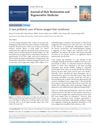
Loose anagen hair syndrome in children may improve with age, but treatment results vary.
January 2026 in “Neuroscience Applied” Hair cortisol levels decrease as children age, stabilizing around age 4.
January 2026 in “Indian Journal of Ophthalmology - Case Reports” Trichilemmal cysts can appear on children's eyelids and may be mistaken for other conditions.
January 2026 in “Indian Journal of Paediatric Dermatology” Trichoscopy effectively diagnoses and monitors treatment in children with tinea capitis.