 June 2023 in “International Journal of Clinical Research and Reports”
 Method B with propylene glycol is better for stable low-concentration DPCP solutions for alopecia areata.
Cicatricial alopecia can progress to complete hair loss, making diagnosis and management difficult.
January 2005 in “Digest of the World Core Medical Journals” Oral zinc gluconate and topical steroids significantly improved a rare scalp condition in three elderly patients.
69 citations
,
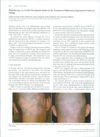
February 1987 in “Archives of Dermatology” Topical cyclosporine lotion led to hair regrowth in a man with alopecia universalis.
 10 citations
,
January 2010 in “Acta dermato-venereologica”
10 citations
,
January 2010 in “Acta dermato-venereologica” Light therapy can effectively treat vitiligo and hair loss caused by a specific medication.
1 citations
,
December 2022 in “Bioactive Materials” The microneedle patch with quercetin, zinc, and copper effectively promotes hair regrowth for androgenic alopecia.
 March 2016 in “Reactions Weekly”
 A woman experienced hair loss, nail changes, bone marrow suppression, and low blood protein after taking azathioprine.
October 2017 in “Our Dermatology Online” DCP in isopropanol is better tolerated for treating alopecia areata.
 10 citations
,
January 2018 in “Postępy Dermatologii i Alergologii”
10 citations
,
January 2018 in “Postępy Dermatologii i Alergologii” Treating alopecia areata every 3 weeks with diphenylcyclopropenone is more effective than weekly treatments.
5 citations
,
January 2020 in “Veterinary Dermatology” Enilconazole and lime sulfur work well for whole body treatment, while other products need frequent application for effective antifungal action.
July 2026 in “Journal of the American Academy of Dermatology” 21 citations
,
August 1984 in “BJOG An International Journal of Obstetrics & Gynaecology” Ovarian function was similar in both treatment groups, but both caused excessive hair growth.
3 citations
,
July 2023 in “International Journal of Trichology” DPCP can help regrow hair in some people with severe alopecia.
3 citations
,
January 1990 in “Cancer chemotherapy and pharmacology” Topical thiols may prevent hair loss caused by certain chemotherapy drugs.
26 citations
,
July 1992 in “International Journal of Dermatology” Oral cyclosporine A and prednisolone effectively improved alopecia universalis without side effects.
June 2015 in “Reactions weekly” December 2012 in “Reactions weekly” 2 citations
,
January 2024 in “Journal of the American Academy of Dermatology” Treating primary cicatricial alopecia is difficult and requires evidence-based methods.
 January 2022 in “Clinical Cases in Dermatology”
 A 62-year-old woman with hair loss and scalp itching was diagnosed with lichen planopilaris, treated initially with topical corticosteroids, and other possible treatments include systemic steroids, antimalarials, and more.
October 2025 in “Indian Journal of Paediatric Dermatology” Zinc treatment improved skin and hair issues in a boy with a zinc-related condition.
16 citations
,
January 2000 in “Journal of dermatological treatment” Calcipotriol scalp solution works better than coal tar shampoo for treating scalp psoriasis and is safe for long-term use.
 12 citations
,
August 2020 in “JEADV. Journal of the European Academy of Dermatology and Venereology/Journal of the European Academy of Dermatology and Venereology”
12 citations
,
August 2020 in “JEADV. Journal of the European Academy of Dermatology and Venereology/Journal of the European Academy of Dermatology and Venereology” Azathioprine is the most continued treatment for chronic alopecia areata over a year, often with added low-dose prednisolone.
 March 2022 in “International Journal of Health Sciences”
 Pentoxifylline helps hair regrowth in rats with hair loss.
9 citations
,
December 1987 in “European journal of endocrinology” The treatment significantly reduced hair growth and male hormone levels in hirsute women.
58 citations
,
January 2015 in “Journal of the American Academy of Dermatology” Pioglitazone may help treat lichen planopilaris, but more research is needed.
11 citations
,
April 2017 in “Journal of research in pharmacy practice” The combination of zinc sulfate and calcium pantothenate effectively controls early-stage hair loss.
 33 citations
,
October 2013 in “Journal of The American Academy of Dermatology”
33 citations
,
October 2013 in “Journal of The American Academy of Dermatology” Pioglitazone usually doesn't effectively treat or cure lichen planopilaris.
 2 citations
,
November 1990 in “International Journal of Dermatology”
2 citations
,
November 1990 in “International Journal of Dermatology” Albendazole can cause hair loss, and piroxicam can cause fixed drug eruption.
1 citations
,
August 1983 in “British Journal of Dermatology”