 January 2024 in “Editora In Vivo eBooks”
 Dogs can transmit a parasite to humans, especially affecting those with weak immune systems, so early diagnosis and treatment are crucial.
 January 2024 in “Editora In Vivo eBooks”
 Illegal cattle slaughter in Brazil poses health risks and violates laws.
 January 2024 in “Editora In Vivo eBooks”
 H5N1 avian flu poses risks to birds and humans, requiring strict biosecurity measures.
 January 2024 in “Editora In Vivo eBooks”
 Laser therapy helps relieve pain and improve life quality in small animals with osteoarthritis.
 January 2024 in “Editora In Vivo eBooks”
 Veterinarians are essential for ensuring animal welfare and safe meat products in Brazil.
 January 2024 in “Editora In Vivo eBooks”
 Cryptosporidiosis in dogs can spread to humans, so prevention is crucial.
 January 2024 in “Editora In Vivo eBooks”
 Giardiasis in dogs poses a public health risk, requiring better diagnosis, treatment, and sanitation.

Ca²⁺-mediated protein citrullination controls cell growth in the CNS and may help treat brain tumors.
 July 2022 in “The journal of investigative dermatology/Journal of investigative dermatology”
 MPZL3 is important for controlling the hair growth cycle in mice and humans.
 65 citations
,
June 2003 in “EMBO journal”
65 citations
,
June 2003 in “EMBO journal” Noggin overexpression delays eyelid opening by affecting cell death and skin cell development.
April 2025 in “Journal of Diabetes & Metabolic Disorders” Monitoring TGF-β and linc-PINT expression may help identify and treat high-risk heart arrhythmia patients.
3 citations
,
April 2018 in “Journal of Investigative Dermatology” CCCA may be a fibroproliferative disorder, and anti-fibrotic therapies could help.
387 citations
,
November 2003 in “Journal of Investigative Dermatology” The K15 promoter effectively targets stem cells in the hair follicle bulge.
20 citations
,
October 1995 in “Biochimica et Biophysica Acta (BBA) - Gene Structure and Expression” hHb1, hHb3, and hHb6 mRNAs start expressing at the same time in hair follicles.
7 citations
,
April 1996 in “British Journal of Dermatology” Hair structural proteins are synthesized sequentially in specific cells, offering a new way to study hair proteins and defects.
79 citations
,
February 2009 in “Human Genetics”  1 citations
,
August 2024 in “Transgenic Research”
1 citations
,
August 2024 in “Transgenic Research” Activated β-catenin affects hair growth and skin thickness, and changes are reversible.
2 citations
,
September 2004 in “Experimental Dermatology” Desmosomal adhesion is essential for healthy skin structure and function.
6 citations
,
January 2014 in “Genetics and Molecular Research” The method successfully created stable transfection donor cells for goat hair follicle research.
11 citations
,
July 2022 in “Frontiers in Immunology” Four specific genes are linked to keloid formation and could be potential treatment targets.
14 citations
,
September 1999 in “Journal of Investigative Dermatology” Lack of TrkC receptor delays hair follicle development.
 1 citations
,
October 2012 in “The Journal of Dermatology”
1 citations
,
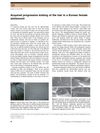
October 2012 in “The Journal of Dermatology” A Korean girl developed kinky hair without known cause or effective treatment.
 64 citations
,
January 2010 in “The FASEB Journal”
64 citations
,
January 2010 in “The FASEB Journal” Prolactin affects the production of different keratins in human hair, which could lead to new treatments for skin and hair disorders.
January 2026 in “Human Mutation” T cell subsets are crucial in kidney cancer, and a new model predicts patient outcomes using key genes.
3 citations
,
October 2024 in “International Journal of Molecular Sciences” CRET therapy affects inflammation in skin cells by changing cytokine levels and activating certain proteins.
 28 citations
,
December 2011 in “Biocatalysis and biotransformation”
28 citations
,
December 2011 in “Biocatalysis and biotransformation” PDI helps restore over-bleached hair's strength and structure by attaching special peptides.
Mutations in the PADI3 gene may cause central centrifugal cicatricial alopecia in women of African ancestry.
372 citations
,
December 2004 in “Nature Genetics”  April 2023 in “Journal of Investigative Dermatology”
 Autophagy is important for determining the protein makeup of hair.
4 citations
,
March 2024 in “Journal of Investigative Dermatology” SPRY1 deficiency in skin cells causes stem cells to move to the skin surface, leading to increased pigmentation.