1 citations
,
October 2024 in “The American Journal of Gastroenterology” Switching from infliximab to Ustekinumab improved both hair loss and Crohn's symptoms in the patient.
 1 citations
,
December 2022 in “Life”
1 citations
,
December 2022 in “Life” Topical corticosteroids are the main treatment for Erosive Pustular Dermatosis, but recurrence is common after stopping treatment.
1 citations
,
May 2022 in “Journal of Drugs in Dermatology” Low-dose naltrexone and platelet-rich plasma can regrow hair in lichen planopilaris.
 1 citations
,
July 2020 in “Journal of cosmetic dermatology”
1 citations
,
July 2020 in “Journal of cosmetic dermatology” A woman on immunosuppressants developed two rare scalp conditions, which improved with specific treatments.
 1 citations
,
April 2020 in “Baylor University Medical Center Proceedings”
1 citations
,
April 2020 in “Baylor University Medical Center Proceedings” Microneedling with triamcinolone helps hair regrowth in ophiasis alopecia areata.
 1 citations
,
March 2020 in “Australasian Journal of Dermatology”
1 citations
,
March 2020 in “Australasian Journal of Dermatology” The paper concludes that recognizing bitemporal alopecia areata is important for early treatment and preventing its progression.
 1 citations
,
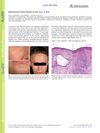
January 2019 in “Acta dermato-venereologica”
1 citations
,
January 2019 in “Acta dermato-venereologica” The woman's skin and hair symptoms were confirmed as frontal fibrosing alopecia, and while facial papules are common in such cases, there's no effective local treatment, but systemic treatments can help.
 1 citations
,
January 2019 in “Skin appendage disorders”
1 citations
,
January 2019 in “Skin appendage disorders” A woman's sudden hair loss three years after a bone marrow transplant was a sign of chronic graft-versus-host disease but improved with treatment.
1 citations
,
February 2025 in “International Journal of Dermatology” Abrocitinib may effectively treat Lichen Planopilaris.
1 citations
,
April 2022 in “Clinical Cosmetic and Investigational Dermatology” Topical treatment improved rare scalp lichen amyloidosis.
 1 citations
,
April 2017 in “Journal of Investigative Dermatology”
1 citations
,
April 2017 in “Journal of Investigative Dermatology” Topical glucocorticoids thin the skin and change collagen structure.
 1 citations
,
April 2016 in “Journal of The American Academy of Dermatology”
1 citations
,
April 2016 in “Journal of The American Academy of Dermatology” People with allergies or high eosinophil levels have a higher chance of severe hair loss from alopecia areata, and sudden hair loss can indicate chronic graft-versus-host disease.
 1 citations
,
October 2015 in “The American journal of gastroenterology”
1 citations
,
October 2015 in “The American journal of gastroenterology” Stopping infliximab and using strong topical steroids can regrow hair lost due to psoriasiform alopecia.
 February 2026 in “Cureus”
 Trichoscopy helps correctly diagnose alopecia areata, not syphilitic alopecia, in patients with recent syphilis.
January 2026 in “Dermatologic Therapy” APCs may improve hair density in cicatricial alopecia but effects may not last long.
November 2025 in “Pediatric Dermatology” The boy's hair fully regrew after treatment for a rare hair loss condition.
 August 2025 in “Medical Scope Journal”
 The treatment improved hair growth and reduced scalp symptoms.
 July 2025 in “Journal of Dermatology Research Reviews & Reports”
 A 10-year-old girl with hair and eyelash loss showed significant regrowth after treatment.
 July 2025 in “JAAD Case Reports”
 A thorough assessment and combined treatment are crucial for managing complex alopecia, especially in patients with skin of color.
February 2025 in “JEADV Clinical Practice” A rare autoimmune disease caused the woman's scalp blisters and hair loss, successfully treated with medication.
January 2025 in “Indian Dermatology Online Journal” Hydroxychloroquine may cause nail discoloration in lupus patients.

Tumid lupus erythematosus can cause non-scarring hair loss on the scalp and requires careful diagnosis.
 November 2024 in “Medicina”
 Recognizing scalp symptoms in PRP is crucial for proper diagnosis and treatment.
The C-CAT tool helps assess and improve treatment for central centrifugal cicatricial alopecia.
 July 2024 in “Medical alphabet”
 Betamethasone injections are more effective than Clobetasol for treating alopecia areata in children.
 April 2024 in “Oral Surgery Oral Medicine Oral Pathology and Oral Radiology”
 The patient was diagnosed with oral lichen sclerosus and needs long-term monitoring.
 March 2024 in “Journal of cosmetic dermatology”
 Platelet-rich plasma (PRP) is an effective treatment for lichen planopilaris.
 June 2023 in “JAAD case reports”
 A rare scalp condition, cutis verticis gyrata, was found in a woman with primary scarring alopecia.
January 2023 in “Figshare” Triple therapy with clobetasol, hydroxychloroquine, and N-acetylcysteine is recommended for better outcomes in treating lichen planopilaris.
The dog fully recovered and regrew hair after a combination of topical and oral treatments.