 January 2017 in “Springer eBooks”
 The document concludes that Cutaneous Lupus Erythematosus has different forms, is influenced by genetic and environmental factors, and can be treated with various medications, but more targeted therapies are needed.
3 citations
,
April 2018 in “Journal of Investigative Dermatology” CCCA may be a fibroproliferative disorder, and anti-fibrotic therapies could help.
5 citations
,
June 2015 in “The Journal of Dermatology” HTLV-1-associated lichenoid dermatitis (HALD) is linked to an immune response against HTLV-1-infected cells.
February 2026 in “ACS Applied Materials & Interfaces” Carbon dots from Cinnamomum burmannii leaves can promote hair growth and regeneration.
 59 citations
,
January 2010 in “International Journal of Pediatric Endocrinology”
59 citations
,
January 2010 in “International Journal of Pediatric Endocrinology” NonClassic Congenital Adrenal Hyperplasia is a less severe form of a genetic disorder affecting adrenal gland function.
6 citations
,
May 2002 in “British journal of dermatology/British journal of dermatology, Supplement” A rare skin condition linked to leukemia improved with chemotherapy.
3 citations
,
October 2024 in “All Life” New treatments targeting genetic mutations in lung cancer are needed for better outcomes.
 64 citations
,
June 2014 in “Journal of The American Academy of Dermatology”
64 citations
,
June 2014 in “Journal of The American Academy of Dermatology” Researchers found a white halo around hair in most patients with a specific type of hair loss, which helps in early diagnosis and treatment.
28 citations
,
September 2014 in “Journal of Veterinary Internal Medicine” VDC-1101 shows potential as a treatment for canine cutaneous T-cell lymphoma.
1 citations
,
September 2024 in “Porto Biomedical Journal” Early and accurate diagnosis of primary vitreoretinal lymphoma is crucial to prevent serious complications.
 6 citations
,
July 2019 in “Experimental Dermatology”
6 citations
,
July 2019 in “Experimental Dermatology” Skin can produce blood cells, often due to disease, which might lead to new treatments for skin and blood conditions.
 April 2023 in “Authorea (Authorea)”
 A young woman with a rare skin cancer was diagnosed late because her symptoms were unusual for the disease.
17 citations
,
October 2001 in “British Journal of Ophthalmology” Intralesional cidofovir might be a good alternative treatment.

Excluding alopecia and mucous membrane components from the CLASI-A score reduces its effectiveness in capturing important disease activity.
14 citations
,
February 2003 in “Journal of the American Academy of Dermatology” Folliculotropic mycosis fungoides can affect the central nervous system in advanced stages.
October 1993 in “The Journal of Clinical Pharmacology” 1 citations
,
July 2017 in “PubMed” Two patients with Cronkhite-Canada syndrome achieved remission after treatment.
2 citations
,
January 2022 in “The Application of Clinical Genetics” A young Russian girl with Meier-Gorlin syndrome has two new mutations in the CDC6 gene.
 3 citations
,
July 2019 in “Supportive Care in Cancer”
3 citations
,
July 2019 in “Supportive Care in Cancer” The lotion CG428 did not show effectiveness in treating permanent hair loss in breast cancer survivors.
 March 2026 in “SKIN The Journal of Cutaneous Medicine”
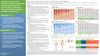
 All parts of the CLASI-A score are important for assessing skin activity in cutaneous lupus erythematosus.
 September 2024 in “Portuguese Journal of Dermatology and Venereology”
 CCCA and LPP may be related hair loss conditions influenced by genetics and environment, needing early treatment.
10 citations
,
November 2018 in “bioRxiv (Cold Spring Harbor Laboratory)” New laser particles can track thousands of cells in 3D models, improving single-cell analysis.
 1 citations
,
February 2015 in “Clinical and Experimental Dermatology”
1 citations
,
February 2015 in “Clinical and Experimental Dermatology” A man got six skin cancers within a year after a cell transplant for leukemia but was cancer-free 32 months later; skin checks are important post-transplant.
 12 citations
,
December 2002 in “Archives of Dermatology”
12 citations
,
December 2002 in “Archives of Dermatology” Sweet syndrome can be the only sign of hairy cell leukemia relapse.
November 2019 in “European journal of internal medicine” A Laotian man with unusual skin changes and multiple growths in his gut was diagnosed with Cronkhite-Canada Syndrome and improved with nutritional and immune-based treatments.
1 citations
,
May 2025 in “BMC Cancer” CDK4/6 inhibitors affect safety and quality of life differently, requiring careful use.
5 citations
,
April 2023 in “Life” CCCA affects adolescents too, with genetic and environmental links, requiring careful diagnosis.
26 citations
,
May 2019 in “Journal of Multidisciplinary Healthcare” A multidisciplinary approach is essential for effectively managing cutaneous lupus erythematosus.
 7 citations
,
November 2007 in “Annales de Dermatologie et de Vénéréologie”
7 citations
,
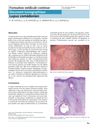
November 2007 in “Annales de Dermatologie et de Vénéréologie” A man was diagnosed with a rare form of lupus after showing unique skin symptoms that responded well to treatment.
September 2024 in “Dermatologica Sinica” Early and accurate diagnosis of congenital smooth muscle hamartomas is crucial to distinguish them from other conditions.