8 citations
,
January 2018 in “Journal of cosmetic dermatology” Conditioners in hair dye reduce damage and improve combability.
17 citations
,
October 2023 in “Science Progress” Polycaprolactone and barium titanate composites show promise for use in biomedical applications.
January 2024 in “World Congress on Medical Physics and Biomedical Engineering, September 7 - 12, 2009, Munich, Germany” Polisorbate 20 is not suitable for curl creams due to instability.
5 citations
,
October 2007 in “PubMed” Amino acids in conditioners improve hair strength, hydration, and color retention.
 May 2024 in “International Journal of Nanomedicine”
 Biodegradable polymers can improve cannabinoid delivery but need more clinical trials.

New hydrogel sensors can be quickly made and customized for wearable devices.
 March 2026 in “Collagen and Leather”
 The hydrogel speeds up wound healing and fights bacteria, making it great for emergency use.
January 2018 in “Refubium (Universitätsbibliothek der Freien Universität Berlin)” New nanocarriers were developed for safer, targeted drug delivery and diagnostics, showing promise for future medical use.
January 2001 in “China Surfactant Detergent & Cosmetics” Both conditioners help protect hair from perm damage, but their effectiveness varies.
73 citations
,
February 2023 in “Polymers” Peptide hydrogels are promising for drug delivery and tissue repair in medicine.
29 citations
,
August 2011 in “PubMed” Polymeric pretreatments can significantly reduce hair breakage and damage from hot flat irons.
 October 2025 in “Advanced Healthcare Materials”
 The hydrogels improve wound healing and tissue regeneration better than traditional treatments.
Self-assembling peptide hydrogels effectively deliver drugs locally, enhancing treatment and reducing side effects.
January 2016 in “Frontiers in Bioengineering and Biotechnology” Keratin-based hydrogels can be improved for medical use by adding PEG, making them more soluble and adjustable.
 41 citations
,
October 2000 in “Dermatologic clinics”
41 citations
,
October 2000 in “Dermatologic clinics” Better hair care products are needed to protect against grooming and chemical damage.
 11 citations
,
January 2006 in “International Journal of Cosmetic Science”
11 citations
,
January 2006 in “International Journal of Cosmetic Science” Some oils can penetrate hair and reduce the stickiness between fibers, but mineral oil cannot.
 2 citations
,
June 2018 in “Clinical and Experimental Dermatology”
2 citations
,
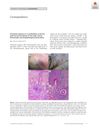
June 2018 in “Clinical and Experimental Dermatology” Permanent hair loss after a stem cell transplant can be a sign of chronic immune system attack on the scalp.
July 2023 in “Nature Reviews Chemistry” A new method strengthens hair without using harmful chemicals.
19 citations
,
July 2024 in “Drug Delivery” Polymer-based nanocarriers can improve acne treatment by delivering drugs through hair follicles more effectively.
September 2010 in “International Journal of Cosmetic Science” Chemical treatments change hair surface properties, making it more hydrophilic and able to bind conditioners.
 61 citations
,
November 2020 in “Molecules”
61 citations
,
November 2020 in “Molecules” Conductive hydrogels show promise for medical uses like healing wounds and tissue regeneration but need improvements in safety and stability.
July 2024 in “International journal of agriculture and food sciences research.” The new fish peptide conditioner significantly improves and repairs damaged hair better than a commercial wheat protein conditioner.
July 2019 in “Ferroelectrics” More human hair protein makes the films weaker and less clear.
 April 2021 in “Arab Journal of Nuclear Sciences and Applications/Arab Journal of Nuclear Sciences and Applications ”
 Repeated use of protein hair conditioner with heat or gamma irradiation can harm skin and hair health in rats.
 March 2024 in “International journal of nanomedicine”
 Polymeric nanohydrogels show potential for skin drug delivery but have concerns like toxicity and regulatory hurdles.
31 citations
,
August 2023 in “ACS Applied Bio Materials” The hydrogels are strong, self-healing, and good for 3D printing and delivering treatments.
1 citations
,
June 2014 in “[Thesis]. Manchester, UK: The University of Manchester; 2014.” Chemical modifications can alter hair's stability and flexibility, with hydrophobic interactions helping maintain structure in humid conditions.
The method effectively creates uniform, viable cell spheroids for 3D cell culture.

Conditioners improve hair health and appearance, but eco-friendly alternatives to silicones are needed.
 15 citations
,
July 2002 in “Australasian Journal of Dermatology”
15 citations
,
July 2002 in “Australasian Journal of Dermatology” Two plywood factory workers developed contact dermatitis from phenol-formaldehyde resin, a known allergen.