
The chapter explains that there are many genetic skin disorders affecting skin cell formation, including both common and rare types.
 December 2013 in “Biomedical and biopharmaceutical research”
 Nanotechnology shows promise for better drug delivery and cancer treatment.
 January 2012 in “Elsevier eBooks”
 New treatments for skin and hair repair show promise, but further improvements are needed.
 November 2009 in “Regenerative Medicine”
 The regenerative medicine industry saw business growth with new partnerships, clinical trials, and financial investments.
 September 2008 in “Fertility and Sterility”
 Greater intimacy leads to better self-reported health in couples having infertility treatment.
 June 2008 in “Regenerative Medicine”
 The book explains the science of tissue repair and regeneration, its medical uses, challenges, and ethical concerns.
 January 2006 in “mediaTUM – the media and publications repository of the Technical University Munich (Technical University Munich)”
 Cattle hair isotope analysis can reveal diet and farm system characteristics.
 May 2002 in “British Journal of Dermatology”
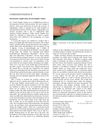
 A pregnant woman's skin condition improved after giving birth, possibly due to high estrogen levels during pregnancy.
 January 1999 in “American Journal of Medical Genetics Part A”
 The report expanded knowledge of MBTPS1-related disorders by identifying new symptoms.
 May 2002 in “British Journal of Dermatology”
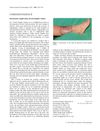
 Hair loss caused by longer latent hair cycle and sudden miniaturization, not gradual follicle size reduction.
February 2026 in “Chemical Engineering Journal” PCA hydrogel promotes hair growth by enhancing blood vessel formation and hair follicle stem cell activity.
 October 2022 in “Journal of the American Academy of Dermatology”
 "Clean" shampoos use fewer allergenic preservatives than traditional ones but still contain fragrances, and their actual risk of causing skin reactions is unclear.
 September 2018 in “Value in Health”
 Cochrane and non-Cochrane drug safety reviews report well in PRISMA but poorly in PRISMA harms, with non-Cochrane needing improvement.
 September 2018 in “Value in Health”
 Cochrane systematic reviews have better methodological quality than non-Cochrane ones, and improvements are needed for the latter.
January 2018 in “Refubium (Universitätsbibliothek der Freien Universität Berlin)” New nanocarriers were developed for safer, targeted drug delivery and diagnostics, showing promise for future medical use.
102 citations
,
October 2010 in “Molecular Pharmaceutics” Copper-doxorubicin nanoparticles effectively treat tumors with less toxicity.
August 2025 in “Dermatopathology” Pilomatricomas are often linked to genetic syndromes, especially Apert syndrome, and genetic analysis is crucial for diagnosis.

Platelet-derived extracellular vesicles can boost hair growth by activating a specific signaling pathway.
 November 2022 in “The journal of investigative dermatology/Journal of investigative dermatology”
 Linalool in personal care products may contribute to hair loss by damaging hair follicle stem cells and triggering harmful immune responses.
 November 2022 in “The journal of investigative dermatology/Journal of investigative dermatology”
 The STRIPAK complex is crucial for skin cell organization and creating a functional skin barrier.
47 citations
,
October 2021 in “Journal of Nanobiotechnology” HPDAlR nanoparticles greatly improve skin wound healing without toxicity.
22 citations
,
September 2022 in “International Journal of Nanomedicine” CUR-loaded micelles improve skin delivery and effects of curcumin for pain and infections.
17 citations
,
November 2024 in “Talanta” A new method was developed to detect pesticide residues on apples without damage.
1 citations
,
July 2025 in “Biomaterials Advances” 3D cultures respond better to minoxidil, while 2D cultures respond better to DHT.
February 2026 in “ACS Omega” The hydrogel effectively treats oral mucositis by reducing oxidative damage and bacterial infection.

Lavender and tea seed oil in nanostructured carriers effectively promote hair growth.

Lavender and tea seed oil in nanostructured carriers boost hair growth better than a commercial product.
 September 2025 in “Crystal Growth & Design”
 Different solvents change minoxidil crystal shapes and improve flowability.
 August 2025 in “Plastic and Aesthetic Research”
 Microneedling can effectively treat hair loss and works well with other treatments, but more research is needed.
 December 2024 in “Advanced Composites and Hybrid Materials”
 Electrospun 3D nanofibrous materials show promise for bone regeneration in orthopaedics.