 19 citations
,
August 2020 in “Gastroenterology report”
19 citations
,
August 2020 in “Gastroenterology report” There is no standard treatment for the rare Cronkhite–Canada syndrome, which can be fatal and lead to cancer.
6 citations
,
April 1993 in “Journal of Dermatological Science” Certain substances can strongly inhibit DNA synthesis in hair cells.
49 citations
,
January 2013 in “Dermatologic Therapy” Newborns with ichthyosis need specific care based on their skin type.
 February 2022 in “Cleveland Clinic Journal of Medicine”
 Prolonged use of topical corticosteroids can cause excessive hair growth.
 6 citations
,
July 2009 in “Veterinary dermatology”
6 citations
,
July 2009 in “Veterinary dermatology” Vesiculobullous lesions should be considered part of canine cutaneous epitheliotropic T-cell lymphoma.
 19 citations
,
March 2013 in “Journal of Cutaneous Pathology”
19 citations
,
March 2013 in “Journal of Cutaneous Pathology” The study found unique skin changes in a rare type of alopecia linked to a skin condition called linear morphea.
 4 citations
,
May 2022 in “Journal of Nepal Medical Association”
4 citations
,
May 2022 in “Journal of Nepal Medical Association” Steroids, infection management, and nutritional support can significantly improve symptoms of Cronkhite-Canada Syndrome.
 2 citations
,
February 1981 in “Journal of the Royal Society of Medicine”
2 citations
,
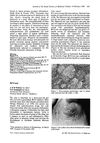
February 1981 in “Journal of the Royal Society of Medicine” A three-year-old girl survived a rare serious infection caused by BCG vaccination, which improved after treatment with a leprosy drug.
4 citations
,
January 2019 in “Indian Dermatology Online Journal” The term "Porokeratotic Adnexal Ostial Nevus" is suggested as a more appropriate name.
July 2024 in “Indian Dermatology Online Journal” A benign tumor on the cheek, called trichoadenoma, should be surgically removed for cosmetic reasons.
 3 citations
,
January 2008 in “Journal of the American Academy of Dermatology”
3 citations
,
January 2008 in “Journal of the American Academy of Dermatology” A patient's skin rash did not affect the area where a previous viral rash was healing, suggesting a rare immune response.
 1 citations
,
January 1980 in “Archives of Dermatology”
1 citations
,
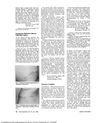
January 1980 in “Archives of Dermatology” Syphilis chancres can be atypical, and fiber implantation for baldness is risky and often fails.
41 citations
,
November 2015 in “The journal of investigative dermatology. Symposium proceedings/The Journal of investigative dermatology symposium proceedings” Diphenylcyclopropenone (DPCP) can help regrow hair in many alopecia areata patients but may cause side effects and relapses.
May 2020 in “International journal of dermatology and venereology” Hair matrix cysts are rare skin nodules with unique features, often needing surgical removal.
2 citations
,
February 2021 in “Journal of comparative pathology” Sheep with chronic Sarcoptes scabiei dermatitis have altered keratin expression in their skin.
February 2025 in “Buletin Veteriner Udayana” Oral ivermectin effectively treated a cat's mite infections, improving its condition.
6 citations
,
November 1977 in “Archives of Dermatology” A 6-year-old girl in the U.S. had a rare scalp infection caused by *Trichophyton soudanense*.
6 citations
,
March 2020 in “Anais Brasileiros de Dermatologia” Thyroid disease can cause skin and hair changes, treatable with levothyroxine.
 2 citations
,
January 2007 in “Acta Dermato Venereologica”
2 citations
,
January 2007 in “Acta Dermato Venereologica” A patient developed a blister at the injection site after hepatitis C treatment.
 March 1998 in “Journal of dermatological science”
 Diphencyprone initially increases mouse hair growth, then slows it, possibly due to changes in specific protein levels.
48 citations
,
November 2022 in “Journal of Cosmetic Dermatology” Skin rashes can help diagnose COVID-19 early.
13 citations
,
July 2003 in “Annals of the Rheumatic Diseases” Co-trimoxazole successfully treated a girl with multiple autoimmune symptoms.
5 citations
,
August 2002 in “Veterinary Dermatology” Combining terbinafine and mitotane effectively treated a schnauzer's skin infection and hormone disorder.
 September 2024 in “The Indian Veterinary Journal”
 A Labrador pup with a fungal skin infection was fully cured in four weeks using topical treatments and immune boosters.
January 1962 in “Archives of Dermatology” A 5-year-old girl has lipoid proteinosis, causing voice issues, hair thinning, skin lesions, and tongue movement problems.
 August 2023 in “International Journal of Dermatology”
 COVID-19 and its vaccines can cause various skin issues, with urticaria being the most common.
January 2002 in “Linchuang pifuke zazhi” A young woman had a rare scalp tumor usually found in older women.
January 1996 in “Studia iuridica” Two new gene mutations cause a rare hair disorder.
4 citations
,
September 1992 in “Journal of Small Animal Practice” A French bulldog had sparse hair due to a condition similar to that seen in Chinese crested dogs.
 September 2025 in “Media Kedokteran Hewan”
 90% of African pygmy hedgehogs in the study had fungal infections.