1 citations
,
July 2024 in “Journal of Plastic Reconstructive & Aesthetic Surgery” Estrogen therapy can help stabilize the hairline in transfeminine individuals.
September 2025 in “Biological Procedures Online” The improved surgical method increases success and reduces fetal loss in fetal mouse models for scarless skin healing.
 May 2024 in “International Journal of Nanomedicine”
 Biodegradable polymers can improve cannabinoid delivery but need more clinical trials.
April 2007 in “CRC Press eBooks” Certain vitamins in wrong amounts, alcohol abuse, metals, and other toxins can cause serious brain and nerve damage.
October 2022 in “International Journal of Molecular Sciences” Fish collagen peptides can significantly promote hair growth.
10 citations
,
January 1987 in “PubMed” Thyroid hormone and epidermal growth factor affect hair angle, tooth eruption, and ear development in rats.
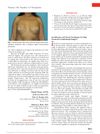 May 2015 in “Plastic and Reconstructive Surgery”
 A new method using bands and finger sheaths from gloves to manage hair during surgery is effective, quick, and reduces hair damage.
April 2015 in “Dentistry 3000” Premature hair graying in the face may be influenced by genetics and environment.
 37 citations
,
September 2014 in “Plastic and Reconstructive Surgery”
37 citations
,
September 2014 in “Plastic and Reconstructive Surgery” Combining microsurgery with craniofacial reconstruction improves aesthetic results and reduces harm to the area where tissue is taken from.
4 citations
,
March 2024 in “Developmental Dynamics” ALX4 is crucial for normal craniofacial and hair development, with specific roles in different cell types.
2 citations
,
August 2022 in “genesis” Intravital imaging advances help study bone and dental stem cells in real-time, despite technical challenges.
2 citations
,
August 2021 in “Animal Cells and Systems” Egfl6 is not needed for zebrafish face development.
 1 citations
,
November 2002 in “Neurosurgery Clinics of North America”
1 citations
,
November 2002 in “Neurosurgery Clinics of North America” The article concludes that cranial reconstruction should aim for the best aesthetic result, using various techniques tailored to individual needs and conditions.
 September 2025 in “Cureus”
 Early recognition and multidisciplinary management are crucial for improving outcomes in Parry-Romberg syndrome.
 August 2023 in “Dermatologic Surgery”
 Botulinum toxin might help with some scalp conditions, but more research is needed to confirm its effectiveness and safety.
 January 2013 in “International Journal of Trichology”
 A new mutation in the TRPS1 gene was found in a Ukrainian girl with Trichorhinophalangeal syndrome type I.

Osteopathic manipulation therapy might help treat dementia caused by finasteride.
October 2024 in “Developmental Dynamics” Recent advances show zebrafish can model anemia, Alx4 affects craniofacial and hair development, and mTORC1 is crucial for retinal development.
 16 citations
,
March 2013 in “The Journal of Dermatology”
16 citations
,
March 2013 in “The Journal of Dermatology” Low TRPS1 expression in skin and hair cells is linked to hair problems in Trichorhinophalangeal syndrome.
10 citations
,
November 2018 in “The Italian Journal of Pediatrics/Italian journal of pediatrics” Early diagnosis of Trichorhinophalangeal syndrome type 1 is crucial for treatment and was achieved through clinical examination and family history.
 March 2026 in “The Open Dentistry Journal”
 Males in Jazan generally have larger foreheads than females, except in width.
 December 2023 in “International Journal of Science and Research (IJSR)”
 FUE is a safe and effective method for beard and moustache transplants.
 10 citations
,
January 2014 in “BioMed research international”
10 citations
,
January 2014 in “BioMed research international” Rat whisker cells can help turn other cells into nerve cells and might be used to treat brain injuries or diseases.
4 citations
,
January 2023 in “Journal of Clinical Investigation” Specific mutations in a receptor cause facial abnormalities and hair loss.
2 citations
,
January 2021 in “American Journal of Case Reports” A 13-year-old boy with a rare genetic condition survived a heart attack and improved with treatment.
 2 citations
,
February 2007 in “Plastic and Reconstructive Surgery”
2 citations
,
February 2007 in “Plastic and Reconstructive Surgery” The book "Plastic Surgery, 2nd Edition" is a valuable, comprehensive resource for plastic surgeons.
June 2026 in “British Journal of Dermatology” A rare genetic mutation in the EGFR gene caused severe skin issues and other health problems in a Slovakian girl, who is now 4 years old and receiving care.
 April 2025 in “Scholars International Journal of Anatomy and Physiology”
 Straight-lined hairlines are most common among Etche people.
December 2021 in “Morphologia” Neural crest cells could be used in regenerative medicine due to their ability to become different cell types.