 5 citations
,
January 2011 in “Korean Journal of Pharmacognosy”
5 citations
,
January 2011 in “Korean Journal of Pharmacognosy” Fermented Cornus officinalis promotes hair growth better than minoxidil.
5 citations
,
February 2013 in “PubMed” An 11-year-old girl's hair loss was caused by a Cladosporium fungal infection, which was cured with itraconazole treatment.
9 citations
,
April 1985 in “Canadian Journal of Zoology” Moose have unique interdigital glands with green hairs and larger glands during mating season.
 19 citations
,
August 2020 in “Gastroenterology report”
19 citations
,
August 2020 in “Gastroenterology report” There is no standard treatment for the rare Cronkhite–Canada syndrome, which can be fatal and lead to cancer.
January 2026 in “Journal of Ethnopharmacology” Cedrol promotes hair growth better than baricitinib by regulating immune cells.
 March 2022 in “Institutional Repositories DataBase (IRDB)”
 Philippine stingless bee propolis may promote hair growth and fight cancer.
18 citations
,
November 1989 in “Clinical and experimental dermatology” Griseofulvin is the best treatment for severe scalp infection caused by Microsporum canis.
 8 citations
,
April 2015 in “British Journal of Dermatology”
8 citations
,
April 2015 in “British Journal of Dermatology” White piedra, a rare fungal infection, was diagnosed in two women in a northern climate.
January 2022 in “Zenodo (CERN European Organization for Nuclear Research)” Eclipta prostrata has many health benefits, including protecting the liver, fighting cancer, and reducing inflammation.
 2 citations
,
April 2022 in “Clinical, cosmetic and investigational dermatology”
2 citations
,
April 2022 in “Clinical, cosmetic and investigational dermatology” A new plant-based treatment was effective for hair regrowth in women with a specific type of hair loss that didn't respond to usual treatments.
 146 citations
,
July 2003 in “Journal of the American Academy of Dermatology”
146 citations
,
July 2003 in “Journal of the American Academy of Dermatology” Clobetasol propionate ointment can help some people with total hair loss regrow hair.
1 citations
,
August 2022 in “Pigment Cell & Melanoma Research” New mouse models help study melanocytic cells for melanoma research.
October 2025 in “Clinical Chemistry” Juniperus communis extract enhances the effectiveness of oral cancer treatment when combined with chemotherapy.
 June 2013 in “Revista cubana de plantas medicinales”
 Sida cordifolia is rich in saponins with antioxidant and antifungal properties.
 16 citations
,
May 2013 in “Australasian Journal of Dermatology”
16 citations
,
May 2013 in “Australasian Journal of Dermatology” Hair loss in Cronkhite-Canada syndrome is reversible by treating the gut issues and doesn't need steroid treatment for the hair itself.
March 2022 in “JAAD case reports” Accurate diagnosis is crucial for effective treatment of hair loss.
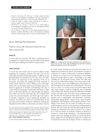 4 citations
,
November 2012 in “Dermatitis”
4 citations
,
November 2012 in “Dermatitis” A man got severe skin irritation after using marking nut sap for hair loss.
 August 2025 in “Tropical Journal of Natural Product Research”
 The combination of mint and Aloe vera serum may help reduce hair loss from chemotherapy.
December 2015 in “OPAL (Open@LaTrobe) (La Trobe University)” Minoxidil sulfate significantly improved hair growth in mice.
1 citations
,
August 2020 Croton membranaceus root extract can change how drugs are processed in the body.
A red fox with skin lesions was cured of a fungal infection after treatment.
 April 2026 in “Journal of Clinical Case Reports and Studies”
 Herbal oils healed a boy's deep burn quickly and effectively.
10 citations
,
January 2004 in “Journal of Investigative Dermatology” Krt6a-Cre transgenic mice help study gene effects on hair follicle development and tumor suppression.
4 citations
,
October 2021 in “International Journal of Cosmetic Science” Cirsium japonicum flower extract increases melanin production and could help treat depigmentation conditions.
 1 citations
,
June 2015 in “Australasian Journal of Dermatology”
1 citations
,
June 2015 in “Australasian Journal of Dermatology” A patient with Cronkhite-Canada syndrome improved with nutritional support and steroids, but early diagnosis is key due to high mortality.
 19 citations
,
July 1993 in “Journal of Applied Toxicology”
19 citations
,
July 1993 in “Journal of Applied Toxicology” Different oil products cause varying levels of skin irritation in mice, which could potentially lead to tumors.
 July 1995 in “Journal of Dermatological Science”
 Cyclosporine starts hair growth faster, while minoxidil makes it last longer.
January 2026 in “BioMed Research International” The combination of rosemary and castor oils may promote hair growth in mice.
2 citations
,
January 2014 in “Case Reports in Clinical Medicine” Cronkhite-Canada syndrome is a rare condition causing gut polyps, hair loss, skin changes, and nail issues, often with a poor outlook.
September 2007 in “The American Journal of Gastroenterology” Cronkhite-Canada syndrome causes chronic diarrhea and has a poor prognosis despite treatment.