18 citations
,
December 2013 in “Colorectal Disease” Higher prolactin levels in women may be linked to pilonidal sinus disease.
4 citations
,
June 2025 in “JMIR Formative Research” Hair cortisol concentration may reflect some physiological stress but doesn't strongly correlate with perceived stress.
 August 2024 in “Archives of Dermatological Research”
 Acne severity is not related to the type or severity of androgenetic alopecia.
 March 2021 in “Journal of Pakistan Association of Dermatologists”
 In Pakistan, men with more severe hair loss often have a higher BMI.
 July 2025 in “Pakistan Journal of Medicine and Dentistry”
 Smoking increases the risk and severity of male pattern baldness.
 June 2025 in “Indian Dermatology Online Journal”
 Severe hair loss may worsen with skin condition, suggesting treating the skin might help.
January 2025 in “TURKDERM” Alopecia areata patients experience more psychological distress, linked to certain neurotrophin levels.
2 citations
,
January 2022 in “Annals of Dermatology” Treatment type and patch size affect hair regrowth patterns in alopecia areata.
January 2023 in “Yādgār.” COVID-19 vaccines are linked to menstrual changes in many women.
 February 2026 in “Zenodo (CERN European Organization for Nuclear Research)”
 Hirsutism and acne indicate high androgen levels in women with PCOS, and early treatment can improve symptoms and quality of life.
 February 2026 in “Zenodo (CERN European Organization for Nuclear Research)”
 Hirsutism and acne indicate high androgen levels in women with PCOS, suggesting early treatment can help.
85 citations
,
October 2007 in “International Journal of Dermatology” Curly hair shape is due to uneven growth patterns in the hair follicle.
 161 citations
,
July 2003 in “ACM Transactions on Graphics”
161 citations
,
July 2003 in “ACM Transactions on Graphics” Researchers developed a new model for more realistic computer graphics rendering of hair by considering how light scatters on hair fibers.
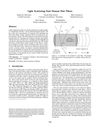
Researchers developed a new model for more realistic computer graphics of hair by considering how light scatters on hair fibers.
30 citations
,
November 2021 in “Obesity Reviews” Higher glucocorticoids in hair are linked to increased obesity measures like waist size.
 2 citations
,
September 2021
2 citations
,
September 2021 Patients with alopecia areata may have lower vitamin D levels than healthy people.
 June 2026 in “European Medical Journal”
 More severe hair loss is linked to more sexual dysfunction in both men and women.
 September 2023 in “Clinical, Cosmetic and Investigational Dermatology”
 Higher SHBG levels are linked to less severe hair loss in women, but vitamin D levels don't seem to affect hair loss.
 4 citations
,
March 2020 in “BMC Research Notes”
4 citations
,
March 2020 in “BMC Research Notes” Skin tags in obese individuals may indicate higher cardiovascular risk.
 4 citations
,
March 2021 in “Le infezioni in medicina”
4 citations
,
March 2021 in “Le infezioni in medicina” Men with hair loss are more likely to experience moderate to severe COVID-19 symptoms.
July 2019 in “Journal of Dermatology and Dermatologic Surgery” Wearing headcovers doesn't affect male-pattern hair loss severity.
6 citations
,
September 2022 in “Vaccines” Some people developed alopecia areata after COVID-19 vaccination, but it's not caused by the vaccine and most improved with treatment.
 August 2025 in “Dermatology Reports”
 Rosemary oil may reduce hair greying risk.
 November 2021 in “International Journal of Research in Dermatology”
 Low iron levels are linked to certain types of hair loss.
 7 citations
,
September 2020 in “Journal of Cosmetic Dermatology”
7 citations
,
September 2020 in “Journal of Cosmetic Dermatology” Smoking increases early hair loss risk in men; quitting may help prevent it.
 November 2025 in “Khalij-Libya Journal of Dental and Medical Research”
 Hair loss is linked to low levels of zinc, vitamin D, and ferritin.
Stress significantly contributes to hair loss, especially in women and those aged 31-40.
 April 2023 in “JMIR Research Protocols”
 The study aims to create a model to predict health attributes using diverse health data from Japanese adults.
 31 citations
,
September 2015 in “BJUI”
31 citations
,
September 2015 in “BJUI” Men with benign prostatic hyperplasia are more likely to have metabolic syndrome than those without it.
10 citations
,
April 2022 in “BMJ Open” Early detection and treatment of urinary symptoms can help maintain functional ability in older adults.