 June 2026 in “HAL (Le Centre pour la Communication Scientifique Directe)”
 SH‑1 is safer for cosmetic use than PP405.
25 citations
,
May 2008 in “Journal of cosmetic dermatology” Conditioning agents, especially jojoba oil and lauryl PEG/PPG-18/18 methicone, protect and strengthen chemically straightened Afro-ethnic hair.

Cosmeceuticals can improve skin health and appearance but need more research for safety and effectiveness.
 18 citations
,
January 2016 in “Elsevier eBooks”
18 citations
,
January 2016 in “Elsevier eBooks” Nanotechnology improves cosmetics' effectiveness and safety.
5 citations
,
January 2024 in “Fermentation” The new placenta-derived liquid improves skin moisture better than traditional extracts.
1 citations
,
April 2024 in “Plastic & Reconstructive Surgery Global Open” Blunt cannula lip fillers are safe, effective, and comfortable, with no bruising.
 January 2025 in “American Journal of Medical and Clinical Research & Reviews”
 Cosmetics can contain harmful chemicals that may cause health issues.
September 2025 in “Biological Procedures Online” The improved surgical method increases success and reduces fetal loss in fetal mouse models for scarless skin healing.
4 citations
,
March 2007 in “Annales de Dermatologie et de Vénéréologie” Hair care products can cause skin irritation and allergies due to certain chemicals.
 January 2024 in “Editora In Vivo eBooks”
 Veterinarians are essential for ensuring animal welfare and safe meat products in Brazil.
January 2023 in “Skin Research and Technology” New methods effectively measure how well hair products clean and protect against pollution.
2 citations
,
August 2004 in “Veterinary Dermatology” A dog with a hereditary skin condition causing blisters and hair loss survived for a year.
July 2026 in “International Journal of Herbal Medicine” Shikakai and Reetha clean hair well and are safer and more eco-friendly than regular shampoos.
7 citations
,
March 2022 in “The FASEB journal” Adult mice with CBS deficiency show minimal health issues and normal lifespan despite high homocysteine levels.
28 citations
,
December 1999 in “British Journal of Plastic Surgery” 10 citations
,
April 2020 in “Journal of surfactants and detergents” Shampoos with sugar-derived surfactants clean hair well and are gentler than those with SLES.
 January 2025 in “International Journal For Multidisciplinary Research”
 The soap strips are effective and eco-friendly anti-fungal alternatives.
 1 citations
,
May 2019 in “Frontiers in Pharmacology”
1 citations
,
May 2019 in “Frontiers in Pharmacology” The book provides detailed information on natural ingredients in beauty products and emphasizes the need for more human trials to confirm their effectiveness.
 September 2017 in “Journal of Investigative Dermatology”
 Mackerel fermented fish oil protects skin cells from damage by UVB light.
221 citations
,
June 1999 in “In Vitro Cellular & Developmental Biology - Animal”  April 2017 in “Journal of Aesthetic Nursing”
 Speak up at meetings to improve safety in cosmetic procedures.
 July 2026 in “Zenodo (CERN European Organization for Nuclear Research)”
 The shampoo is a safe and effective herbal option for protecting hair from pollution damage.
4 citations
,
December 2017 in “Journal of zoo and wildlife medicine” Hormonal changes during the reproductive cycle may cause seasonal skin problems in captive female fossas.
 July 2026 in “Zenodo (CERN European Organization for Nuclear Research)”
 The shampoo is a safe and effective herbal option for protecting hair from pollution damage.
October 2021 in “Journal of Investigative Dermatology” Pink berry extract effectively treats scalp issues from frequent head covering.
July 2023 in “Nature Reviews Chemistry” A new method strengthens hair without using harmful chemicals.

A natural, eco-friendly treatment using casein and tannic acid strengthens hair by 21% while keeping it elastic.
 June 2014 in “Basic & Clinical Pharmacology & Toxicology”
 Some plant extracts may treat livestock diseases, certain animal treatments are safe and effective, but more research on drug safety and resistance is needed.
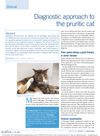 September 2013 in “The veterinary nurse”
 Finding the cause of a cat's itchiness requires a careful process and good communication with the owner.
January 1997 in “Elsevier eBooks” Cosmetics improve skin and hair health, protect from UV damage, and boost mood and confidence.