19 citations
,
January 2019 in “Molecular Medicine Reports” Store stem cells at 4°C in 10% human serum and use within 2-4 hours for best results.
36 citations
,
January 2010 in “International Journal of Trichology” Intralesional steroids can help regrow hair in some alopecia areata patients but have side effects.
 May 2023 in “Elsevier eBooks”
 Low-level laser/light therapy is effective and safe for mild to moderate hair loss in men and women when combined with other treatments.
January 2019 in “Journal of clinical and cosmetic dermatology” Combining laser light therapy and growth factor treatment improves hair growth in people with hair loss.
2 citations
,
January 2021 in “Clinical dermatology review” Modified PRP therapy successfully treated severe alopecia unresponsive to traditional methods.
 September 2011 in “Urology”
 Biofeedback treatment for dysfunctional voiding in adults showed no symptom improvement.
June 2025 in “Stem Cells and Cloning Advances and Applications” CFx-δ2 from stem cells helps heal burn wounds faster.
1 citations
,
November 2023 in “Skin Appendage Disorders” 308 nm excimer lamp therapy is effective for alopecia areata but less so for severe cases.
 20 citations
,
April 1999 in “British journal of plastic surgery”
20 citations
,
April 1999 in “British journal of plastic surgery” Ruby laser hair removal significantly reduces hair density.
April 2023 in “Journal of Investigative Dermatology” Increased TEMRA cells can predict treatment outcomes in rapidly progressive alopecia areata.
 August 2018 in “SDÜ SAĞLIK BİLİMLERİ DERGİSİ”
 No method fully prevents hair loss from chemotherapy, but some methods can reduce it and improve quality of life.
 April 2018 in “The journal of investigative dermatology/Journal of investigative dermatology”
 Higher fluence in hair removal damages hair follicles more, while lower fluence mimics natural hair regression, with long-term IPL treatments effectively reducing hair.
 March 2026 in “Frontiers in Pharmacology”
 Exprecell™ is as effective as traditional methods but produces more f-PRF and is simpler to use.
March 2026 in “IntechOpen eBooks” The laser system can safely improve recovery and quality of life for cervical cancer patients after surgery.
April 2018 in “Cytotherapy” Both treatments promote hair growth safely, but stem cells are slightly more effective.
 July 2023 in “Journal of bioscience and bioengineering”
 DMSO and microfinger devices show promise for preserving hair grafts for hair loss treatments.
5 citations
,
February 2024 in “Journal of Cosmetic Dermatology” FUE hair transplant effectively treats burn-related hair loss with natural results and quick recovery.
 18 citations
,
September 2018 in “Experimental physiology”
18 citations
,
September 2018 in “Experimental physiology” Electro-acupuncture may help treat PCOS in rats by changing brain DNA methylation.
5 citations
,
May 2008 in “Annals of saudi medicine/Annals of Saudi medicine” Cabergoline helped a boy with Cushing disease get better after surgery and radiotherapy didn't work.
Combining traditional hair removal methods with modern technology could improve cosmetology.
 June 2020 in “Journal of cosmetic medicine”
 TriCell CD34+ cell-containing PRP therapy improves hair thickness and density in alopecia patients without side effects.
 February 2022 in “Journal of clinical research and reports”
 Plasma therapy is becoming more popular for treating viral infections, skin conditions, and orthopedic issues, and is expected to grow in the healthcare market.
1 citations
,
December 2018 in “LA Referencia (Red Federada de Repositorios Institucionales de Publicaciones Científicas)” Combining electro-phototherapy with aromatherapy may improve hair growth and scalp health in men.
January 2015 in “Journal of cosmetics, dermatological sciences and applications” The combined technology safely and effectively removes hair at home on dark skin.
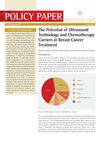
Ultrasound and nanocarriers could make breast cancer treatment safer and more effective.
 April 2023 in “Research Square (Research Square)”
 Combining stromal vascular fraction (SVF) injections with fractional CO2 laser treatment is more effective for treating burn scars than using the laser alone.
 1 citations
,
January 2024 in “Skin research and technology”
1 citations
,
January 2024 in “Skin research and technology” Deoxycholic acid is FDA-approved for reducing submental fat, but its mechanisms are not fully understood.
 26 citations
,
May 2017 in “Lasers in Medical Science”
26 citations
,
May 2017 in “Lasers in Medical Science” Laser therapy and hair growth factors significantly improve hair density in male baldness.
January 2019 in “Dermatologic Surgery” Pulsed Dye Laser effectively treats skin lesions in Rosai–Dorfman Disease.
April 2026 in “Journal of Exercise Rehabilitation” Stem cell therapy can help reduce hair loss from COVID-19 vaccination.