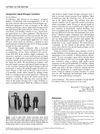
 February 2002 in “Dermatologic Surgery”
 A cheap stainless steel container from a retail store can store liquid nitrogen effectively for 8-12 hours, offering a cost-effective alternative to specialized medical containers.
4 citations
,
November 2000 in “Dermatologic surgery” The cooling gel reduces pain during laser hair removal.

The treatment showed promising results in improving advanced-stage hair loss.
 December 2017 in “Actas Dermo-Sifiliográficas”
 Scalp cooling reduces chemotherapy-induced hair loss without increasing risk of skin metastases.
 31 citations
,
September 1999 in “Dermatologic Surgery”
31 citations
,
September 1999 in “Dermatologic Surgery” Cooling hair micrografts during transplantation does not improve their survival or growth.
June 2019 in “Problems of Cryobiology and Cryomedicine”  July 2024 in “Frontiers in Bioengineering and Biotechnology”
 Storing nanofat at -20°C for 7 days does not harm its ability to regenerate.
11 citations
,
October 2020 in “PLoS ONE” Cooling can protect hair follicles from chemotherapy damage by reducing drug uptake.

Scalp cooling helps prevent hair loss and improves quality of life during chemotherapy.
25 citations
,
March 2018 in “Journal of oncology practice” Scalp cooling is an effective and safe way to prevent hair loss from chemotherapy, with manageable side effects and low risk of scalp cancer.
4 citations
,
January 2017 in “International Journal of Dermatology” Scalp cooling can help reduce hair loss during chemotherapy.
5 citations
,
September 2024 in “Journal of Clinical Medicine” Scalp cooling effectively reduces hair loss in breast cancer patients undergoing chemotherapy.
4 citations
,
July 2025 in “Frontiers in Pharmacology” Cooling with antioxidants helps protect hair during chemotherapy.
 February 2024 in “Journal of Modern Oncology”
 Scalp cooling effectively prevents hair loss during chemotherapy in most cases.
 5 citations
,
November 2002 in “Aesthetic Plastic Surgery”
5 citations
,
November 2002 in “Aesthetic Plastic Surgery” Storing hair follicles at -20°C keeps them good for up to 15 days, which may help with hair transplants.
 July 2023 in “Journal of bioscience and bioengineering”
 DMSO and microfinger devices show promise for preserving hair grafts for hair loss treatments.
June 2024 in “Lasers in Surgery and Medicine” The cooling system effectively and safely treats benign pigmented lesions in Asians.
 January 2026 in “Dermatology Online Journal”
 Scalp cooling is cost-effective for reducing hair loss from chemotherapy and should be covered by insurance.
5 citations
,
June 2024 in “Regenerative Therapy” Storing PRP at -80 °C keeps growth factors stable for at least 6 months.
8 citations
,
September 2015 in “Radiotherapy and oncology” Scalp cooling does not stop hair loss from radiotherapy.
4 citations
,
December 2021 in “Journal of Clinical Nursing” Comprehensive information and trained nurses are crucial for a better scalp cooling experience during chemotherapy.
13 citations
,
May 2016 in “British journal of nursing” Scalp cooling can help prevent hair loss from chemotherapy without raising cancer spread risk.
 June 2025 in “Cancer Management and Research”
 Improving hair health and managing conditions can enhance scalp cooling effectiveness in preventing hair loss during chemotherapy.
21 citations
,
September 2016 in “Breast” Cooler scalp temperatures during chemotherapy may prevent hair loss.
1 citations
,
February 2025 in “Journal of Dermatological Science” Rapid thawing increases tissue destruction and tumor growth inhibition.
 52 citations
,
May 2013 in “Supportive Care in Cancer”
52 citations
,
May 2013 in “Supportive Care in Cancer” Scalp cooling significantly reduces hair loss in chemotherapy patients.
July 2021 in “MVP journal of medical science” Liquid Nitrogen Cryotherapy effectively treats unresponsive Alopecia Areata with minimal side effects.
 June 2024 in “Journal of clinical oncology”
 Scalp cooling can effectively prevent hair loss during chemotherapy, improving patients' quality of life.
 November 2018 in “Annals of oncology”
 A scalp-cooling system effectively prevents hair loss in breast cancer patients treated with eribulin.
 March 2025 in “Pain Physician”
 Cooling the skin before injections reduces pain for patients with hair loss.