 January 2014 in “Journal of Investigative Dermatology”
 Proteins like aPKC and PDGF-AA, substances like adenosine and ATP, and adipose-derived stem cells all play important roles in hair growth and health, and could potentially be used to treat hair loss and skin conditions.
 15 citations
,
January 2014 in “Anais Brasileiros de Dermatologia”
15 citations
,
January 2014 in “Anais Brasileiros de Dermatologia” Lupus treatment requires a combination of drugs and therapies, with research needed for new options.
 8 citations
,
September 2015 in “Journal of the European Academy of Dermatology and Venereology”
8 citations
,
September 2015 in “Journal of the European Academy of Dermatology and Venereology” Hair and scalp pain is more common and severe in breast cancer patients on chemotherapy than those on tamoxifen.
 March 2026 in “Research Square”
 Polymer dot nanozymes and exosomes, with laser stimulation, speed up wound healing.
 October 2021 in “Revista Medicina Cutánea Ibero-Latino-Americana”
 PRIDE syndrome helps identify skin side effects from EGFR inhibitors like erlotinib.
 January 2019 in “Research Square (Research Square)”
 The trial will test if YH0618 granule prevents hair loss in breast cancer patients during chemotherapy.
 76 citations
,
July 2019 in “Cellular and Molecular Life Sciences”
76 citations
,
July 2019 in “Cellular and Molecular Life Sciences” Stem cells are crucial for tissue growth, cancer treatment, and disease modeling, but challenges remain in clinical use.
 3 citations
,
July 2025 in “BIOMED natural and applied science”
3 citations
,
July 2025 in “BIOMED natural and applied science” Drug repurposing can create safer, cheaper treatments by finding new uses for existing drugs.
 March 2024 in “Research Square (Research Square)”
 Scalp cooling therapy helps preserve hair during chemotherapy for most patients.
 29 citations
,
August 2007 in “Annals of Oncology”
29 citations
,
August 2007 in “Annals of Oncology” Docetaxel and oxaliplatin are effective and have manageable side effects for recurrent platinum-sensitive ovarian cancer.
 1 citations
,
July 2020 in “Bezmialem science”
1 citations
,
July 2020 in “Bezmialem science” Reflexology massage helps hair regrowth in women after chemotherapy.
 78 citations
,
March 2004 in “Annals of Oncology”
78 citations
,
March 2004 in “Annals of Oncology” The treatment combining docetaxel, cisplatin, and 5-FU is feasible and effective for advanced head and neck cancer.
 January 2025 in “Iraqi Journal of Science”
 PDCD4 protein levels, affected by genetics and breastfeeding, may predict breast cancer treatment response.
 January 2024 in “Biological & clinical sciences research journal”
 Apigenin, found in plants and vegetables, has many health benefits, including anti-inflammatory, antioxidant, and anticancer effects.
 61 citations
,
January 2008 in “Cold Spring Harbor Symposia on Quantitative Biology”
61 citations
,
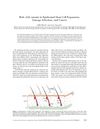
January 2008 in “Cold Spring Harbor Symposia on Quantitative Biology” Beta-catenin is crucial for skin cell growth, development, and cancer formation.
 23 citations
,
July 2007 in “The journal of investigative dermatology/Journal of investigative dermatology”
23 citations
,
July 2007 in “The journal of investigative dermatology/Journal of investigative dermatology” Hair follicle bulge cells don't help skin regrow after glucocorticoid damage; interfollicular epidermis cells do.
 1 citations
,
October 1984 in “Clinics in dermatology”
1 citations
,
October 1984 in “Clinics in dermatology” People distressed by minor skin changes should consult dermatologists with cosmetic expertise, and a public Cosmetic Dermatology Service with mental health support is recommended.
 November 2008 in “Medical & surgical dermatology”
 A device was made in 2008 to measure hair loss severity. Other findings include: frizzy mutation in mice isn't related to Fgfr2, C/EBPx marks preadipocytes, Cyclosporin A speeds up hair growth in mice, blocking plasmin and metalloproteinases hinders healing, hyperbaric oxygen helps ischemic wound healing, amniotic membranes heal wounds better than polyurethane foam, rhVEGF165 from a fibrin matrix improves tissue flap viability and induces VEGF-R2 expression, and bFGF enhances wound healing and reduces scarring in rabbits.
 November 2025 in “Frontiers in Immunology”
 Stem cell activity influences autoimmune disease outcomes by affecting immune responses and tissue regeneration.
2 citations
,
December 2015 in “DOAJ (DOAJ: Directory of Open Access Journals)” Targeted anticancer therapies often cause skin issues, affecting treatment adherence and quality of life.
January 2019 in “Journal of the American Academy of Dermatology” Childhood cancer survivors need better skin care and sun protection.
34 citations
,
November 2023 in “Applied Materials Today” Nanoemulsions can effectively treat skin cancer with fewer side effects.
June 2025 in “British Journal of Dermatology” The new AI software predicts melanoma outcomes more accurately than traditional methods.
April 2024 in “JEADV Clinical Practice” Guidelines for full-body skin exams, including hidden areas, are needed to guide doctors and inform patients.
31 citations
,
October 2019 in “Genes & Diseases” Basal cell carcinomas and squamous cell carcinomas have different gene activity patterns, suggesting unique treatment approaches.
 120 citations
,
October 2007 in “Clinical Interventions in Aging”
120 citations
,
October 2007 in “Clinical Interventions in Aging” Estrogens help reduce skin aging, and SERMs might offer similar benefits without the risks of hormone therapy.
33 citations
,
June 2009 in “Journal of Cutaneous Pathology” Erlotinib can cause nonscarring hair loss and itchy skin.
 1 citations
,
May 2023 in “Cutis”
1 citations
,
May 2023 in “Cutis” Eating disorders can cause skin problems, which may help with early diagnosis and treatment.
 1 citations
,
February 2021 in “Cutis”
1 citations
,
February 2021 in “Cutis” COVID-19 can cause various skin symptoms, including rashes and lesions, which often appear early and can help in timely diagnosis.
March 2026 in “Photodermatology Photoimmunology & Photomedicine” Patients with skin immune diseases need better education on UV protection to improve compliance.