Ivarmacitinib effectively regrows hair in severe alopecia areata.
 4 citations
,
May 2019 in “Asian Journal of Pharmaceutical Sciences”
4 citations
,
May 2019 in “Asian Journal of Pharmaceutical Sciences” Created tablet similar to Avodart using γ-cyclodextrin and solubilizers.
1 citations
,
August 2021 in “Journal of Investigative Dermatology” ASLAN004 was safe and well-tolerated, supporting further development for treating certain diseases.
 September 2013 in “Neurodegenerative disease management”
 Teriflunomide is effective and generally safe for treating relapsing multiple sclerosis, reducing relapse rates and disability progression.
November 2024 in “SKIN The Journal of Cutaneous Medicine” Baricitinib slightly increased cholesterol levels in alopecia areata patients, but these changes were manageable.
 4 citations
,
December 2024 in “Clinical Cosmetic and Investigational Dermatology”
4 citations
,
December 2024 in “Clinical Cosmetic and Investigational Dermatology” Combining baricitinib with UV-B therapy effectively treats non-segmental vitiligo and is well-tolerated.
 October 2021 in “Dermatology Reports”
 Tofacitinib, a hair regrowth treatment, may worsen acne.
 February 2025 in “International Journal of STD & AIDS”
 Tofacitinib can cause unusual hair growth, requiring careful monitoring and possible laser hair removal.
July 2006 in “Inpharma Weekly”  17 citations
,
January 2019 in “Dermatologic Therapy”
17 citations
,
January 2019 in “Dermatologic Therapy” Tofacitinib is effective and safe for long-term treatment of severe alopecia areata, with many patients achieving complete hair regrowth.
July 2026 in “Dermatology and Therapy” Baricitinib and ritlecitinib are both effective and safe for treating severe alopecia areata.
 1 citations
,
August 2022 in “Journal of Dermatology and Dermatologic Surgery”
1 citations
,
August 2022 in “Journal of Dermatology and Dermatologic Surgery” A patient developed nerve problems as a side effect of a hair loss treatment called tofacitinib.
 April 2025 in “Frontiers in Immunology”
 Tofacitinib effectively regrows hair in alopecia areata but may need continuous use.
 34 citations
,
August 2002 in “British Journal of Dermatology”
34 citations
,
August 2002 in “British Journal of Dermatology” ALA-PDT is effective and safe for chronic X-ray dermatitis, providing complete or partial remission.
 June 2023 in “British Journal of Dermatology”
 Baricitinib was effective and safe for severe hair loss treatment over 6 months.
January 2025 in “The Journal of Dermatology” Patients prefer the higher 50 mg dose of ritlecitinib for better hair regrowth despite higher risks.
 7 citations
,
August 2023 in “Journal of the American Academy of Dermatology”
7 citations
,
August 2023 in “Journal of the American Academy of Dermatology” JAK inhibitors offer new hope for treating severe alopecia areata.
 February 2016 in “The journal of investigative dermatology/Journal of investigative dermatology”
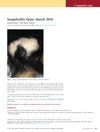
 JAK inhibitors may help treat alopecia areata by reversing hair loss.
 9 citations
,
May 2021 in “International Journal of Dermatology”
9 citations
,
May 2021 in “International Journal of Dermatology” The trial showed that a new under-the-tongue treatment for severe hair loss was somewhat effective in a small group of people.
June 2020 in “Jurnal Penyakit Dalam Indonesia” Anti-DFS70 antibodies can help identify nonsystemic autoimmune conditions in SLE patients.
 January 2025 in “Acta Dermatovenerologica Alpina Pannonica et Adriatica”
 Baricitinib is effective and safe for treating severe alopecia areata.
 142 citations
,
December 1991 in “Antimicrobial Agents and Chemotherapy”
142 citations
,
December 1991 in “Antimicrobial Agents and Chemotherapy” Dextran sulfate was found to be toxic and ineffective for treating HIV.
 2 citations
,
April 2024 in “Dermatology Practical & Conceptual”
2 citations
,
April 2024 in “Dermatology Practical & Conceptual” Tofacitinib and baricitinib are effective and safe for treating severe alopecia areata, especially in younger people.
2 citations
,
January 2022 in “JAAD Case Reports” The rash resolved after stopping ponatinib.
 3 citations
,
August 2020 in “Case Reports in Dermatology”
3 citations
,
August 2020 in “Case Reports in Dermatology” Tofacitinib treatment significantly improved a patient's psoriasis, psoriatic arthritis, and alopecia universalis.
24 citations
,
March 2022 in “Journal of the American Academy of Dermatology” Adalimumab improved folliculitis decalvans in most patients.
 June 2024 in “Neuromuscular Disorders”
 Baricitinib successfully treated myasthenia gravis and alopecia in a patient.
April 2026 in “Clinical and Translational Science” Tofacitinib effectively treats severe alopecia areata, improving hair regrowth and patient satisfaction.
High CCL11 levels may indicate poor response to baricitinib in severe alopecia areata.
Tofacitinib and low-dose IL-2 may help maintain hair regrowth in alopecia areata without ongoing treatment.