 1 citations
,
February 2025 in “South Asian Research Journal of Pharmaceutical Sciences”
1 citations
,
February 2025 in “South Asian Research Journal of Pharmaceutical Sciences” Eclipta alba flavonoids may help treat diabetes by effectively inhibiting Aldose reductase.
June 2026 in “Clinical Cosmetic and Investigational Dermatology” High-dose baricitinib improved severe alopecia areata in most patients without severe side effects.
Baricitinib helps keep hair, eyebrows, and eyelashes regrown for 3 years in most people with severe hair loss.
 April 2023 in “The journal of investigative dermatology/Journal of investigative dermatology”
 Ritlecitinib significantly improves scalp hair regrowth in alopecia areata patients over time.
 September 2024 in “Journal of the European Academy of Dermatology and Venereology”
 Baricitinib effectively reduces hair loss in severe alopecia areata with mild side effects.
 February 2026 in “Clinical Drug Investigation”
 Baricitinib significantly improves nail and hair symptoms in severe alopecia areata.
11 citations
,
September 2010 in “PubMed” DHA-NLC may improve drug delivery and reduce side effects for cancer treatment.
 35 citations
,
January 2004 in “European journal of oncology nursing”
35 citations
,
January 2004 in “European journal of oncology nursing” Capecitabine is as effective as intravenous treatments with fewer side effects, but requires careful management of Hand-foot syndrome and patient education.
February 2025 in “Skin Appendage Disorders” Upadacitinib helps most people with alopecia regrow hair quickly and is generally safe.
 January 2011 in “Annals of dermatology/Annals of Dermatology”
 A woman's psoriasis improved after hepatitis C treatment with interferon, despite interferon's risk of worsening skin conditions.
1 citations
,
July 2026 in “Dermatology and Therapy” JAK inhibitors are generally safe for alopecia areata and atopic dermatitis, with mostly mild side effects.
 1 citations
,
April 2018 in “Journal of Investigative Dermatology”
1 citations
,
April 2018 in “Journal of Investigative Dermatology” Tofacitinib helped most patients with alopecia areata regrow hair and changes in immune cells were linked to the treatment's effectiveness.
Abemaciclib can cause skin, hair, and nail problems, leading some patients to stop using it.
 May 2024 in “Journal of cosmetic dermatology”
 Tofacitinib is an effective and safe treatment for alopecia areata.
 15 citations
,
January 2014 in “Dermatology”
15 citations
,
January 2014 in “Dermatology” Some patients treated with peginterferon and ribavirin for chronic hepatitis C had mild to moderate skin reactions, but treatment did not need to be stopped.
March 2025 in “NATIONS UNIVERSITY INTERNATIONAL JOURNAL OF MULTI-DISCIPLINARY STUDIES” Baricitinib effectively improved skin and hair conditions in a patient with alopecia areata and atopic dermatitis.
30 citations
,
December 2021 in “Frontiers in Microbiology” Cepharanthine effectively reduces Herpes Simplex Virus Type 1 by blocking certain cell pathways and promoting cell death.
 December 2025 in “Journal of Pakistan Association of Dermatologists”
 Stopping afatinib improved a rare scalp condition in a patient.
March 2005 in “The Nurse Practitioner” 18 citations
,
August 2024 in “eLife” JAK inhibition may help manage autoimmune conditions in Down syndrome.
 June 2026 in “International Journal of Drug Delivery Technology”
 The new gel improves acne treatment and skin health with better delivery and fewer doses.
 August 2020 in “Ugeskrift for Læger”
 A man with severe hair loss regrew all his hair using tofacitinib and stayed healthy for a year.
 September 2017 in “The journal of investigative dermatology/Journal of investigative dermatology”
 Blocking CCR5 can prevent and improve hair loss in alopecia areata.
 June 2026 in “Journal of health economics and outcomes research”
 Ritlecitinib is more effective and cost-efficient than baricitinib for severe alopecia areata.
28 citations
,
December 2001 in “European Journal of Pharmacology” M50054 may help treat hepatitis and hair loss from chemotherapy.
 3 citations
,
September 2022 in “Journal of the American Academy of Dermatology”
3 citations
,
September 2022 in “Journal of the American Academy of Dermatology” Baricitinib is effective and safe for severe alopecia areata, working similarly with or without an atopic background.
 August 2022 in “Nature Biotechnology”
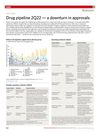
 Drug approvals slowed in 2Q22, but notable drugs like Amvuttra, Camzyos, and Olumiant were approved.
January 2026 in “Archivio istituzionale della ricerca (Alma Mater Studiorum Università di Bologna)” Baricitinib effectively promotes hair regrowth and improves well-being in severe alopecia areata patients.
 66 citations
,
June 2021 in “Journal of The American Academy of Dermatology”
66 citations
,
June 2021 in “Journal of The American Academy of Dermatology” Baricitinib is effective and safe for treating severe alopecia areata.
 March 2026 in “Journal of Pakistan Association of Dermatologists”
 Tofacitinib helps hair regrowth in alopecia areata but relapse is common after stopping treatment.