April 2023 in “Journal of Investigative Dermatology” Staphylococcus epidermidis affects hair growth and metabolism, suggesting it could help manage hair growth issues.
January 2019 in “INTAS POLIVET” The dog fully recovered and regrew hair after treatment.
3 citations
,
February 2017 in “The American journal of dermatopathology/American journal of dermatopathology” Sarcoidosis can mimic other skin disorders, making diagnosis challenging.
73 citations
,
January 2004 in “Journal of the American Academy of Dermatology” Immunocompromised patients can develop skin and hair issues due to a virus.
17 citations
,
May 1969 in “American Journal of Physical Anthropology” The silver marmoset's skin is thin, lacks pigment cells, and has unique features like keratinized spines and specialized glands.
69 citations
,
July 2002 in “Clinical and Experimental Dermatology” Alopecia areata is influenced by genetics and immune system factors, and better understanding could improve treatments.
1 citations
,
January 2019 in “Dermatology Online Journal” A rare skin condition appeared on a 19-year-old woman's scalp.

research Skin
August 2022 Goat hair growth is influenced by light cycles and diet, and skin diseases in goats are diagnosed through a step-by-step process and often involve viral or bacterial infections.
 6 citations
,
February 2016 in “American Journal of Dermatopathology”
6 citations
,
February 2016 in “American Journal of Dermatopathology” The boy with woolly hair nevus had thinner hair and abnormal hair follicles, which improved with treatment but worsened when treatment stopped.
30 citations
,
October 2010 in “Biochemical and biophysical research communications” The Gsdma3 gene is essential for normal hair development in mice.
14 citations
,
July 2004 in “Australasian Journal of Dermatology” Follicular mycosis fungoides can look like a B-cell lymphoma, making diagnosis difficult.
1 citations
,
December 2013 in “International Journal of Dermatology” February 2025 in “Pediatric Dermatology”  January 2024 in “Editora In Vivo eBooks”
 Cryptosporidiosis in dogs can spread to humans, so prevention is crucial.
 6 citations
,
July 2009 in “Veterinary dermatology”
6 citations
,
July 2009 in “Veterinary dermatology” Vesiculobullous lesions should be considered part of canine cutaneous epitheliotropic T-cell lymphoma.
1 citations
,
August 2024 in “Journal of Morphology” Mammary glands evolved from hair organs in Monodelphis domestica.
1 citations
,
January 2008 in “SKINmed Dermatology for the Clinician” Treatment with prednisolone and dapsone stopped new blisters and partially healed previous ones.
 July 2017 in “International journal of Ayurvedic and herbal medicine”
 Madayantika Siddha Taila is effective for treating Seborrhea capitis.
 156 citations
,
September 2014 in “British journal of dermatology/British journal of dermatology, Supplement”
156 citations
,
September 2014 in “British journal of dermatology/British journal of dermatology, Supplement” Accurate diagnosis and effective oral treatment are key to managing tinea capitis and preventing its spread.
 60 citations
,
March 2014 in “Veterinary dermatology”
60 citations
,
March 2014 in “Veterinary dermatology” Cats with atopic dermatitis often have severe, year-round itching and respond well to certain treatments.
8 citations
,
July 2015 in “International Journal of Dermatology” A new DSG4 gene mutation causes hair defects in a young girl.
 53 citations
,
February 2017 in “Journal of The American Academy of Dermatology”
53 citations
,
February 2017 in “Journal of The American Academy of Dermatology” The conclusion is that high-potency steroids or tacrolimus are effective treatments for erosive pustular dermatosis of the scalp.
January 2024 in “Veterinary Dermatology” A rare skin condition was found in a Labrador retriever outside North America.
1 citations
,
January 2024 in “Veterinary Dermatology” Alopecia X in Pomeranians is likely genetic, not environmental.
 6 citations
,
August 2012 in “The Journal of Pediatrics”
6 citations
,
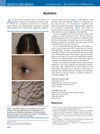
August 2012 in “The Journal of Pediatrics” A 12-year-old girl was diagnosed with monilethrix, a genetic condition causing fragile, beaded hair that breaks easily, with no effective treatment available.
 April 2023 in “Veterinary world/Veterinary World”
 Six types of bugs were found on goats in Bulgaria, with Linognathus stenopsis being the most common.
2 citations
,
December 2021 in “BMC veterinary research” Long-term use of difluprednate eye drops in dogs can lead to hair loss and hormone imbalance.
2 citations
,
September 2017 in “Journal of Zoo and Wildlife Medicine” An addax had skin cancer that spread to lymph nodes and was euthanized.
April 2020 in “DOAJ (DOAJ: Directory of Open Access Journals)” Olive oil helps Malassezia globosa overgrow, worsening atopic dermatitis in mice.
 1 citations
,
December 2010 in “The journal of small animal practice/Journal of small animal practice”
1 citations
,
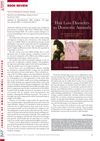
December 2010 in “The journal of small animal practice/Journal of small animal practice” The book helps veterinarians understand and treat hair loss in animals.