Four natural compounds were found to promote hair growth effectively.
 May 2023 in “Skin research and technology”
 A DNA aptamer helps promote hair growth by enhancing a key cell growth signal in hair follicle cells.
March 2023 in “Asian Journal of Beauty and Cosmetology” HX109 herbal extract helps hair grow by boosting cell growth and reducing cell death.
July 2022 in “Institutional Repositories DataBase (IRDB)” 3D spheroid cells effectively test hair growth compounds like Minoxidil.
 January 2021 in “Journal of cosmetology & trichology”
 Ageratum conyzoides L. extract may effectively and safely treat hair loss.
April 2017 in “Journal of Investigative Dermatology” Certain compounds can protect hair cells from aging and promote growth.
 April 2019 in “Advances in integrative medicine”
 HST and HST/F promote hair growth and may help treat alopecia.
42 citations
,
August 2008 in “Stem Cells and Development” Hair follicle cells can help regenerate teeth.
120 citations
,
May 2012 in “Experimental Cell Research” VEGF promotes hair follicle cell growth through the VEGFR-2/ERK pathway.
 13 citations
,
September 2010 in “Journal of Dermatological Science”
13 citations
,
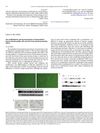
September 2010 in “Journal of Dermatological Science” Researchers made a cell line that grows quickly and can help with hair growth research.
 13 citations
,
June 2007 in “Journal of Dermatological Science”
13 citations
,
June 2007 in “Journal of Dermatological Science” Researchers created a cell line to study hair growth and found specific genes affected by dihydrotestosterone.
12 citations
,
September 2019 in “BioFactors” Ginkgolide B and bilobalide help mink hair grow by making skin cells healthier and boosting a key growth protein.
 10 citations
,
May 2019 in “BMC Complementary and Alternative Medicine”
10 citations
,
May 2019 in “BMC Complementary and Alternative Medicine” The extract from Bacillus/Trapa japonica fruit helps increase hair growth and could be a potential treatment for hair loss.
 10 citations
,
January 2016 in “Annals of Dermatology”
10 citations
,
January 2016 in “Annals of Dermatology” 3D-cultured dermal papilla cells are better at inducing hair follicles than adipose-derived stem cells.
 7 citations
,
January 2021 in “Evidence-based complementary and alternative medicine”
7 citations
,
January 2021 in “Evidence-based complementary and alternative medicine” Porphyra-334 may help reduce wrinkles and promote hair growth.
3 citations
,
January 2025 in “Biomaterials Science” Blue light-enhanced nanovesicles from stem cells improve skin and hair cell function, offering a safer treatment for skin and hair disorders.
 3 citations
,
November 2018 in “Journal of cellular physiology”
3 citations
,
November 2018 in “Journal of cellular physiology” Serenoa repens and N-acetyl glucosamine/milk proteins complex may help with hair growth and prevent hair loss.
 April 2026 in “Microorganisms”
 SCFF may help promote hair growth and scalp health.
UC-MSC-Es help human hair cells grow.
March 2025 in “Molecules” Kyoh® rocket leaf extract may promote hair growth naturally with fewer side effects.
 July 2024 in “Journal of Nanobiotechnology”
 Mouse cell exosomes help hair regrowth and wound healing by activating a specific signaling pathway.
Consciousness Energy Healing Treatment may significantly increase hair cell growth.
 January 2024 in “Journal of applied biological chemistry”
 Glehnia littoralis and Andrographis paniculata extracts can significantly boost hair growth.
 56 citations
,
September 2013 in “Journal of Biochemistry and Molecular Biology”
56 citations
,
September 2013 in “Journal of Biochemistry and Molecular Biology” Androgens increase a growth factor in hair cells by creating reactive oxygen species, and antioxidants might help treat hair loss.
52 citations
,
May 2011 in “APOPTOSIS” Hydroxyl radicals cause hair follicle cell death during chemotherapy by reducing Bcl-2 protein levels.
31 citations
,
October 2010 in “BMB Reports” L-threonate may help prevent balding by blocking a key protein.
 26 citations
,
October 2016 in “Biomolecules & Therapeutics”
26 citations
,
October 2016 in “Biomolecules & Therapeutics” 3-Deoxysappanchalcone helps human hair cells grow and stimulates hair growth in mice by affecting certain cell signaling pathways.
 25 citations
,
March 2017 in “Archives of Dermatological Research”
25 citations
,
March 2017 in “Archives of Dermatological Research” Sinapic acid may help hair growth by activating a specific cell pathway.
20 citations
,
August 1997 in “PubMed” Increased K+ permeability alone may not promote hair growth.
 18 citations
,
July 2014 in “Molecular Medicine Reports”
18 citations
,
July 2014 in “Molecular Medicine Reports” UVB radiation changes the levels of certain microRNAs in skin cells, which may affect cell survival and hair growth.