3 citations
,
January 2015 in “Indian journal of paediatric dermatology” Oral isotretinoin temporarily improved skin symptoms in a child with IFAP syndrome.
9 citations
,
February 2002 in “International Journal of Dermatology” The patient's symptoms improved with treatment but recurred when the steroid dose was reduced, requiring ongoing therapy.
 October 2022 in “Dermatology practical & conceptual”
 Scalp skin condition LEDS has similar features to Zoon's balanitis, a mucosal skin disorder.
 September 2023 in “Clinical, cosmetic and investigational dermatology”
 A patient with a rare form of lupus improved after treatment for skin ulcers and hair loss on the face and scalp.
1 citations
,
February 2023 in “Pediatric Dermatology” Early recognition of symptoms is crucial for treating IPEX syndrome with a stem cell transplant.
December 2025 in “Biomolecules” Targeting protein S-palmitoylation could lead to new skin disease treatments.
September 2019 in “The journal of investigative dermatology/Journal of investigative dermatology” New RIPK4 gene mutations were found to cause a type of skin and limb birth defect.
14 citations
,
June 2011 in “Australasian Journal of Dermatology” An 8-year-old boy had both alopecia areata and vitiligo on the same spot on his scalp, which is very rare.
January 2023 in “Journal of Veterinary and Animal Sciences” Dogs with skin lesions often have blood abnormalities and damaged hair.
10 citations
,
January 2013 in “International Journal of Trichology” Systemic steroids effectively treated severe nail issues in a card illusionist with alopecia areata.
Acitretin improved monilethrix symptoms temporarily, but they returned after stopping treatment.
 1 citations
,
March 2024 in “Ophthalmic Plastic and Reconstructive Surgery”
1 citations
,
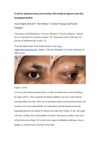
March 2024 in “Ophthalmic Plastic and Reconstructive Surgery” A pilomatrixoma in the eyebrow can cause hair loss and skin lightening.
August 2024 in “International Journal of Women’s Dermatology” Alopecia is common in severe cases of autosomal recessive congenital ichthyosis.
17 citations
,
May 2022 in “Cells and Development” Lichen spinulosus, usually seen in young people, can rarely occur in adults, as shown by a 52-year-old woman with a rough, bumpy rash.
May 2025 in “International Journal of Dermatology” 16 citations
,
June 1992 in “Journal of Investigative Dermatology” 18 citations
,
January 2018 in “BMC dermatology” A new mutation in the PLEC gene causes a rare condition with skin blistering, muscle weakness, and hair loss.
 1 citations
,
January 2014 in “Progress in Neurology and Psychiatry”
1 citations
,
January 2014 in “Progress in Neurology and Psychiatry” Skin diseases can cause psychological issues, and better integration of dermatology and psychiatry is needed to improve patient care.
The woman's skin and health issues were due to a severe zinc deficiency.
 June 2023 in “British Journal of Dermatology”
 British royals have had a notable history of skin problems.
11 citations
,
January 2009 in “World Journal of Gastroenterology” A woman with both Cronkhite-Canada syndrome and myelodysplastic syndrome improved significantly with corticosteroid treatment.
December 2019 in “Saintika Medika” A woman with lupus also developed a severe skin condition linked to a genetic factor.
 December 2023 in “Research Square (Research Square)”
 People with Down syndrome have higher rates of certain immune-related conditions and need special medical attention.
January 2016 in “Case reports in clinical medicine” A 6-year-old girl was diagnosed with a rare hair disorder called monilethrix.
June 2001 in “European Journal of Dermatology” A 54-year-old woman experienced progressive hair loss starting in adolescence, leading to sparse scalp hair and almost no eyebrows or eyelashes.
14 citations
,
September 2024 in “Arthritis & Rheumatology” Type I interferons may help treat skin issues in lupus and dermatomyositis.
May 2025 in “International Journal of Trichology” Oral Acitretin effectively resolved symptoms in a child with Netherton syndrome.
2 citations
,
March 2023 in “Frontiers in Medicine” Proper cleansing can resolve dermatosis neglecta, which may indicate underlying psychiatric issues.
April 2025 in “Dermatología Argentina” More skin lesions in lupus patients may indicate higher disease activity.