28 citations
,
July 2015 in “Dermatologic therapy” The combined therapy was effective and safe for children with severe alopecia areata.
19 citations
,
January 2022 in “Journal of Nanomaterials” NH-Tween-80 is a promising stable gel for treating acne.
 8 citations
,
April 1988 in “Journal of endocrinological investigation”
8 citations
,
April 1988 in “Journal of endocrinological investigation” Topical spironolactone cream doesn't cause hormone-related side effects in the body.
 December 2025 in “IP Indian Journal of Clinical and Experimental Dermatology”
 DNCB is more effective than betamethasone for hair regrowth but has more side effects.
 March 2025 in “JDDG Journal der Deutschen Dermatologischen Gesellschaft”
 Facial hyperpigmentation improved with oral isotretinoin and ivermectin cream after Demodex mites were identified as the cause.
 16 citations
,
December 2008 in “International Journal of Dermatology”
16 citations
,
December 2008 in “International Journal of Dermatology” Long-term use of pyrithione zinc shampoos remains effective for scalp seborrheic dermatitis, with decreased effectiveness likely due to not following treatment instructions rather than the treatment itself.
159 citations
,
July 2014 in “Molecular pharmaceutics” New micelle nanocarriers deliver Tacrolimus more effectively to skin layers for psoriasis treatment than the current Protopic ointment.
 69 citations
,
December 2015 in “Journal of Controlled Release”
69 citations
,
December 2015 in “Journal of Controlled Release” Nanocapsules can improve clobetasol delivery to hair follicles, reducing side effects.

Topical minoxidil often causes side effects like scalp irritation, but most users continue treatment.
24 citations
,
November 1992 in “Archives of Dermatology” Prednisone can regrow hair in alopecia areata, and minoxidil helps maintain it.
 January 2008 in “Abstracts”
 Minoxidil sulfate gel can be used to treat hair loss.
 3 citations
,
October 2014 in “Pharmaceutical Development and Technology”
3 citations
,
October 2014 in “Pharmaceutical Development and Technology” The study found a way to improve a skin-applied minoxidil formula using a specific design method.
October 2010 in “EUR Research Repository (Erasmus University Rotterdam)” A fungal skin infection was successfully treated with medication and compression therapy.
1 citations
,
January 1989 in “Carcinogenesis” Dexamethasone reduces inflammation and delays skin cell changes caused by TPA.
Fractional CO2 laser is more effective and safer than steroid injections for treating alopecia areata.
2 citations
,
September 1991 in “Indian Journal of Dermatology Venereology and Leprology” Minoxidil caused a skin reaction in a woman.

CG2001 is safe, well-tolerated, and a promising treatment for hair loss with fewer side effects.
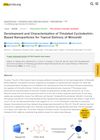
Thiolated cyclodextrin-based nanoparticles effectively deliver Minoxidil for scalp treatment without causing skin irritation.
15 citations
,
March 2019 in “Veterinary Dermatology” Three mousse products effectively reduced bacteria on dog hair for at least 10 days.
 3 citations
,
January 2023 in “Journal of Pharmaceutical Negative Results”
3 citations
,
January 2023 in “Journal of Pharmaceutical Negative Results” The emulgel with 11.5% oil and 1.75% gelling agent effectively delivers fluconazole topically with improved spreadability and stability.
5 citations
,
February 2016 in “Sultan Qaboos University medical journal” The patient had a severe itchy rash and hair loss in the armpits.
January 2015 in “프로그램북(구 초록집)” Epiduo® is an effective first-line acne treatment that reduces inflammation and combats antibiotic resistance.
 May 2017 in “IOSR journal of dental and medical sciences”
 Both Betasalic ointment and 5% minoxidil are effective and safe for treating Alopecia Areata.
 1 citations
,
April 2017 in “Journal of Investigative Dermatology”
1 citations
,
April 2017 in “Journal of Investigative Dermatology” Topical glucocorticoids thin the skin and change collagen structure.
 23 citations
,
June 2014 in “Journal of Pharmaceutical Sciences”
23 citations
,
June 2014 in “Journal of Pharmaceutical Sciences” Finasteride cream helps hair growth with less side effects.
December 2012 in “http://isrctn.org/>” 2 citations
,
March 2019 in “PubMed” Fusidic acid successfully treated a rare scalp infection with hair regrowth and no recurrence after 6 months.
July 2026 in “Dermatology Reports” The gel reduced folliculitis symptoms and was safe and well-received.
 August 2019 in “Reactions Weekly”
 Daclizumab may cause psoriasis-like skin problems in multiple sclerosis patients.

The optimal concentration for caffeine release in gel form is 0.2% caffeine and 2.3% chitosan.