April 2021 in “Journal of Investigative Dermatology” A deep learning model was developed to help diagnose trichothiodystrophy by analyzing hair patterns.
25 citations
,
May 1972 in “Canadian journal of zoology” Black-tailed deer have four types of pelages and molt twice a year.
December 2025 in “International Journal of Advanced Biochemistry Research” Malvi cattle hair varies in color and pattern across different body regions.
 October 2025 in “Journal of Veterinary Diagnostic Investigation”
 Black hair in cats has higher cortisol levels than white hair.
 5 citations
,
December 2018 in “Journal of The American Academy of Dermatology”
5 citations
,
December 2018 in “Journal of The American Academy of Dermatology” Some hair products can create false signs on scalp examinations, leading to wrong diagnoses.
8 citations
,
October 2011 in “Anthropologischer Anzeiger” Pubic hair is thicker than axillary and scalp hair, useful for forensic identification.
46 citations
,
June 2013 in “Journal of structural biology” High glycine–tyrosine keratin-associated proteins help make hair strong and maintain its shape.
2 citations
,
January 1990 July 2025 in “Journal of Integrated Health Sciences” Ayurvedic treatment effectively improved patchy hair loss using simple, cost-effective methods.
October 2023 in “Asian journal of pharmaceutical and clinical research” Standardized data is essential for diagnosing scalp and hair conditions in males.
 January 2026 in “Journal of Ayurveda and Integrated Medical Sciences”
 Pippalyadi Agad may help counteract harmful effects of toxic cosmetics.
December 2025 in “Zenodo (CERN European Organization for Nuclear Research)” Ayurvedic treatment successfully managed alopecia areata without side effects.
8 citations
,
January 1991 in “Soviet physics. Doklady”  2 citations
,
March 2014 in “Veterinary World”
2 citations
,
March 2014 in “Veterinary World” Indian bison, black buck, and nilgai have distinct hair follicle patterns useful for species identification.
 January 2024 in “International journal of Indian medicine”
 Ayurvedic practices can help prevent and manage hair problems.
7 citations
,
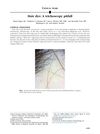
March 2004 in “Journal of the American Academy of Dermatology” Tiger tail banding and hair abnormalities are reliable indicators for diagnosing trichothiodystrophy.
 6 citations
,
March 2015 in “Journal of The American Academy of Dermatology”
6 citations
,
March 2015 in “Journal of The American Academy of Dermatology” Hair dye can make it hard to diagnose scalp conditions correctly.
 26 citations
,
August 2013 in “Australasian Journal of Dermatology”
26 citations
,
August 2013 in “Australasian Journal of Dermatology” Certain scalp patterns can indicate the severity and activity of hair loss in Turkish alopecia patients.
Dark hair with a red beard likely evolved for camouflage, not attraction.
24 citations
,
March 2008 in “Neuroscience Research” Cat paws have complex touch sensors for detailed sensory processing.
 April 2026 in “Zenodo (CERN European Organization for Nuclear Research)”
 Ayurvedic treatment significantly reduced alopecia areata symptoms.
May 2025 in “International Ayurvedic Medical Journal” Ayurvedic treatment effectively improved alopecia areata symptoms quickly and affordably.
 May 2026 in “Preprints.org”
 Dark-coated cats are more stressed, and adoption reduces stress in cats.
April 2026 in “Annals of Medicine” Low vitamin D levels are linked to Alopecia Areata.
January 2026 in “International journal of Indian medicine” Ayurvedic treatment can effectively regrow hair in alopecia areata without side effects.
 August 2024 in “International Journal of Ayurveda and Pharma Research”
 Ayurvedic care can help manage dandruff and improve well-being.
 1 citations
,
June 2020 in “IP Indian journal of clinical and experimental dermatology”
1 citations
,
June 2020 in “IP Indian journal of clinical and experimental dermatology” Yellow dots were the most common sign of alopecia areata found using trichoscopy.
199 citations
,
July 2007 in “General and Comparative Endocrinology” Hair cortisol can reliably indicate chronic stress in cats and dogs.
 March 2026 in “Zenodo (CERN European Organization for Nuclear Research)”
 Ayurvedic treatment can effectively and safely improve hair loss, dandruff, and itching.
1 citations
,
June 2023 in “Cosmoderma” Trichoscopy is better than the hair pull test for tracking alopecia areata.