23 citations
,
November 2018 in “International Journal of Molecular Sciences” Deoxyshikonin helps wounds heal faster in diabetic mice.
 21 citations
,
July 2020 in “Stem Cell Research & Therapy”
21 citations
,
July 2020 in “Stem Cell Research & Therapy” Fat stem cells from diabetic mice can still help heal wounds.
 15 citations
,
August 2020 in “American Journal of Pathology”
15 citations
,
August 2020 in “American Journal of Pathology” Insulin helps heal corneal wounds and nerves in diabetic mice by activating the Wnt signaling pathway.
2 citations
,
May 2020 in “Research Square (Research Square)” Stem cells from diabetic mice can still help heal wounds effectively.
March 2020 in “Research Square (Research Square)” Type 2 diabetic stem cells can still help heal wounds effectively.
 July 2026 in “Methods and Protocols”
 Diabetic mice have delayed wound healing with chronic wound characteristics.
 3 citations
,
May 2018 in “Biochemical and Biophysical Research Communications”
3 citations
,
May 2018 in “Biochemical and Biophysical Research Communications” iNOS contributes to hair loss in obese diabetic mice and blocking it may encourage hair growth.
June 2026 in “Precision medicine and engineering.” The hydrogel dressing RD@PVA helps heal diabetic wounds by reducing stress and improving blood vessel growth.
66 citations
,
July 2019 in “Journal of Investigative Dermatology” 34 citations
,
January 2022 in “Frontiers in Immunology” IL-25 helps heal diabetic wounds by improving blood vessel and skin cell functions.
 29 citations
,
March 2020 in “Stem Cell Research & Therapy”
29 citations
,
March 2020 in “Stem Cell Research & Therapy” Fat stem cells from diabetic mice can help heal skin wounds in other diabetic mice.
14 citations
,
June 2016 in “Biomaterials” MAA beads improved wound healing in male mice by activating the Shh pathway, but not in females.
 6 citations
,
April 2022 in “Journal of diabetes research”
6 citations
,
April 2022 in “Journal of diabetes research” Type 2 diabetes slows down skin and hair renewal by blocking important stem cell activation in mice.
 1 citations
,
June 2024 in “PLoS ONE”
1 citations
,
June 2024 in “PLoS ONE” HAP-cell-sheets improved wound healing in diabetic mice.
CyRL-QN15 peptide boosts hair growth in diabetic mice by activating specific cell pathways.
 November 2025 in “Frontiers in Pharmacology”
 Gentamicin-loaded exosomes improve healing of infected diabetic wounds in mice.
 February 2023 in “Research Square (Research Square)”
 Applying certain vesicles from umbilical cord stem cells helps heal skin wounds in diabetic mice by reducing cell death and inflammation.
November 2025 in “OPAL (Open@LaTrobe) (La Trobe University)” Gentamicin-loaded exosomes improve healing of infected diabetic wounds in mice.
November 2025 in “OPAL (Open@LaTrobe) (La Trobe University)” Gentamicin-loaded exosomes improve healing of infected diabetic wounds in mice.
 86 citations
,
March 2018 in “ACS Biomaterials Science & Engineering”
86 citations
,
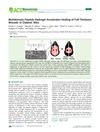
March 2018 in “ACS Biomaterials Science & Engineering” MDP hydrogel heals wounds faster and better than other treatments in diabetic mice.
 20 citations
,
May 1985 in “British journal of nutrition”
20 citations
,
May 1985 in “British journal of nutrition” Dietary essential fatty acids improved skin and hair conditions and partially corrected fat composition in diabetic mice.
6 citations
,
November 2022 in “Journal of Tissue Engineering and Regenerative Medicine” Zebularine improved skin structure but delayed wound healing in diabetic mice.
2 citations
,
September 2020 in “Swedish Journal of BioScience Research” Chitosan from Lucilia cuprina improves wound healing in diabetic mice treated with insulin.
Minoxidil and nebivolol can help prevent aortic aging in diabetic mice.
January 2013 in “Jiefangjun yixue zazhi” Finasteride reduced VEGF expression and microvascular density in diabetic mice.
 4 citations
,
September 2023 in “Stem cell research & therapy”
4 citations
,
September 2023 in “Stem cell research & therapy” Special particles from umbilical cord stem cells help heal skin wounds in diabetic mice by preventing certain immune cell death.
 April 2018 in “Journal of Investigative Dermatology”
 Blocking α-toxin helps heal Staphylococcus aureus-infected wounds faster in both normal and diabetic mice, with different effects on their immune responses.
 238 citations
,
March 2013 in “Development”
238 citations
,
March 2013 in “Development” Fat cells help recruit healing cells and build skin structure during wound healing.
 13 citations
,
November 2017 in “Journal of Cellular and Molecular Medicine”
13 citations
,
November 2017 in “Journal of Cellular and Molecular Medicine” The workshop discussed the role of a protein called calreticulin in health and disease, its potential as a treatment target, and its possible use as a disease marker.
 December 2024 in “JURNAL ANALIS LABORATORIUM MEDIK”
 Diabetic wounds heal slower than healthy wounds.