33 citations
,
March 1996 in “Veterinary Quarterly” Amitraz effectively treated ferrets with demodicosis without side effects.
April 2019 in “Journal of Investigative Dermatology” Targeting immune pathways like JAK/STAT may help treat frontal fibrosing alopecia.
 23 citations
,
January 2012 in “International Food Research Journal”
23 citations
,
January 2012 in “International Food Research Journal” Tofacitinib effectively treated a woman's severe symptoms from a rare autoimmune condition.
 October 2024 in “Asian Journal of Pharmaceutical and Clinical Research”
 Topical methotrexate is more effective and as safe as betamethasone for treating alopecia areata.
 1 citations
,
March 1999 in “British journal of rheumatology”
1 citations
,
March 1999 in “British journal of rheumatology” Adequate steroid treatment needed to limit bone loss in PMR patients.
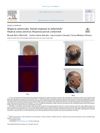
Tofacitinib and low-dose IL-2 may help maintain hair regrowth in alopecia areata without ongoing treatment.
 1 citations
,
July 2019 in “Medicina Clínica (English Edition)”
1 citations
,
July 2019 in “Medicina Clínica (English Edition)” Tofacitinib partially improved hair regrowth in a patient with severe hair loss.
 June 2026 in “Journal of General-Procedural Dermatology & Venereology Indonesia”
 Tofacitinib effectively improves lichen planus pigmentosus symptoms.
 5 citations
,
August 2018 in “PubMed”
5 citations
,
August 2018 in “PubMed” An 8-year-old with severe hair loss regrew all hair after six months of tofacitinib treatment.
 January 2021 in “Anais do Congresso Brasileiro de Reumatologia 2020”
 Tofacitinib improved arthritis and partially improved hair loss in a lupus patient without side effects.
1 citations
,
May 2024 in “Skin Appendage Disorders” Hair regrowth was achieved using 5-Fluorouracil and Bleomycin for scalp atrophy caused by corticosteroids.
1 citations
,
January 2023 in “Drug Development and Industrial Pharmacy” DMSO-liposomes improve finasteride delivery for hair loss treatment.
1 citations
,
January 1989 in “Carcinogenesis” Dexamethasone reduces inflammation and delays skin cell changes caused by TPA.
 7 citations
,
May 2015 in “Journal of The American Academy of Dermatology”
7 citations
,
May 2015 in “Journal of The American Academy of Dermatology” Finasteride helps treat frontal fibrosing alopecia, improving or stabilizing the condition in many patients.
19 citations
,
July 2004 in “Clinical and experimental dermatology” Acneiform follicular mucinosis can be controlled with systemic corticosteroids.
 March 2026 in “Dermatology and Therapy”
 Low-dose oral minoxidil helps improve hairline and eyebrow coverage in frontal fibrosing alopecia.
38 citations
,
August 2015 in “Drug Design Development and Therapy” Topical flutamide works as well as hydroquinone for melasma but needs more safety checks.
2 citations
,
June 2020 in “Clinical Journal of Gastroenterology” Tofacitinib effectively treated both ulcerative colitis and alopecia areata in two patients.
October 2020 in “Der Hautarzt” Tofacitinib helped regrow hair in a woman with alopecia areata.
2 citations
,
July 2022 in “The Kaohsiung Journal of Medical Sciences” FTY720 helps transplanted fat survive better by reducing immune rejection and improving blood vessel growth.
 May 2025 in “Frontiers in Pharmacology”
 Targeting gut microbiome and metabolome may help treat autoimmune skin diseases like alopecia areata.
222 citations
,
August 2014 in “Cell Metabolism” Mitochondrial Complex I reduces inflammation and increases bone breakdown by affecting certain immune cells.
 2 citations
,
December 2022 in “PNAS nexus”
2 citations
,
December 2022 in “PNAS nexus” SCD-153 shows promise as an effective topical treatment for alopecia areata.
April 2019 in “Journal of Investigative Dermatology” Frontal Fibrosing Alopecia involves disrupted cholesterol pathways, fibrosis, and increased mast cells.
April 2026 in “Case Reports in Dermatology” Tofacitinib effectively treated a woman's complex autoimmune and autoinflammatory disorders.
 17 citations
,
June 1996 in “The Journal of Steroid Biochemistry and Molecular Biology”
17 citations
,
June 1996 in “The Journal of Steroid Biochemistry and Molecular Biology” FCE 28260 is a stronger and longer-lasting inhibitor of 5α-reductase than finasteride, which may make it a better treatment for certain medical conditions.
1 citations
,
June 2016 in “FEBS open bio” Fish oil increased cell growth and macrophages in the skin but didn't affect COX-2 expression.
 December 2024 in “Cureus”
 Tirzepatide improved symptoms and hair regrowth in a man with folliculitis decalvans.
 3 citations
,
July 2021 in “Cutis”
3 citations
,
July 2021 in “Cutis” Panniculitis in dermatomyositis is rare, more common in women, and may persist despite treatment.
32 citations
,
October 2004 in “Experimental Dermatology” α-MSH may help treat skin inflammation and fibrosis.