 December 2025 in “MEDFARM Jurnal Farmasi dan Kesehatan”
 Topical metformin shows promise for treating skin conditions like acne and psoriasis.
 November 2025 in “Nanoscale Advances”
 Inorganic nanoparticle-based scaffolds can improve wound healing by fighting bacteria and helping tissue grow.
 September 2025 in “Cellular and Molecular Biology”
 Intraoperative corticosteroids reduce swelling, and early care lowers folliculitis risk in hair transplant donor sites.
 January 2025 in “Medical Research Archives”
 Low-level laser therapy can help with inflammation but isn't widely accepted yet.
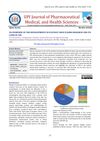 August 2024 in “UPI Journal of Pharmaceutical Medical and Health Sciences”
 PRP shows promise in musculoskeletal rehabilitation but needs standardized reporting for better outcomes.
 July 2024 in “Plastic and Aesthetic Research”
 Careful planning and accurate diagnosis are crucial for successful hair restoration surgery.
 June 2024 in “Archives of Plastic Surgery”
 Hair transplantation on a reconstructed scalp can effectively improve hair growth and appearance.
 March 2024 in “GSC Advanced Research and Reviews”
 Different light affects cell functions and can help treat skin conditions.
 December 2023 in “bioRxiv (Cold Spring Harbor Laboratory)”
 Aged individuals heal wounds less effectively due to specific immune cell issues.
 September 2023 in “Bangladesh Journal of Neurosurgery”
 Stereotactic Radiosurgery is an effective non-invasive treatment for cerebral AVM, with successful outcomes and minimal side effects.
 August 2023 in “Natural Resources for Human Health”
 Vegetarians should take B vitamin supplements to avoid health issues.

Inhibiting AP-1 changes skin tumor types and affects tumor cell identity.

Inhibiting AP-1 changes skin tumor types and affects tumor cell identity.
 June 2022 in “Al-Qadisiyah Journal of Veterinary Medicine Sciences”
 Combining povidone iodine and diode laser speeds up wound healing and infection control in mice.
 September 2021 in “Research Square (Research Square)”
 Not having enough or having too much of the protein Grainyhead-like 3 leads to various developmental problems.
 August 2020 in “Bioscience Biotechnology Research Communications”
 Topical anaesthesia reduces injection pain better than a vibrating device.
 February 2020 in “International Journal of Research in Dermatology”
 EPDS is a rare, chronic scalp condition that's hard to treat and needs better awareness for improved outcomes.
 January 2019 in “Springer eBooks”
 Platelet-rich plasma therapy may have benefits and is generally safe, but more research is needed to confirm its effectiveness and safety.
 November 2018 in “Springer eBooks”
 The document concludes that hair transplant methods are often selected for provider convenience over patient benefit, highlighting the need for less invasive techniques and careful physician involvement for better results.
 June 2018 in “Disease-a-Month”
 Remove inflamed cysts surgically, avoid topical antibiotics on wounds, treat skin and mouth conditions with specific medications, and address underlying causes of hair loss.
 April 2018 in “The journal of investigative dermatology/Journal of investigative dermatology”
 Li2CO3 improved skin disease in a mouse model of Focal Dermal Hypoplasia without toxicity.

Tailored nonsurgical cosmetic procedures are crucial for safely treating diverse skin types, especially skin of color.
 April 2015 in “Plastic and Reconstructive Surgery”
 TLR3 activation helps improve skin and hair follicle healing in mice.
 January 2014 in “Durham e-Theses (Durham University)”
 Notch1 helps skin heal by attracting cells that aid repair.
 September 2013 in “Science”
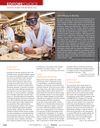
 The document concludes that human astrocytes aid stroke recovery, research confidence affects student career aspirations, collagen affects cancer spread, a microRNA suppresses brain cancer growth, calmodulin regulates water channels, and small magnesium pieces deform differently.
 September 2013 in “Science”
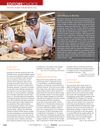
 Human stem cells can aid stroke recovery, research experiences boost students' career aspirations, minoxidil may reduce cancer spread, a molecule can slow tumor growth, a protein affects water flow in cells, magnesium behaves differently at tiny scales, and a new method detects slow-moving objects.
 September 2013 in “Science”
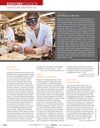
 Special astroglia cells improved stroke recovery in rats, a hair growth drug reduced cancer spread, and tiny magnesium structures were more easily shaped.
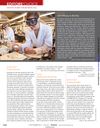 September 2013 in “Science”
 Special astrocytes improved learning and memory in rats after a stroke.
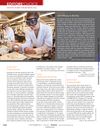 September 2013 in “Science”
 Transplanted human Olig2+ astroglia may help improve learning and memory after a stroke.
Wound healing is complex and requires more research to enhance treatment methods.