 December 2025 in “Cureus”
 Localized dystrophic epidermolysis bullosa (DEB) can lead to scarring alopecia, highlighting the need to recognize and address this complication.
 December 2025 in “Clinical Cosmetic and Investigational Dermatology”
 A rare lupus case on the chin was successfully treated with steroids and immunomodulators after accurate diagnosis using advanced imaging techniques.
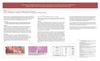 November 2025 in “SKIN The Journal of Cutaneous Medicine”
 Granuloma faciale can occur on the scalp, especially in people with advanced hair loss, and may improve with treatment.
 May 2025 in “The Journal of Rheumatology”
 A woman with skin and joint issues progressed from one type of lupus to another, highlighting the need to recognize complex conditions.
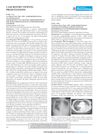 May 2025 in “The Journal of Rheumatology”
 Early diagnosis and treatment are crucial for CAPS, and Eculizumab can be effective.
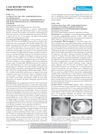 May 2025 in “The Journal of Rheumatology”
 Trans-esophageal echocardiography is crucial for accurately diagnosing heart issues in lupus patients.
 May 2025 in “The Journal of Rheumatology”
 Chronic granulomatous disease may be linked to developing systemic lupus erythematosus.
 May 2025 in “The Journal of Rheumatology”
 Anifrolumab may help improve symptoms in patients with overlapping autoimmune diseases.
 May 2025 in “The Journal of Rheumatology”
 Proactive physical therapy improved mobility, reduced fatigue, and pain in lupus patients.
 May 2025 in “The Journal of Rheumatology”
 Mixed Connective Tissue Disease can develop from overlapping symptoms of several autoimmune diseases, making diagnosis complex.
 May 2025 in “The Journal of Rheumatology”
 Anti-CD19 therapy may help treat SLE and NMOSD.
 May 2025 in “The Journal of Rheumatology”
 Early recognition and management of gastrointestinal tuberculosis in lupus patients are crucial to prevent complications.
 May 2025 in “The Journal of Rheumatology”
 Catatonia can be a rare sign of lupus, needing careful diagnosis and treatment.
 May 2025 in “The Journal of Rheumatology”
 Purpura fulminans can signal underlying autoimmune disorders, not just infections.
 May 2025 in “The Journal of Rheumatology”
 Lupus patients in Ghana face healthcare challenges, and the Oyemam Autoimmune Foundation is working to improve awareness and support.
 May 2025 in “The Journal of Rheumatology”
 Atypical symptoms in lupus can indicate different kidney issues.
 May 2025 in “The Journal of Rheumatology”
 Correct diagnosis is crucial for treating overlapping conditions like NMOSD and SLE effectively.
 May 2025 in “The Journal of Rheumatology”
 Middle-aged women with dilated cardiomyopathy should be screened for antiphospholipid syndrome.
 May 2025 in “The Journal of Rheumatology”
 Early recognition and a team approach are crucial for managing diffuse alveolar hemorrhage in antiphospholipid syndrome.
 May 2025 in “The Journal of Rheumatology”
 Antiphospholipid syndrome can severely damage adrenal glands, requiring early diagnosis and treatment.
 May 2025 in “The Journal of Rheumatology”
 SLE can cause unusual gastrointestinal symptoms, and immunosuppressive therapy can be effective.

Brunsting-Perry pemphigoid can cause scarring hair loss and may be underdiagnosed.
 February 2025 in “Quality in Sport”
 Pregnancy-related skin disorders need accurate diagnosis and treatment to prevent risks to the baby.
 January 2025 in “Universidad de Córdoba Insitutional Repository (Universidad de Córdoba)”
 An imbalanced scalp microbiome may worsen alopecia areata severity and inflammation, but treatment can partially restore balance.
 December 2024 in “Texila international journal of public health”
 Trichoscopy effectively diagnoses and monitors cicatricial alopecias, reducing the need for biopsies.
 July 2024 in “Plastic and Aesthetic Research”
 Careful planning and accurate diagnosis are crucial for successful hair restoration surgery.
 September 2023 in “Cureus”
 Nails can reveal important health information about skin and body conditions.

Clinical signs don't match inflammation levels in lichen planopilaris and frontal fibrosing alopecia.
COVID-19 may lead to severe skin necrosis without clear underlying causes, as seen in a diabetic patient who required leg amputation.
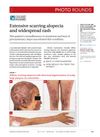 March 2022 in “The Journal of Family Practice”
 Following treatment plans is crucial to prevent worsening skin and hair conditions.