 April 2017 in “Journal of Investigative Dermatology”
 Eating a lot of fat increases PKCβ and inflammation in skin fat cells, which affects skin and hair health.
 56 citations
,
December 2011 in “The Plant Journal”
56 citations
,
December 2011 in “The Plant Journal” AGD1 is important for root hair development in Arabidopsis, working with phosphoinositide signaling and the actin cytoskeleton.
1 citations
,
July 2006 in “Journal of Investigative Dermatology” A 4kb fragment of the desmocollin 3 promoter targets gene expression to specific skin and hair follicle areas.
January 2001 in “Acta Academiae Medicine Militaris Tertiae” K14 expression in young rats differs from adults.
 92 citations
,
January 2012 in “International Journal of Biological Sciences”
92 citations
,
January 2012 in “International Journal of Biological Sciences” The document introduced a new naming system for keratin-associated proteins to improve clarity and communication across species.
 2 citations
,
May 2021 in “Research Square (Research Square)”
2 citations
,
May 2021 in “Research Square (Research Square)” Ketoconazole loaded solid lipid nanoparticles can penetrate skin better than regular drug suspension and marketed product, providing slow, sustained release and improved stability.
Suppressing ODC activity reduces tumor growth in hair follicles.
 8 citations
,
March 2015 in “Neuromuscular Disorders”
8 citations
,
March 2015 in “Neuromuscular Disorders” People with Myotonic Dystrophy type 1 are more likely to have certain skin conditions, but not more likely to get skin cancer.
 20 citations
,
August 2014 in “PloS one”
20 citations
,
August 2014 in “PloS one” MED1 affects skin wound healing differently in young and old mice.
March 2007 in “Journal of Cell Science” K10 may not prevent tumors as previously thought and might increase benign tumor risk.
 November 2022 in “The journal of investigative dermatology/Journal of investigative dermatology”
 The STRIPAK complex is crucial for skin cell organization and creating a functional skin barrier.
 42 citations
,
January 2017 in “Genes”
42 citations
,
January 2017 in “Genes” The gene KAP22-1 affects wool yield and fiber shape in sheep.
45 citations
,
March 1997 in “Journal of Investigative Dermatology” TCDD changes skin gene expression and may harm skin health.
17 citations
,
June 2003 in “The journal of investigative dermatology. Symposium proceedings/The Journal of investigative dermatology symposium proceedings” Mutations in hKAP1 genes may cause hereditary hair disorders.
December 2024 in “Journal of Health and Beauty” Dongeui Hot Spring Water Complex with sea slug extract may help prevent hair loss by boosting antioxidants and promoting hair cell growth.
 April 2023 in “Journal of Investigative Dermatology”
 The document's conclusion cannot be provided because the content is not accessible.
36 citations
,
March 2011 in “Stem Cell Reviews and Reports”  3 citations
,
September 2020
3 citations
,
September 2020 Dyclonine can effectively reduce skin issues by inhibiting the TRPV3 channel.
53 citations
,
August 2005 in “The Journal of Cell Biology” Sgk3 is essential for normal hair follicle growth and maintenance.
 4 citations
,
May 2025 in “npj Parkinson s Disease”
4 citations
,
May 2025 in “npj Parkinson s Disease” PINK1 is important for controlling gut immune responses linked to early Parkinson's disease.
 3 citations
,
January 2023 in “American journal of physiology. Cell physiology”
3 citations
,
January 2023 in “American journal of physiology. Cell physiology” Inward rectifier potassium channels are important in many body functions and diseases, and could be potential drug targets.
May 2025 in “Experimental Dermatology” A new genetic tool improves the study of hair growth and potential hair disorder treatments.
22 citations
,
July 1998 in “Journal of Investigative Dermatology” The 4C32 gene may help in mouse skin development and differentiation.
34 citations
,
September 2010 in “Clinical and Experimental Dermatology” A new gene mutation linked to KID syndrome was found, expanding genetic knowledge.
July 2024 in “Journal of Investigative Dermatology” CRISPR/Cas9 and prime editing can potentially fix skin disorder genes safely and effectively.
2 citations
,
February 2021 in “FEBS open bio” Human hair keratins K85 and K35 create unique filament patterns important for early hair formation.
 98 citations
,
June 2001 in “Journal of biological chemistry/The Journal of biological chemistry”
98 citations
,
June 2001 in “Journal of biological chemistry/The Journal of biological chemistry” A cluster of sulfur-rich hair protein genes was found on chromosome 17.
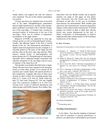 January 1999 in “Journal of the European Academy of Dermatology and Venereology”
 RAPK is a rare skin disorder with pigmented spots, mainly on hands and feet, starting in youth.
 10 citations
,
November 1997 in “British Journal of Dermatology”
10 citations
,
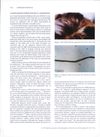
November 1997 in “British Journal of Dermatology” A 10-year-old boy had the earliest reported case of hair that became progressively kinkier but eventually returned to normal on its own.
4 citations
,
October 2021 in “Journal of Clinical Medicine” Carriers of a specific gene mutation have subtle skin changes without visible symptoms.