 34 citations
,
February 2016 in “Fertility and Sterility”
34 citations
,
February 2016 in “Fertility and Sterility” More PDCD4 is linked to obesity, insulin problems, and cell death in ovaries for those with polycystic ovary syndrome.
 171 citations
,
July 2007 in “Journal of Investigative Dermatology”
171 citations
,
July 2007 in “Journal of Investigative Dermatology” A substance called DKK-1 increases in balding areas and causes hair cells to die when exposed to DHT.
 4 citations
,
January 2001 in “Archives of Biochemistry and Biophysics”
4 citations
,
January 2001 in “Archives of Biochemistry and Biophysics” Activated ras can protect kidney cells from a certain substance that causes cell death.
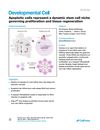 25 citations
,
June 2021 in “Developmental Cell”
25 citations
,
June 2021 in “Developmental Cell” Dying cells can help with faster healing and new hair growth by releasing a growth-promoting molecule.
180 citations
,
April 2002 in “Cell Death and Differentiation” 36 citations
,
May 2005 in “BMC dermatology” DPCP is effective for treating severe alopecia areata, but relapse is common.
74 citations
,
September 2003 in “The Journal of Immunology” Activating PKCα in skin causes cell death and inflammation through different pathways.
 March 1998 in “Journal of dermatological science”
 Diphencyprone initially increases mouse hair growth, then slows it, possibly due to changes in specific protein levels.
 6 citations
,
August 2005 in “The Journal of Clinical Endocrinology & Metabolism”
6 citations
,
August 2005 in “The Journal of Clinical Endocrinology & Metabolism” Finasteride causes temporary cell death in BPH tissues.
 April 2023 in “The journal of investigative dermatology/Journal of investigative dermatology”
 The protein p21 is more abundant in normal skin cells than in melanoma cells and may help protect against melanoma, with UVB light affecting its levels.
53 citations
,
September 2013 in “Journal of Investigative Dermatology” Hair follicle cells help protect against immune attacks by regulating T-cell activity.
7 citations
,
March 2024 in “Non-coding RNA Research” DNA methylation of miR-365-1 causes hair follicle stem cell death by affecting DAP3.
 27 citations
,
May 2007 in “Archives of dermatological research”
27 citations
,
May 2007 in “Archives of dermatological research” Diphencyprone treatment increases CD8 lymphocytes in the scalp, which is associated with hair regrowth in alopecia areata patients.
83 citations
,
October 2012 in “International Journal of Oncology” Wedelolactone selectively kills prostate cancer cells without harming normal cells.
10 citations
,
June 2019 in “Dermatologic therapy” DPCP alone is more effective and safer for treating chronic extensive alopecia areata than combining it with anthralin.
375 citations
,
June 2013 in “Biochimica et biophysica acta. Molecular cell research” Cornification is how skin cells die to form the protective outer layer of skin, hair, and nails.
 3 citations
,
January 2018 in “Biomedical dermatology”
3 citations
,
January 2018 in “Biomedical dermatology” Green tea extract helps prevent cell death and supports cell survival in hair cells exposed to a chemotherapy drug.
 2 citations
,
August 2019 in “Journal of skin and stem cell”
2 citations
,
August 2019 in “Journal of skin and stem cell” The study concludes that regulating apoptosis could lead to new treatments for various skin and hair conditions.
 60 citations
,
June 1997 in “Journal of The American Academy of Dermatology”
60 citations
,
June 1997 in “Journal of The American Academy of Dermatology” Apoptosis is crucial for healthy skin and treating skin diseases.
3 citations
,
April 2024 in “JAAD Case Reports” DPCP may be safe for treating alopecia during pregnancy, but more research is needed.
22 citations
,
March 1999 in “International Journal of Clinical Practice” Diphencyprone (DCP) is an effective treatment for severe alopecia areata and resistant warts, with some risks.
 11 citations
,
May 2016 in “Naunyn-Schmiedeberg's Archives of Pharmacology”
11 citations
,
May 2016 in “Naunyn-Schmiedeberg's Archives of Pharmacology” A substance called 15-deoxy prostaglandin J2 can cause hair follicle cells to die, which might explain how prostaglandin D2 can lead to hair loss.
3 citations
,
July 2023 in “International Journal of Trichology” DPCP can help regrow hair in some people with severe alopecia.
1 citations
,
August 2016 DHA derivatives, especially didocosahexaenoin, effectively kill prostate cancer cells and may offer a safer cancer treatment option.
1 citations
,
August 2024 in “Journal of Pharmacy & Pharmaceutical Sciences” The DPCP/HPβCD complex improves solubility and anti-inflammatory effects for alopecia areata treatment.
January 2011 in “Archivio Istituzionale della Ricerca (Universita Degli Studi Di Milano)” New molecules can prevent cell death in hair follicles.
 120 citations
,
February 2009 in “Apoptosis”
120 citations
,
February 2009 in “Apoptosis” Understanding how cells die in the skin is important for treating skin diseases and preventing hair loss.
14 citations
,
August 2014 in “Journal of the American Academy of Dermatology” Diphenylcyclopropenone (DPCP) is effective in treating alopecia areata, with most patients showing significant hair regrowth.
 October 2023 in “Oncotarget”
 Apoptotic cells help cause hair follicle cell death during regression.
87 citations
,
March 2017 in “Journal of Clinical Investigation” PSENEN gene mutations can cause both Dowling-Degos disease and acne inversa.