 110 citations
,
August 2016 in “Drugs”
110 citations
,
August 2016 in “Drugs” Minoxidil is the only FDA-approved topical drug for treating male or female pattern hair loss, and other medications like finasteride and dutasteride can also increase hair growth.
 102 citations
,
February 2008 in “The FASEB Journal”
102 citations
,
February 2008 in “The FASEB Journal” One minoxidil-sensitive potassium channel exists in human hair follicles.
53 citations
,
June 2020 in “The journal of allergy and clinical immunology/Journal of allergy and clinical immunology/The journal of allergy and clinical immunology” Animal models help study psoriasis but have limitations and don't fully mimic the human disease.
 48 citations
,
February 2017 in “Journal of Cosmetic Dermatology”
48 citations
,
February 2017 in “Journal of Cosmetic Dermatology” The conclusion is to use scalp cooling, gentle hair care, and treatments like minoxidil for managing hair loss from chemotherapy, and stresses the need for more research and collaboration in this area.
 48 citations
,
May 2008 in “Drug Discovery Today: Disease Mechanisms”
48 citations
,
May 2008 in “Drug Discovery Today: Disease Mechanisms” Hair follicles offer promising targets for delivering drugs to treat hair and skin conditions.
24 citations
,
March 2020 in “Cells” Natural small molecules can help treat diseases by activating or inhibiting the Wnt pathway.
 15 citations
,
January 2018 in “Acta dermato-venereologica”
15 citations
,
January 2018 in “Acta dermato-venereologica” Skin treatment can lower life quality for patients with skin conditions.
 12 citations
,
July 2020 in “International Journal of Pharmaceutics”
12 citations
,
July 2020 in “International Journal of Pharmaceutics” Iron oxide nanoparticles improve skin penetration and drug release for hair loss treatment.
 12 citations
,
December 2017 in “Journal of Investigative Dermatology Symposium Proceedings”
12 citations
,
December 2017 in “Journal of Investigative Dermatology Symposium Proceedings” Platelet-rich plasma and microneedling could potentially help hair growth in people with alopecia areata, but more research is needed.
3 citations
,
November 2025 in “Biomimetics” Hydrogels show promise in preventing and treating skin damage from radiation therapy.
2 citations
,
April 2024 in “Anais Brasileiros de Dermatologia” Pre-existing skin conditions and drug reactions are the main causes of exfoliative erythroderma.
 1 citations
,
January 2023 in “Research Square (Research Square)”
1 citations
,
January 2023 in “Research Square (Research Square)” A woman's vitiligo improved with tofacitinib treatment, and her skin color remained even after stopping the medication, but there are concerns about cancer risk.
July 2026 in “Frontiers in Bioengineering and Biotechnology” Microbioreactors improve cell-based therapies and personalized medicine but face scalability challenges.
 March 2026 in “Journal of Drug Delivery and Therapeutics”
 Aloe vera is effective and safe for skin and hair care.
 March 2025 in “Expert Opinion on Drug Discovery”
 New drug strategies are needed for better hair loss treatments.
 October 2024 in “International Journal of Pharmaceutical Sciences Review and Research”
 A 5% minoxidil spray could effectively treat male baldness with fewer side effects and better patient comfort.
 November 2023 in “Research Portal Denmark”
 Baricitinib shows promise for severe alopecia areata but isn't a cure and has side effects.
 November 2023 in “Frontiers in pharmacology”
 Drug repositioning offers hope for new, affordable treatments for a genetic skin disorder called ARCI.
 August 2022 in “Gene Reports”
 New hair loss treatments could be improved by using combined biological markers.
 May 2022 in “Liver transplantation”
 The document explains how the immune system reacts to organ transplants and the treatments used to prevent rejection.
 January 2022 in “Clinical Cases in Dermatology”
 Some hair loss from medication may reverse after stopping the drug, but treatment options are limited and ongoing research is needed.
 November 2021 in “Austin therapeutics”
 Current treatments for hair loss from chemotherapy are limited, but new methods are being researched.
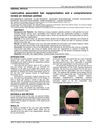
Lamivudine might reverse hair graying and needs more research for potential treatments.
 July 2018 in “Elsevier eBooks”
 Some drugs can cause reversible hair loss, but certain chemotherapy drugs may lead to permanent hair loss; drugs can also change hair color and texture.
 October 2015 in “Medical Clinics of North America”
 The document summarizes important skin care topics for non-specialist doctors, including treatments for skin conditions and the management of skin diseases.
 June 2015 in “Biomedical and biopharmaceutical research”
 The congress showed advancements in skin hydration, barrier function, and safe, effective new cosmetic formulations.
September 1998 in “JEADV. Journal of the European Academy of Dermatology and Venereology/Journal of the European Academy of Dermatology and Venereology” Intermittent isotretinoin can cause various skin, hair, and nail changes.
January 2021 in “International Journal of Research in Dermatology” Combination therapies are more effective for treating androgenetic alopecia than single treatments.
 June 1996 in “Archives of Dermatology”
 Minoxidil, tretinoin, and finasteride may help hair regrowth in mild to moderate androgenetic alopecia.
 18 citations
,
February 2015 in “Acta Crystallographica Section D: Structural Biology”
18 citations
,
February 2015 in “Acta Crystallographica Section D: Structural Biology” The study concludes that certain domains in Clostridium histolyticum enzymes are structurally unique, bind calcium to become more stable, and play distinct roles in breaking down collagen, with potential applications in medicine and drug delivery.