 15 citations
,
November 2020 in “Pharmaceutics”
15 citations
,
November 2020 in “Pharmaceutics” Tofacitinib nanoparticles can safely and effectively treat alopecia areata by targeting hair follicles.
 218 citations
,
April 2008 in “Genes & Development”
218 citations
,
April 2008 in “Genes & Development” Skin stem cells help repair damage and maintain healthy skin.
 202 citations
,
June 2005 in “Aaps Pharmscitech”
202 citations
,
June 2005 in “Aaps Pharmscitech” Lecithin organogels could be good for applying drugs to the skin because they are stable, safe, and can improve drug absorption.
 118 citations
,
May 2015 in “European journal of pharmaceutics and biopharmaceutics”
118 citations
,
May 2015 in “European journal of pharmaceutics and biopharmaceutics” The hydrogel with a 1:3 ratio of hydroxyethyl cellulose to hyaluronic acid is effective for delivering drugs through the skin to treat acne.
 16 citations
,
December 2018 in “ACS Biomaterials Science & Engineering”
16 citations
,
December 2018 in “ACS Biomaterials Science & Engineering” The new patch made of cell matrix and a polymer improves wound healing and supports blood vessel growth.
 5 citations
,
April 2022 in “Frontiers in Medicine”
5 citations
,
April 2022 in “Frontiers in Medicine” Hair and skin healing involve complex cell interactions controlled by specific molecules and pathways, and hair follicle cells can help repair skin wounds.
 July 2025 in “International Journal of Pharmaceutical Research and Development”
 Exosomes can improve skin treatments with fewer side effects.
 January 2023 in “Theranostics”
 Mechanical force is important for the first contact between skin cells and hair growth in mini-organs.
 2 citations
,
August 2023 in “Pharmaceutics”
2 citations
,
August 2023 in “Pharmaceutics” New skin disease treatments using TDDS are improving but face challenges like side effects and high costs.
7 citations
,
January 1992 in “Skin Pharmacology and Physiology” Minoxidil binds to hair pigment but doesn't affect hair growth.
 2 citations
,
January 2014 in “Elsevier eBooks”
2 citations
,
January 2014 in “Elsevier eBooks” The document concludes that reactivation of herpesviruses, especially HHV-6, is linked to severe symptoms and complications in drug-induced hypersensitivity syndrome.
 151 citations
,
July 2011 in “Archives of Dermatological Research”
151 citations
,
July 2011 in “Archives of Dermatological Research” Liposomal systems show promise for delivering drugs through the skin but face challenges like high costs and stability issues.
 84 citations
,
July 2008 in “Aaps Pharmscitech”
84 citations
,
July 2008 in “Aaps Pharmscitech” Ethosomes improve finasteride delivery through skin for hair loss treatment.
 15 citations
,
October 2012 in “InTech eBooks”
15 citations
,
October 2012 in “InTech eBooks” Niosomes are a promising and effective way to deliver drugs through the skin.
 141 citations
,
November 2005 in “International journal of pharmaceutics”
141 citations
,
November 2005 in “International journal of pharmaceutics” Hair follicles may soon be used more for targeted and systemic drug delivery.
48 citations
,
January 2024 in “Frontiers in Pharmacology” Improving topical drug delivery involves overcoming skin barriers and using personalized dosing to enhance effectiveness.
 25 citations
,
December 2013 in “Journal of Investigative Dermatology Symposium Proceedings”
25 citations
,
December 2013 in “Journal of Investigative Dermatology Symposium Proceedings” New methods like nanoparticles and microneedles show promise for better skin drug delivery, especially for hair disorders.
 14 citations
,
January 2016 in “Elsevier eBooks”
14 citations
,
January 2016 in “Elsevier eBooks” Liposomes improve the delivery and effectiveness of cosmetic ingredients but face challenges like cost and stability.
 10 citations
,
May 2016 in “Polymer”
10 citations
,
May 2016 in “Polymer” New nanocarriers improve skin drug delivery with low toxicity at certain concentrations.
 9 citations
,
October 2013 in “Drug Delivery”
9 citations
,
October 2013 in “Drug Delivery” Ethosomal carriers effectively deliver hair loss drug into skin.
 57 citations
,
September 2017 in “Journal of controlled release”
57 citations
,
September 2017 in “Journal of controlled release” Nanocarrier-loaded gels improve drug delivery for cancer, skin conditions, and hair loss.
6 citations
,
January 2023 in “International journal of molecular sciences” Mast cells and CD8 T cells interact closely in skin diseases, affecting each other's behavior and contributing to conditions like psoriasis and eczema.
 128 citations
,
March 2016 in “Advanced Pharmaceutical Bulletin”
128 citations
,
March 2016 in “Advanced Pharmaceutical Bulletin” Smaller nanoparticles penetrate skin better, especially through hair follicles.
 7 citations
,
February 2018 in “International Journal of Pharmaceutics”
7 citations
,
February 2018 in “International Journal of Pharmaceutics” Researchers developed a method to measure drugs in hair follicles and found that both water-loving and fat-loving drugs can be detected after being applied to the skin.
4 citations
,
February 2025 in “Pharmaceuticals” Voglibose may help treat skin hyperpigmentation safely.
 3 citations
,
February 2021 in “Experimental dermatology”
3 citations
,
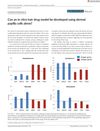
February 2021 in “Experimental dermatology” Dermal papilla microtissues could be useful for initial hair growth drug testing.
 April 2025 in “Journal of Digestive Cancer Research”
 Milk-derived vesicles are promising for delivering drugs orally and treating various conditions.
 September 2023 in “Current opinion in microbiology”
 Certain fungi protect skin health, but changes can allow harmful fungi to cause serious infections, needing more research for treatment and control.
 September 2024 in “International Journal of Pharmaceutical Quality Assurance”
 Nanoemulgels improve skin disorder treatment by delivering drugs more effectively and reducing application frequency.
 68 citations
,
March 2002 in “Journal of pharmaceutical sciences”
68 citations
,
March 2002 in “Journal of pharmaceutical sciences” Nonionic liposomes are the best for delivering genes to skin cells.