96 citations
,
September 1996 in “PubMed” Desmocollin 1 and 3 have distinct patterns in human tissues, with Dsc1 in specific skin and hair layers and Dsc3 in various epithelial layers.
 10 citations
,
January 2013 in “Stem Cells and Development”
10 citations
,
January 2013 in “Stem Cells and Development” Scientists identified a unique type of human skin stem cell that could help with tissue repair.
19 citations
,
August 2019 in “Journal of Cellular Biochemistry” ADSCs help protect skin from UV damage and aging.
47 citations
,
August 2016 in “American Journal Of Pathology” Fibroblast changes in systemic sclerosis may help understand disease severity and treatment.
June 2023 in “American Journal of Dermatopathology” Young women in Jamaica often experience chronic scarring hair loss.
25 citations
,
November 2015 in “Journal of Dermatological Science” Sebum helps protect human skin from microbes.
November 2025 in “Journal of Investigative Dermatology” Certain immune cells in atopic dermatitis skin could be targeted for treatment.
36 citations
,
September 1996 in “PubMed” DP and DS cells are different from DF cells in structure and function.
 November 2022 in “Journal of Investigative Dermatology”
 Aging in one type of stem cell can cause aging-like changes in various organs.
 12 citations
,
February 2013 in “The Open Stem Cell Journal”
12 citations
,
February 2013 in “The Open Stem Cell Journal” DPSCs and SHED have great potential for medical treatments and tissue repair.
 20 citations
,
May 2016 in “Journal of Cutaneous Pathology”
20 citations
,
May 2016 in “Journal of Cutaneous Pathology” Using CD123 to detect certain immune cells helps diagnose a type of hair loss condition.
7 citations
,
August 2008 in “Immunogenetics” A gene mutation in mice causes increased mast cells and disorganized hair follicles in their skin.
7 citations
,
January 2021 in “bioRxiv (Cold Spring Harbor Laboratory)” Skin cells control immune cell placement, helping the skin respond better to challenges.
7 citations
,
September 1980 in “Zoological Journal of the Linnean Society” Dendritic cells help regulate skin development and hair growth in mice.
 24 citations
,
November 2016 in “Cell death and disease”
24 citations
,
November 2016 in “Cell death and disease” Skin-derived stem cells can become various cell types, including germ cell-like and oocyte-like cells.
89 citations
,
May 2005 in “Stem Cells” Mouse skin has special cells in the epidermis that decrease with age and are linked to keratinocyte stem cells.
January 2024 in “Wiadomości Lekarskie” DEC cells show promise as a safe and effective treatment for Duchenne muscular dystrophy.
September 2015 in “International Society of Hair Restoration Surgery” Hair follicle stem cells could lead to new hair loss treatments.
56 citations
,
November 1958 in “The Journal of Cell Biology” A unique skin cell similar to hair bulb melanocytes was identified, with better preservation using permanganate fixation.
1 citations
,
September 2019 in “Journal of Investigative Dermatology” Anti-Desmocollin 3 antibodies can cause pemphigus-like symptoms in mice.
 11 citations
,
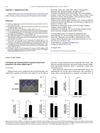
June 2012 in “Journal of Dermatological Science”
11 citations
,
June 2012 in “Journal of Dermatological Science” Scientists identified a group of human skin cells with high growth and regeneration potential.
28 citations
,
July 2005 in “Journal of Investigative Dermatology” Sca-1+ cells in newborn mouse skin may become fat cells.
 1 citations
,
May 2026 in “Nature Communications”
1 citations
,
May 2026 in “Nature Communications” CD19-CAR T cell therapy may help regenerate skin in systemic sclerosis.
24 citations
,
March 2022 in “Stem Cell Research & Therapy” Dendritic epidermal T cells help wounds heal faster by boosting skin stem cell growth.
 February 2026 in “Dermatology Reports”
 Trichoscopy helps diagnose and treat dissecting cellulitis early, preventing scarring.
October 2021 in “The journal of investigative dermatology/Journal of investigative dermatology” Desmoglein 3 is important for keeping hair follicle stem cells inactive and maintaining their special properties.
 April 2018 in “Journal of Investigative Dermatology”
 Dsg1 is essential for maintaining a healthy skin barrier in mice.

Proper niche formation in Drosophila requires Slit-Robo signaling for cell migration.
15 citations
,
November 2020 in “Development” Stem cells in the eye have different roles and behaviors, helping maintain and repair the eye's surface.
 April 2025 in “Cellular and Molecular Biology”
 Human dermal stem/progenitor cells can divide and differentiate more than hair follicle dermal papilla cells.