1 citations
,
August 2019 Anti-Desmocollin 3 antibodies can cause atypical pemphigus symptoms.
 June 2020 in “Annals of the Rheumatic Diseases”
 Patients with Systemic Sclerosis have much higher levels of GDF-15, which could help predict organ involvement and guide treatment.
 4 citations
,
November 2016 in “Journal of Cutaneous Pathology”
4 citations
,
November 2016 in “Journal of Cutaneous Pathology” Three characteristics of plasmacytoid dendritic cells help tell apart lupus-related hair loss from LPP.
41 citations
,
July 2016 in “Journal of Investigative Dermatology” Dysplastic nevi have unique gene expressions, making them distinct from common melanocytic nevi.
October 2025 in “Preprints.org” Adipose mesenchymal stem cells are best for skincare because they reduce inflammation and are safe and effective.
 February 2026 in “Nature Communications”
 A specific group of immune and skin cells may cause chronic inflammation in atopic dermatitis.
50 citations
,
August 2021 in “Stem Cell Research & Therapy” Adipose-derived stem cells help heal radiation skin damage by reducing cell death and inflammation.
3 citations
,
April 2012 in “Cancer research” Mouse skin cancer progression involves a unique group of cells marked by ABCG2 and MTS24.
January 2017 in “PRISM (University of Calgary)” Unique genes in hair follicle cells help tissue regeneration.
20 citations
,
November 2021 in “Biomedicines” Adipose-derived stem cells show promise in treatments but need more research for safety, especially in cancer.
 18 citations
,
August 2021 in “PLoS ONE”
18 citations
,
August 2021 in “PLoS ONE” Melanocyte progenitor cells are found in human fat tissue and can become mature melanocytes, which may help treat skin issues.
387 citations
,
May 2019 in “International Journal of Molecular Sciences” Adipose-derived stem cells are promising for regenerative medicine due to their accessibility, versatility, and low risk of immune rejection.

Dual TCR Treg cells are common in various mouse tissues and show diverse characteristics.

Dual TCR Treg cells are common in mouse tissues and vary by location.
 155 citations
,
May 2016 in “Nature communications”
155 citations
,
May 2016 in “Nature communications” Memory T cells in the skin balance staying put and moving into the blood, clustering around hair follicles, and increasing in number after infection.
 January 2023 in “Dermatologic therapy”
 Dissecting Cellulitis of the Scalp is more common in young men and often associated with head and neck acne.
 September 2019 in “Journal of Investigative Dermatology”
 Dermal Papilla Cells grown in 3D and with stem cells better mimic natural hair growth conditions than cells grown in 2D.
October 2025 in “Journal of Investigative Dermatology” Hair follicle dermal stem cells help control hair growth timing by regulating signals at the hair germ–dermal papilla interface.
 January 2022 in “Stem cell biology and regenerative medicine”
 Dermal sheath cells can help grow new hair follicles and show promise in treating hair loss.
 15 citations
,
November 2016 in “Journal of The American Academy of Dermatology”
15 citations
,
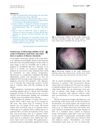
November 2016 in “Journal of The American Academy of Dermatology” Exclamation mark hairs suggest early scalp disease, while white dots indicate it's chronic.
27 citations
,
July 1983 in “Journal of Investigative Dermatology” October 2014 in “Microscopy” The method using ionic liquid improves observation of cell structures with less damage.
822 citations
,
January 2021 in “Genome biology” scMC effectively separates biological signals from technical noise in single-cell genomics data.
 November 2023 in “Experimental Dermatology”
 Exosomes from human hair follicle cells can improve aging hair follicle cell function and help regenerate hair follicles.
August 2022 in “Regenerative Medicine” Adipose-derived stem cells show promise for cosmetic treatments but need more research.
41 citations
,
April 2019 in “PLOS genetics” CD34+ and CD34- melanocyte stem cells have different regenerative abilities.
16 citations
,
February 2005 in “British journal of dermatology/British journal of dermatology, Supplement” Lack of Vitamin D receptor changes skin structure and increases certain immune cells in the skin.
11 citations
,
September 2019 in “The journal of investigative dermatology/Journal of investigative dermatology” A specific group of skin stem cells was found to help maintain hair follicle cells.
8 citations
,
June 2020 in “The journal of investigative dermatology/Journal of investigative dermatology” A boy's skin fragility and sparse hair were caused by a genetic mutation affecting skin cell adhesion.
 1 citations
,
January 2021
1 citations
,
January 2021 CD4+ skin cells may be precursors to basal cell carcinoma.