12 citations
,
May 2013 in “International Journal of Dermatology” Ethosomes improve black tea extract absorption in hair dye.
18 citations
,
January 1965 in “Stain Technology”  June 2026 in “Zenodo (CERN European Organization for Nuclear Research)”
 Herbal hair dye with Bhringraj is effective, safe, and eco-friendly.
12 citations
,
October 1947 in “Journal of the Society of Dyers and Colourists” Mercuric acetate makes wool unshrinkable by changing its elastic properties.
24 citations
,
January 2001 in “International Journal of Cancer” Permanent hair dye use may increase bladder cancer risk, especially in female smokers with certain genetic traits.
August 2013 in “Toxicology letters”  March 2026 in “International Journal of Science and Research Archive”
 Hair coloring in 2026 requires precise science and safe techniques.
 May 2026 in “International Journal of Research Publication and Reviews”
 The polyherbal hair dye is a safe, effective, and eco-friendly alternative to synthetic dyes.
13 citations
,
February 2008 The new natural sindoor is safe, non-toxic, and eco-friendly.
 17 citations
,
August 1979 in “Journal of The American Academy of Dermatology”
17 citations
,
August 1979 in “Journal of The American Academy of Dermatology” A new staining method helps tell growing from resting hairs to diagnose hair loss.
Bleaching hair twice makes it very dry and weak.
 February 2026 in “American Scientific Research Journal for Engineering, Technology, and Sciences (Global Society of Scientific Research and Researchers)”
 Gray hair requires special coloring techniques and care to maintain quality and strength.
17 citations
,
January 2015 in “Pharmacognosy Research” A herbal mix, especially with Jatamansi, effectively darkens gray hair.
January 2014 in “한국미용학회지” UV-A radiation significantly damages semi-permanent dyed hair.
1 citations
,
August 1999 in “ACS symposium series” Polymer JR400 sticks to hair but washes off with detergent.
 August 2022 in “Contact dermatitis”
 Severe allergic reactions to hair dye can trigger hair loss and may be linked to multiple sclerosis.
6 citations
,
January 2016 in “Indian Journal of Dermatology Venereology and Leprology” Most hair dyes can cause allergic reactions, so test before use.
 March 2026 in “Indian Dermatology Online Journal”
 Hair dye ingredient PPD can cause severe allergic reactions, including facial swelling.
 6 citations
,
March 1998 in “Textile Research Journal”
6 citations
,
March 1998 in “Textile Research Journal” Chemical treatments can change the scale heights of wool and cashmere fibers, affecting their identification.
 4 citations
,
June 2020 in “JAAD case reports”
4 citations
,
June 2020 in “JAAD case reports” Permanent hair dye may cause total hair loss.
 3 citations
,
January 2004 in “Sen i Gakkaishi”
3 citations
,
January 2004 in “Sen i Gakkaishi” DTDG in hair treatments reduces damage and preserves hair structure.
 November 2025 in “Indian Journal of Nephrology”
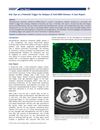
 Hair dye may trigger anti-GBM disease relapse, and rituximab can help manage it.
Camel hair textiles treated with Rose Bengal effectively kill bacteria under light.
February 2022 in “Cosmetic Dermatology” Permanent hair waving uses chemicals to create long-lasting curls.
6 citations
,
March 2015 in “European Journal of Public Health” Long-term hair dye use may increase testosterone levels in women.
 4 citations
,
August 2014 in “Journal of molecular structure”
4 citations
,
August 2014 in “Journal of molecular structure” Chemical treatments on bleached black hair change its internal structure by breaking and reforming bonds, and treatments with hydrolyzed eggwhite protein help repair it.
 April 2026 in “Zenodo (CERN European Organization for Nuclear Research)”
 Natural hair dyes using plants like henna and indigo are safer and eco-friendly alternatives to synthetic dyes.
 April 2026 in “Zenodo (CERN European Organization for Nuclear Research)”
 Natural plant-based hair dyes are safer and eco-friendly alternatives to synthetic dyes.
2 citations
,
December 1988 in “PubMed” C.I. Acid Orange 3 caused cancer in female rats but not in male rats or mice.
January 2010 in “DR-NTU (Nanyang Technological University)” Hair coloring and chlorine change hair strength differently.