
Microneedle technology is effective for skin rejuvenation and enhancing cosmeceutical delivery, with ongoing innovation and increasing commercialization.

Proretinal nanoparticles are a safe and effective way to deliver retinal to the skin.
 January 2017 in “Research Portal (King's College London)”
 Mantel's family life affected her view of femininity and worsened her endometriosis.

Skin changes throughout life, from development before birth to aging effects like wrinkles, influenced by both genetics and environment.
 August 2010 in “The Journal of Dermatology”
 The document concludes that low-dose acne treatment is most suitable for moderate acne, with high patient satisfaction and low relapse rates.
1 citations
,
June 2025 in “Aesthetic Plastic Surgery” 9 citations
,
January 2023 in “Indian Dermatology Online Journal” Medical aesthetics now helps treat medical conditions, expanding options for dermatologists.
42 citations
,
July 2021 in “Frontiers in Cell and Developmental Biology” Oral mucosa heals with minimal scarring, offering insights for scarless wound healing.
35 citations
,
October 2019 in “Journal of pediatric health care” Children with darker skin tones can have specific skin conditions that need tailored treatments.
21 citations
,
May 2024 in “American Journal of Medical Genetics Part A” Myhre syndrome symptoms worsen over time, with specific genetic variants affecting severity.
4 citations
,
July 1979 in “Journal of the American Academy of Dermatology” The hair and oil glands react by changing structure when stressed.
May 2023 in “Asian Journal of Transfusion Science” Platelet-rich plasma helps treat hair loss, and better screening improves transfusion safety.
30 citations
,
November 2024 in “ACS Materials Au” Microneedles are promising for disease monitoring and drug delivery due to their minimal invasiveness and versatility.
28 citations
,
March 2019 in “Cellular Microbiology” Intravital microscopy helps us see how parasites interact with skin and fat in living animals.
17 citations
,
February 2023 in “Cosmetics” 3D printed hollow microneedles could effectively treat skin wrinkles with fewer side effects.
10 citations
,
February 2022 in “Pharmaceuticals” Smaller curcumin nanocrystals penetrate skin and hair follicles better than larger ones.
4 citations
,
June 2024 in “Journal of Cosmetic Dermatology” Fractional radiofrequency effectively and safely improves rosacea symptoms.
July 2025 in “Nano Research” Microneedles offer a promising, less invasive way to treat and monitor psoriasis.
April 2024 in “International journal of molecular sciences” Combination pharmacotherapy is generally more effective for treating keloids and hypertrophic scars.
 June 2026 in “Preprints.org”
 Atorvastatin in a keratin hydrogel may help treat skin scars effectively.
March 2023 in “Journal of Personalized Medicine” Functional nutrition evaluations can improve personalized wellness programs and help prevent chronic diseases.
 7 citations
,
November 2017 in “Cureus”
7 citations
,
November 2017 in “Cureus” Ear creases might indicate heart disease risk, needing more research.
7 citations
,
June 2001 in “PubMed” Pig ear skin is similar to human skin, making it useful for research, but it has some differences.
2 citations
,
January 2025 in “Development” BMP5 is essential for ear cartilage cell growth in rodents.
 77 citations
,
June 2007 in “PLoS ONE”
77 citations
,
June 2007 in “PLoS ONE” Birds can regenerate inner ear cells using specific gene pathways, unlike mammals.
 49 citations
,
May 2020 in “Journal of Clinical Investigation”
49 citations
,
May 2020 in “Journal of Clinical Investigation” Exosomes are crucial for protecting sensory hair cells in the inner ear.
 28 citations
,
January 2011 in “Hearing Research”
28 citations
,
January 2011 in “Hearing Research” Gene therapy, especially using atoh1, shows promise for creating functional sensory hair cells in the inner ear, but dosing and side effects need to be managed for clinical application.
18 citations
,
October 2016 in “European Journal of Pharmaceutics and Biopharmaceutics” The drug was successfully released into hair follicles using nanocarriers.
 15 citations
,
October 2020 in “European journal of pharmaceutics and biopharmaceutics”
15 citations
,
October 2020 in “European journal of pharmaceutics and biopharmaceutics” Caffeine penetrates skin quickly through open hair follicles, but less through closed ones, with levels becoming equal after 22 hours.
 13 citations
,
October 2015 in “Journal of the European Academy of Dermatology and Venereology”
13 citations
,
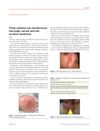
October 2015 in “Journal of the European Academy of Dermatology and Venereology” The document concludes that early recognition and appropriate treatment of red scalp, red ear, and red scrotum syndromes can lead to remission.