 1 citations
,
May 2022 in “IntechOpen eBooks”
1 citations
,
May 2022 in “IntechOpen eBooks” Obesity leads to physical, metabolic, reproductive issues, higher healthcare costs, and mental health problems.
May 2025 in “Clinical and Translational Allergy” Atopic dermatitis and alopecia areata have a major global socioeconomic impact, needing more research and better healthcare alignment.
1425 citations
,
September 2020 in “Open Biology” Better understanding of wound healing is needed to develop effective treatments for chronic wounds.
61 citations
,
March 2022 in “JEADV. Journal of the European Academy of Dermatology and Venereology/Journal of the European Academy of Dermatology and Venereology” About 43% of people in Europe have had a skin condition in the past year, with fungal infections, acne, and eczema being the most common.
29 citations
,
December 2022 in “Dermatology and Therapy” Emotional symptoms from alopecia areata reduce work productivity and daily activity.
3 citations
,
January 2025 in “JID Innovations” Hidradenitis suppurativa tunnels worsen the disease and often need surgery because current treatments are not very effective.
June 2026 in “Dove Medical Press (Taylor and Francis Group)” JAK inhibitors show promise for treating alopecia areata, but long-term safety and emotional support are important.
 February 2026 in “Journal of Thoracic Disease”
 Long COVID is a big health problem needing more research and better treatments.
September 2024 in “JEADV Clinical Practice” Alopecia areata significantly affects patients' lives, causing physical, psychological, social, and financial challenges.
75 citations
,
March 2023 in “JAMA Dermatology” Alopecia areata and its severe forms are becoming more common, especially among females, adults, and people in the Northeast.
 24 citations
,
December 2016 in “Psychiatric Clinics of North America”
24 citations
,
December 2016 in “Psychiatric Clinics of North America” Transgender women can develop feminine traits and improve their quality of life through hormone therapy and surgery, but results vary and access to surgery can be limited.
 9 citations
,
January 2020 in “Postepy Dermatologii I Alergologii”
9 citations
,
January 2020 in “Postepy Dermatologii I Alergologii” Frontal fibrosing alopecia is a poorly understood condition with increasing cases and unclear treatment effectiveness.
3 citations
,
September 2023 in “PeerJ Computer Science” A new method accurately measures college students' mental health by considering time perception and clustering techniques.
2 citations
,
October 2019 in “Nanomedicine” Pharmaceutical care in transplantation faces challenges but has promising future opportunities for better outcomes.
 1 citations
,
January 2023 in “Acta dermato-venereologica”
1 citations
,
January 2023 in “Acta dermato-venereologica” People with alopecia areata in German-speaking countries spend a lot on their condition, with hair products and treatments being the most costly.
1 citations
,
January 2018 in “Advances in cancer prevention” Preventing cancer involves lifestyle changes, vaccinations, early screening, and understanding cancer's molecular basis.
June 2026 in “Preprints.org” Alopecia areata care in Poland needs better guidelines, access to treatments, and psychological support.
 May 2026 in “Journal of Clinical Medicine”
 COVID-19 can cause long-lasting non-respiratory symptoms, especially in women.
November 2025 in “Journal of Natural Fibers” Human hair waste can be valuable in engineering and materials due to its unique properties.
 August 2025 in “Aesthetic Plastic Surgery”
 Collaboration and innovation are key to developing effective, safe hair loss treatments.

Hair can accurately predict iron levels in cattle muscle, helping diagnose mineral imbalances.
Certain genetic markers can help predict wool production in U.S. sheep.
 December 2023 in “Health economics and management review”
 Radiographers in private hospitals face many health issues due to heavy workloads and long hours.
 June 2026 in “Journal of health economics and outcomes research”
 Ritlecitinib is more effective and cheaper than baricitinib for treating severe alopecia areata.
3 citations
,
March 2023 in “Journal of Medical Economics” Middle-aged patients, those in the Northeast, with comprehensive insurance, extensive hair loss, or additional health issues, and young or older females face higher alopecia areata medical costs.
 June 2026 in “Journal of health economics and outcomes research”
 Ritlecitinib is more effective and cost-efficient than baricitinib for severe alopecia areata.
A coordinated approach combining medical, trichological, and visual support is needed to better manage hair loss.
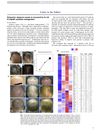 68 citations
,
November 2015 in “The Journal of Allergy and Clinical Immunology”
68 citations
,
November 2015 in “The Journal of Allergy and Clinical Immunology” Blocking IL-12/IL-23p40 helped reverse severe hair loss in patients.
Barbers trained in hair loss can better support and refer clients with alopecia.
 15 citations
,
January 2018 in “Annals of Dermatology”
15 citations
,
January 2018 in “Annals of Dermatology” Wigs significantly improve the well-being of people with severe hair loss.