 October 2022 in “Amplla Editora eBooks”
 Tocilizumab might be an effective treatment for COVID-19.
March 2026 in “Skin Appendage Disorders” Belatacept may be a promising treatment for alopecia areata.
 9 citations
,
October 2019 in “Dermatologic Therapy”
9 citations
,
October 2019 in “Dermatologic Therapy” Oral tofacitinib has a moderate success rate and is generally safe for treating hair loss in some patients.
3 citations
,
July 2025 in “International Immunopharmacology” 6 citations
,
January 2024 in “International Journal of Dermatology” Monoclonal antibodies are often linked to alopecia areata cases.
1 citations
,
January 2025 in “Dermatologic Therapy” Immune checkpoint inhibitors can increase the risk of autoimmune skin diseases, especially bullous pemphigoid.
 November 2023 in “Journal of cosmetic dermatology”
 The 595-nm pulsed dye laser effectively reduces symptoms of EFFC with minimal side effects.
4 citations
,
July 2023 in “Nature Medicine” The FDA approved a new Pfizer drug for hair loss in teens.
 February 2026 in “Frontiers in Immunology”
 Tralokinumab for atopic dermatitis may cause eye issues and skin reactions, needing careful monitoring.
 May 2025 in “Journal of Pharmacy And Bioallied Sciences”
 Tofacitinib effectively promotes hair regrowth in children with alopecia areata, but more research on long-term safety is needed.
 8 citations
,
June 2022 in “Frontiers in Medicine”
8 citations
,
June 2022 in “Frontiers in Medicine” Both individual and combined treatments of tofacitinib and corticosteroids can help regrow hair in moderate-to-severe alopecia areata, but ongoing treatment may be necessary.
5 citations
,
July 2024 in “Pediatric Dermatology” Dupilumab effectively reduces alopecia areata symptoms in children with atopic dermatitis.
 26 citations
,
March 2014 in “Rheumatology”
26 citations
,
March 2014 in “Rheumatology” Some drugs used to treat inflammation may cause hair loss.
April 2019 in “Journal of Investigative Dermatology” Targeting immune pathways like JAK/STAT may help treat frontal fibrosing alopecia.
29 citations
,
July 2019 in “Dermatologic Therapy” Dupilumab can both heal and cause hair loss.
June 2026 in “British Journal of Dermatology” Amivantamab treatment often causes skin issues that can affect quality of life and treatment continuation.
 3 citations
,
April 2016 in “Journal of Investigative Dermatology”
3 citations
,
April 2016 in “Journal of Investigative Dermatology” Tofacitinib, a JAK inhibitor, improved hair regrowth in most patients with severe alopecia areata and had minimal side effects.
 November 2025 in “Turkish Journal of Dermatology”
 Both baricitinib and tofacitinib effectively reduce alopecia areata severity, with tofacitinib showing more improvement over longer use.
 1 citations
,
September 2022 in “BioNanoScience”
1 citations
,
September 2022 in “BioNanoScience” Tofacitinib can help hair grow back in alopecia patients but hair loss might return if the dose is lowered.
12 citations
,
January 2016 in “Journal of clinical biochemistry and nutrition” Deferasirox combined with sorafenib reduces liver cancer risk and lessens treatment side effects.
1 citations
,
February 2025 in “Pediatric Dermatology” Tofacitinib helps hair regrow in some kids with severe alopecia areata, but more research is needed on long-term effects.
 June 2022 in “C&EN global enterprise”
 The drug Olumiant is now approved to treat severe hair loss from alopecia and can also be used for some hospitalized COVID-19 patients.
November 2024 in “Dermatology Online Journal” Dupilumab may help treat alopecia areata, but more research is needed.
 2 citations
,
September 2021 in “Curēus”
2 citations
,
September 2021 in “Curēus” Tofacitinib may be safe for COVID-19 patients with alopecia without worsening symptoms, based on two cases.
 10 citations
,
August 2016 in “Oxford Medical Case Reports”
10 citations
,
August 2016 in “Oxford Medical Case Reports” Tocilizumab therapy may cause skin and hair conditions like halo naevi, vitiligo, and alopecia areata.
Antifungal treatment reduced asthma exacerbations and corticosteroid use but its overall benefit is unclear.
 4 citations
,
September 2018 in “The Journal of Dermatology”
4 citations
,
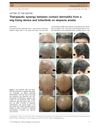
September 2018 in “The Journal of Dermatology” A man's hair regrew from alopecia areata after using tofacitinib and experiencing contact dermatitis from a wig device.
 September 2022 in “Journal of the American Academy of Dermatology”
 The registry showed that tofacitinib is promising for treating hair loss in children with alopecia areata, but more research is needed.
 August 2025 in “Scientific Electronic library online (Sciences Carlos III Health Institute)”
 Tofacitinib can help regrow hair in about 50% of people with moderate-severe alopecia areata.
2 citations
,
January 2023 in “SAGE Open Medical Case Reports” Stopping leflunomide healed the woman's skin ulcers.