7 citations
,
August 2023 in “Frontiers in Immunology” Targeting TRP channels may help reduce excessive scarring.
 6 citations
,
September 2012 in “Our Dermatology Online”
6 citations
,
September 2012 in “Our Dermatology Online” Retinoids are effective for various skin conditions and hair loss but have serious side effects, so low doses are recommended.
5 citations
,
August 2025 in “Biomedicines” Early detection and multidisciplinary management of skin and mouth side effects from breast cancer treatments improve patient outcomes.
 5 citations
,
December 2022 in “Toxins”
5 citations
,
December 2022 in “Toxins” Neurotoxins can affect neurotransmitter release and have potential in treating muscle, pain, and cancer conditions, but more research is needed on how they work.
4 citations
,
September 2025 in “International Journal of Molecular Sciences” EGCG in green tea benefits skin, hair, cancer treatment, weight loss, diabetes, heart, and brain health.
 3 citations
,
October 2023 in “Military Medical Research/Military medical research”
3 citations
,
October 2023 in “Military Medical Research/Military medical research” Regulatory T cells help heal skin and grow hair, and their absence can lead to healing issues and hair loss.
2 citations
,
September 2025 in “Journal of Clinical Medicine” Small extracellular vesicles can help diagnose and manage sepsis.
2 citations
,
May 2023 in “Biology” New mouse models of Pemphigus show severe symptoms and need better treatments.
1 citations
,
November 2025 in “Molecules” Ellagic acid can help treat skin issues, but its effectiveness is limited by poor absorption, so new delivery methods are being explored.
1 citations
,
October 2025 in “International Journal of Molecular Sciences” Natural compounds may help treat advanced papillary thyroid cancer by targeting specific molecular pathways.
1 citations
,
January 2025 in “Archives of Dermatological Research” Higher levels of IL-1R1 and hsa-miR-19b-3p may help diagnose and predict alopecia areata severity.
 1 citations
,
February 2023 in “International Journal of Molecular Sciences”
1 citations
,
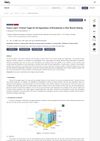
February 2023 in “International Journal of Molecular Sciences” The fascial layer is a promising new target for wound healing treatments using biomaterials.
 June 2026 in “International Journal of Molecular Sciences”
 Targeting the Warburg effect in anaplastic thyroid carcinoma may reduce tumor growth and improve treatment.
 April 2026 in “Cosmetics”
 Astragalus plants may improve skin health and have anti-aging benefits.
 April 2026 in “International Journal of Molecular Sciences”
 Targeting non-Smad pathways in TGF-β signaling may improve keloid treatment.
 March 2026 in “International Journal of Molecular Sciences”
 Understanding monosaccharide composition can improve the development of effective medicinal plant polysaccharides.
 February 2026 in “International Journal of Molecular Sciences”
 Extracellular vesicles show promise for medical use but face challenges in standardization and safety.
December 2025 in “Pharmaceutics” Personalized skin rejuvenation using genomics shows promise but needs more research.
 November 2025 in “Frontiers in Pharmacology”
 Xiaozhi Yufa decoction may help treat hair loss by improving hair growth and reducing inflammation.
November 2025 in “Preprints.org” Monosaccharide composition in plant polysaccharides significantly affects their biological activities and therapeutic potential.
October 2025 in “Burns & Trauma” Engineered probiotics can help heal wounds faster, especially in diabetic foot ulcers.
July 2025 in “PNAS Nexus” A new tool accurately identifies human cornea cell states and key factors.
Recombinant type XVII collagen may help regrow hair by activating specific cell pathways.
 April 2025 in “Nutrients”
 Consult an oncologist before using supplements for hair loss during breast cancer treatment.
 January 2025 in “Cellular & Molecular Biology Letters”
 Eicosanoids are crucial for skin health, and targeting their pathways may help treat skin conditions.
 January 2025 in “Cosmetics”
 Astragalus sinicus extracts may help promote hair growth and treat hair loss.
January 2025 in “Health engineering.” Combining stem cells and organoids could improve skin regeneration treatments.
December 2023 in “International journal of molecular sciences” Chromosomal differences affect how muscle cells respond to testosterone.
908 citations
,
July 2015 in “British Journal of Dermatology” Acute wounds heal well, but chronic wounds struggle due to ongoing inflammation and poor tissue repair.
37 citations
,
August 2024 in “Current Issues in Molecular Biology” Keratins 6, 16, and 17 increase in damaged or diseased skin and may help diagnose skin issues.