 September 2003 in “Current Paediatrics”
 The document concludes that accurate diagnosis and understanding the type of hair disorder are crucial for treating hair loss in children.
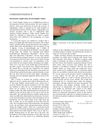 May 2002 in “British Journal of Dermatology”
 A pregnant woman's skin condition improved after giving birth, possibly due to high estrogen levels during pregnancy.
 August 2001 in “Veterinary Dermatology”
 The meeting presented findings on effective treatments for various pet skin conditions and insights into the immune responses of dogs with atopic dermatitis.
 January 1992 in “Side effects of drugs annual”
 Some people have severe allergic reactions to anthelminthic drugs, but these are often due to the parasites, not the drugs.
The document listed medical job ads and guidelines for breast cancer screening.
 April 1955 in “Archives of pediatrics & adolescent medicine”
 Children's skin diseases need special care and treatment.
 June 1930 in “Archives of dermatology”
 Dermatological conditions are complex, and treatments have mixed results.
 May 2026 in “Scientific Reports”
 Sr and Cu ions in borosilicate glasses improve strength, bone integration, and fight bacteria, making them good for orthopedic implants.
 April 2026 in “npj Regenerative Medicine”
 Melanocyte stem cells in hair follicles are key to understanding and potentially preventing hair graying.
 January 2026 in “Microsystems & Nanoengineering”
 Research on silica-based nanobiomaterials for tissue regeneration is rapidly growing, with China leading in volume and the U.S. excelling in impact.
 September 2025 in “Medical Materials Research”
 Microneedles offer a painless, precise, and versatile method for drug delivery and disease treatment.
 August 2025 in “International Journal of Research in Dermatology”
 Better standardization and transparency in statistical reporting are needed to improve hair care research quality.
 January 2025 in “Bright Sky Publications eBooks”
 Aesthetic medicine is rapidly advancing with new technologies for safer, personalized, and less invasive treatments.
 July 2024 in “International Journal of Pharmacognosy and Life Science”
 An herbal hair serum with natural ingredients can help reduce hair loss and improve hair health.

Fetal environments contain various chemicals that may disrupt hormones.
 March 2023 in “International Journal of Advanced Research in Science, Communication and Technology”
 Various medicinal plants like Polygonum multiflorum, Red ginseng extract, and Zizyphus jujuba can potentially treat hair loss, offering benefits like low cost and multiple ways of working. Other effective natural substances include Pygeum africanum, Seneroa, Urtica dioica, and more.
 July 2020 in “Environmental Science and Pollution Research”
 Finasteride harms invertebrates' survival and burial ability.
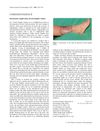 May 2002 in “British Journal of Dermatology”
 Hair loss caused by longer latent hair cycle and sudden miniaturization, not gradual follicle size reduction.
1 citations
,
September 2023 in “Laboratornye Zhivotnye dlya nauchnych issledovanii (Laboratory Animals for Science)” Avian yolk antibodies offer a promising, ethical alternative for disease prevention and therapy.
 December 2013 in “Iranian Journal of Applied Animal Science”
 Adding bentonite clays to goat diets increased milk yield, periwinkle shell improved chicken egg production, and vaccination increased muscle area and carcass yield in calves.
62 citations
,
December 1941 in “Experimental biology and medicine” Eating phenylthiocarbamide made all the rats' hair go gray, but some returned to their original color after stopping.
9 citations
,
February 2007 in “JAMA” PCOS is a common inherited condition causing cysts, irregular periods, and increased diabetes risk in women.
8 citations
,
February 2017 in “International journal of molecular sciences” Mollusc egg extract helps skin and hair cells grow and heal.
Pets can have food allergies causing itching and skin issues, needing a special diet for diagnosis.
 July 2023 in “CRC Press eBooks”
 PCOS is a hormonal disorder in women with no cure, managed by medication and lifestyle changes.
 22 citations
,
June 2017 in “Advances in Clinical and Experimental Medicine”
22 citations
,
June 2017 in “Advances in Clinical and Experimental Medicine” Polycystic ovary syndrome (PCOS) was first described in 1721, officially diagnosed in the 1990s, and is now known to be partly genetic and linked to insulin resistance, with increased risk of cardiovascular disease and carbohydrate metabolism issues.
17 citations
,
August 2003 in “Ultrasound in Obstetrics and Gynecology” Ultrasound and Doppler analysis are valuable tools for diagnosing and understanding polycystic ovary syndrome.
6 citations
,
July 1994 in “Journal of Dermatological Science” Introducing the rat OTC gene normalized hair growth in SPF-ASH mice.
1 citations
,
September 2024 in “Veterinary Medicine and Science” Afoxolaner effectively treats mange in guinea pigs with one dose.