 11 citations
,
August 2018 in “Facial Plastic Surgery Clinics of North America”
11 citations
,
August 2018 in “Facial Plastic Surgery Clinics of North America” Adipose-derived stem cells show potential for skin rejuvenation and wound healing but require more research to overcome challenges and ensure safety.
 June 2026 in “Discover Immunity.”
 Mesenchymal stem cells help improve skin healing and rejuvenation.

PlacMA hydrogels from human placenta are versatile and useful for cell culture and tissue engineering.
 4 citations
,
October 2025 in “International Journal of Medical Sciences”
4 citations
,
October 2025 in “International Journal of Medical Sciences” Tripeptides help heal wounds and regenerate skin by speeding up tissue repair and reducing inflammation.
 September 2019 in “University of Huddersfield Repository (University of Huddersfield)”
 Nanoemulsions can effectively deliver antiseptic agents deep into the skin.
 2 citations
,
November 2023 in “International Journal for Research in Applied Science and Engineering Technology”
2 citations
,
November 2023 in “International Journal for Research in Applied Science and Engineering Technology” Nanofibers help heal burns effectively by improving skin restoration and reducing scars.
 51 citations
,
August 2013 in “Journal of Investigative Dermatology”
51 citations
,
August 2013 in “Journal of Investigative Dermatology” Human skin cells can create new hair follicles when transplanted into mice.
 1 citations
,
January 2019 in “Elsevier eBooks”
1 citations
,
January 2019 in “Elsevier eBooks” New scaffold materials help heal severe skin wounds and improve skin regeneration.
 30 citations
,
February 2022 in “Stem Cell Reviews and Reports”
30 citations
,
February 2022 in “Stem Cell Reviews and Reports” Stem cell treatments may improve burn wound healing.
 1160 citations
,
November 2018 in “Physiological Reviews”
1160 citations
,
November 2018 in “Physiological Reviews” The document concludes that better targeted treatments are needed for wound healing, and single-cell technologies may improve cell-based therapies.
 70 citations
,
August 2020 in “Nanomaterials”
70 citations
,
August 2020 in “Nanomaterials” Electrospun nanofibers show promise for enhancing blood vessel growth in tissue engineering but need further research to improve their effectiveness.
 October 2023 in “Biomedical science and engineering”
 Innovative methods are reducing animal testing and improving biomedical research.
 22 citations
,
March 2020 in “Cosmetics”
22 citations
,
March 2020 in “Cosmetics” Nanotechnology improves minoxidil treatment for hair loss.
 21 citations
,
November 2020 in “Chemical Engineering Journal”
21 citations
,
November 2020 in “Chemical Engineering Journal” The hydrogel with silver and mangiferin helps heal wounds by killing bacteria and aiding skin and tissue repair.
 May 2026 in “Organoid Research”
 Hydrogel-based hair follicle organoids could help treat hair loss and improve drug testing.
 2 citations
,
December 2022 in “PÄDI Boletín Científico de Ciencias Básicas e Ingenierías del ICBI”
2 citations
,
December 2022 in “PÄDI Boletín Científico de Ciencias Básicas e Ingenierías del ICBI” Bioceramic and biopolymer composites are promising for advanced wound care, promoting healing and cell growth.
 5 citations
,
August 2025 in “Drug Delivery and Translational Research”
5 citations
,
August 2025 in “Drug Delivery and Translational Research” Lipid-polymer hybrid nanoparticles show promise for skin treatments but need better formulation strategies.
 November 2024 in “International Journal of Research and Review”
 Nanotechnology improves cosmetics by enhancing ingredient delivery and effectiveness.
 8 citations
,
May 2017 in “IUBMB life”
8 citations
,
May 2017 in “IUBMB life” Astrotactin proteins are important for brain and skin development and are linked to several neurodevelopmental disorders.
 January 2012 in “Elsevier eBooks”
 New treatments for skin and hair repair show promise, but further improvements are needed.
 1 citations
,
October 2025 in “Nano Research”
1 citations
,
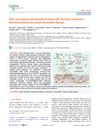
October 2025 in “Nano Research” A new microneedle patch effectively treats atopic dermatitis by reducing skin stress and restoring immune balance.
12 citations
,
December 2010 in “Burns” P-auricular skin is the best donor site for high stem cell content in keratinocyte cultures.
78 citations
,
February 2024 in “ACS Omega” The scaffold is a promising material for wound healing and tissue engineering.
 December 2023 in “Regenerative therapy”
 miRNA-based therapies show promise for treating skin diseases, including hair loss, in animals.
38 citations
,
June 2016 in “Journal of Tissue Engineering and Regenerative Medicine” Microcolumn grafting can effectively regenerate full-thickness, functional skin without scarring.
 67 citations
,
May 2014 in “International Journal of Molecular Sciences”
67 citations
,
May 2014 in “International Journal of Molecular Sciences” Using your own skin cells can help repair aging skin and promote hair growth.
9 citations
,
October 2024 in “Burns & Trauma” Air-liquid interface culture improves hair follicle development in skin organoids.

The new biomimetic skin heals wounds faster and better than traditional treatments, without scarring.
 February 2026 in “International Journal of Molecular Sciences”
 3D human skin models show promise for dermatology but face challenges in standardization and cost.
156 citations
,
March 2022 in “Exploration” Bioactive inorganic particles-based biomaterials show promise for improving skin wound healing.