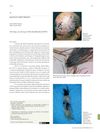
January 2011 in “The Chinese Journal of Dermatovenereology” The woman's skin condition improved with specific oral and topical treatments.
 2 citations
,
February 2019 in “Anais brasileiros de dermatologia/Anais Brasileiros de Dermatologia”
2 citations
,
February 2019 in “Anais brasileiros de dermatologia/Anais Brasileiros de Dermatologia” Tufted folliculitis is common in patients with folliculitis decalvans.
August 2019 in “Journal of the American Academy of Dermatology” Frontal fibrosing alopecia may be caused by an autoimmune reaction and hormonal imbalance.
31 citations
,
January 2016 in “Skin Appendage Disorders” Frontal fibrosing alopecia and vitiligo might be linked, not just coincidental.
April 2019 in “Journal of Investigative Dermatology” Frontal Fibrosing Alopecia involves disrupted cholesterol pathways, fibrosis, and increased mast cells.
 August 2018 in “Pediatric Dermatology”
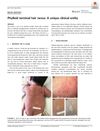
 A baby had a unique skin condition with a pale patch and surrounding dark hairs, not linked to other health issues.
 30 citations
,
December 2017 in “Journal of The American Academy of Dermatology”
30 citations
,
December 2017 in “Journal of The American Academy of Dermatology” New criteria for diagnosing frontal fibrosing alopecia include specific scalp and eyebrow hair loss as major factors and other hair loss areas and hair analysis as minor factors.
 February 2025 in “PubMed”
 Thorough scalp exams are crucial for diagnosing hair loss conditions in people with skin of color.
November 2022 in “Indian Journal of Dermatology” Azole antifungals can cause skin reactions like EAC, requiring careful management.
 179 citations
,
December 2004 in “Journal of The American Academy of Dermatology”
179 citations
,
December 2004 in “Journal of The American Academy of Dermatology” Some postmenopausal women with frontal fibrosing alopecia stopped losing hair with finasteride treatment, hinting at a possible hormonal cause.
 November 2023 in “Indian Journal of Dermatology”
 The study found that Frontal Fibrosing Alopecia in North-East India mainly affects middle-aged women and is often associated with lichen planus pigmentosus.
January 1982 in “Clinical Cosmetic and Investigational Dermatology” Familial dyskeratotic comedones are a rare, inherited skin condition that is hard to treat but may improve slightly with topical retinoids and urea cream.
August 2025 in “Cosmetics” Cosmeceuticals like sunscreens may trigger frontal fibrosing alopecia, but more research is needed.
5 citations
,
April 2019 in “DOAJ (DOAJ: Directory of Open Access Journals)” Stopping shaving or removing hair follicles usually resolves Pseudofolliculitis barbae.
 July 2015 in “Journal of the Dermatology Nurses’ Association”
 A 66-year-old woman experienced hair loss due to Frontal Fibrosing Alopecia, a condition with no consistently effective treatment, but it usually stabilizes over time. More research is needed for better understanding and treatment options.
20 citations
,
February 2015 in “Anais brasileiros de dermatologia/Anais Brasileiros de Dermatologia” A 6-year-old girl was diagnosed with a rare hair disorder and started treatment with topical minoxidil.
 September 2021 in “CRC Press eBooks”
 Fibrosing alopecia in a pattern distribution is a type of hair loss that may often be overlooked, especially in men.
 November 2022 in “Research Square (Research Square)”
 Using facial sunscreen and moisturizer may increase the risk of frontal fibrosing alopecia.
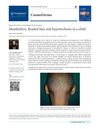 January 2026 in “Cosmoderma”
 A 9-year-old girl has a rare hair disorder causing beaded, sparse hair.
1 citations
,
April 2016 in “Journal of the American Academy of Dermatology” Autoimmune conditions can be linked to trichoepitheliomas, with treatment focusing on cosmetic concerns.
 September 2024 in “Journal of Medical Case Reports”
 People with keratosis pilaris might be more likely to get a rare type of tinea versicolor.
October 2024 in “Benha Journal of Applied Sciences” Frontal fibrosing alopecia is a complex condition with no definitive treatment.
 January 2026 in “Figshare”
 Finasteride can cause melasma, especially in people with darker skin.
2 citations
,
September 2021 in “Anais Brasileiros de Dermatologia” Increased sunscreen use may be linked to frontal fibrosing alopecia in Hispanic females.
 38 citations
,
January 2019 in “International Journal of Women's Dermatology”
38 citations
,
January 2019 in “International Journal of Women's Dermatology” The document concluded that more research is needed to find the best treatment for Frontal fibrosing alopecia.
2 citations
,
August 2025 in “JAAD reviews.” Frontal fibrosing alopecia significantly affects men, often causing hair loss in eyebrows, beard, and sideburns.
 26 citations
,
October 2018 in “British Journal of Dermatology”
26 citations
,
October 2018 in “British Journal of Dermatology” Regular use of sunscreen may be linked to frontal fibrosing alopecia.
June 2020 in “International Journal of Women’s Dermatology” Early diagnosis and treatment of frontal fibrosing alopecia are crucial for preserving hair and reducing inflammation.
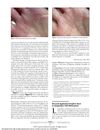 9 citations
,
May 2013 in “JAMA Dermatology”
9 citations
,
May 2013 in “JAMA Dermatology” Sunlight exposure improved a patient's skin condition, and there may be a link between a certain disease and skin growths; a leukemia treatment caused changes in hair color and growth.
November 2024 in “Journal of Investigative Dermatology”