 1 citations
,
June 2021 in “Case reports in gastrointestinal medicine”
1 citations
,
June 2021 in “Case reports in gastrointestinal medicine” Using camphorated and mentholated chlorophenol in dental treatments can lead to severe gastrointestinal issues and hair and nail loss.
 October 2025 in “Advanced Healthcare Materials”
 The hydrogels improve wound healing and tissue regeneration better than traditional treatments.
 7 citations
,
January 2023 in “ACS Applied Materials & Interfaces”
7 citations
,
January 2023 in “ACS Applied Materials & Interfaces” Probiotic-coated silk/alginate scaffolds help heal wounds faster and with less scarring.
9 citations
,
March 2022 in “Military Medical Research” Small molecules can help turn skin cells into sweat gland-like cells for potential skin repair.
1 citations
,
November 2024 in “Pathogens” Lung microbiome research is growing, focusing more on specific mechanisms and clinical uses.
138 citations
,
December 1976 in “Journal of Biological Chemistry” The enzyme from human skin can cross-link proteins and needs calcium to work.
December 1998 in “福井大学教育学部紀要 第4部 教育科学” HA-P5 effectively treats acne without causing side effects seen in other treatments.
5 citations
,
July 2017 in “Molecular Medicine Reports” Lygodium japonicum spores can reduce inflammation by blocking certain cell signals.
August 2015 in “Bangladesh Journal of Pharmacology” Eclipta alba has a genome size of 4.27 billion base pairs, and Aloe barbadensis has 4.42 billion base pairs.
 6 citations
,
September 2022 in “Frontiers in pharmacology”
6 citations
,
September 2022 in “Frontiers in pharmacology” Epimedium extract helps increase skin pigmentation and could be a new treatment for conditions with reduced pigmentation.
 June 2026 in “Gümüşhane Üniversitesi Fen Bilimleri Enstitüsü Dergisi”
 PVA/agar films with Achillea millefolium essential oil are promising for wound dressings due to good strength and selective antibacterial effects.
 1 citations
,
August 2024 in “Polymers”
1 citations
,
August 2024 in “Polymers” Bacterial cellulose is a promising material for biomedical uses but needs improvements in antimicrobial properties and degradation rate.
4 citations
,
March 2023 in “Cancer Innovation” Flexible bioelectronics show promise in non-invasive cancer detection and treatment but need improvements in stability and effectiveness.
 1 citations
,
April 2019 in “Journal of Investigative Dermatology”
1 citations
,
April 2019 in “Journal of Investigative Dermatology” VB1953 gel significantly reduced acne and resistant bacteria in patients who didn't respond to clindamycin.
 17 citations
,
January 2009 in “Nippon Ishinkin Gakkai Zasshi”
17 citations
,
January 2009 in “Nippon Ishinkin Gakkai Zasshi” A 10-year-old boy recovered from a scalp infection caused by a fungus after treatment with itraconazole.
11 citations
,
January 1996 in “PubMed” Imaging living plant cells shows dynamic changes in actin and endoplasmic reticulum linked to root hair growth.
EGF helps goat hair stem cells grow best at 15 ng/mL.
72 citations
,
July 2022 in “Frontiers in Systems Biology” Modern lifestyles harm beneficial microbes, affecting health.
 May 2017 in “bioRxiv (Cold Spring Harbor Laboratory)”
 The peach gene pCTG134 helps control the interaction between auxin and ethylene hormones during fruit ripening.
 April 2018 in “Journal of Investigative Dermatology”
 CENPV, a new partner of CYLD, helps regulate ciliary acetylated tubulin and is overexpressed in certain skin tumors.
February 2026 in “Contact Dermatitis” Avoiding exposure to certain grasses can prevent skin allergies, highlighting the importance of proper sanitation.
 March 2022 in “Indonesian Journal of Chemistry”
 Curcuma aeruginosa has various chemical components and health benefits.
5 citations
,
October 2023 in “Forests” Ginkgo biloba has high genetic diversity, useful for future breeding.
 July 2021 in “Journal of dermatology research and therapy”
 Using combined treatments can help manage acne by targeting the bacteria and skin changes that cause it.
August 2023 in “Fermentation” Scientists can use engineered microbes to make L-aspartate and related chemicals, but there's still room to improve their efficiency.
August 2004 in “Veterinary Dermatology” A Brittany spaniel's skin issues from cephalexin improved with treatment, showing drug-induced pemphigus foliaceus.
4 citations
,
August 2025 in “Plant Cell & Environment” Azospirillum brasilense promotes root hair growth in Arabidopsis by increasing auxin and activating specific genes.
 January 2025 in “International Journal of Pharmaceutical Research and Applications”
 Hibiscus mucilage is an effective gelling agent for diclofenac diethylamine gel.
 January 2025 in “Investigative and Clinical Urology”
 SHPro® improved urinary symptoms and erectile function in men and is safe.
 19 citations
,
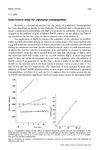
November 1971 in “Clinica Chimica Acta”
19 citations
,
November 1971 in “Clinica Chimica Acta” The document concludes that measuring γ-glutamyl transpeptidase activity is more accurate with a higher substrate concentration and using diluted acetic acid to stop the reaction.